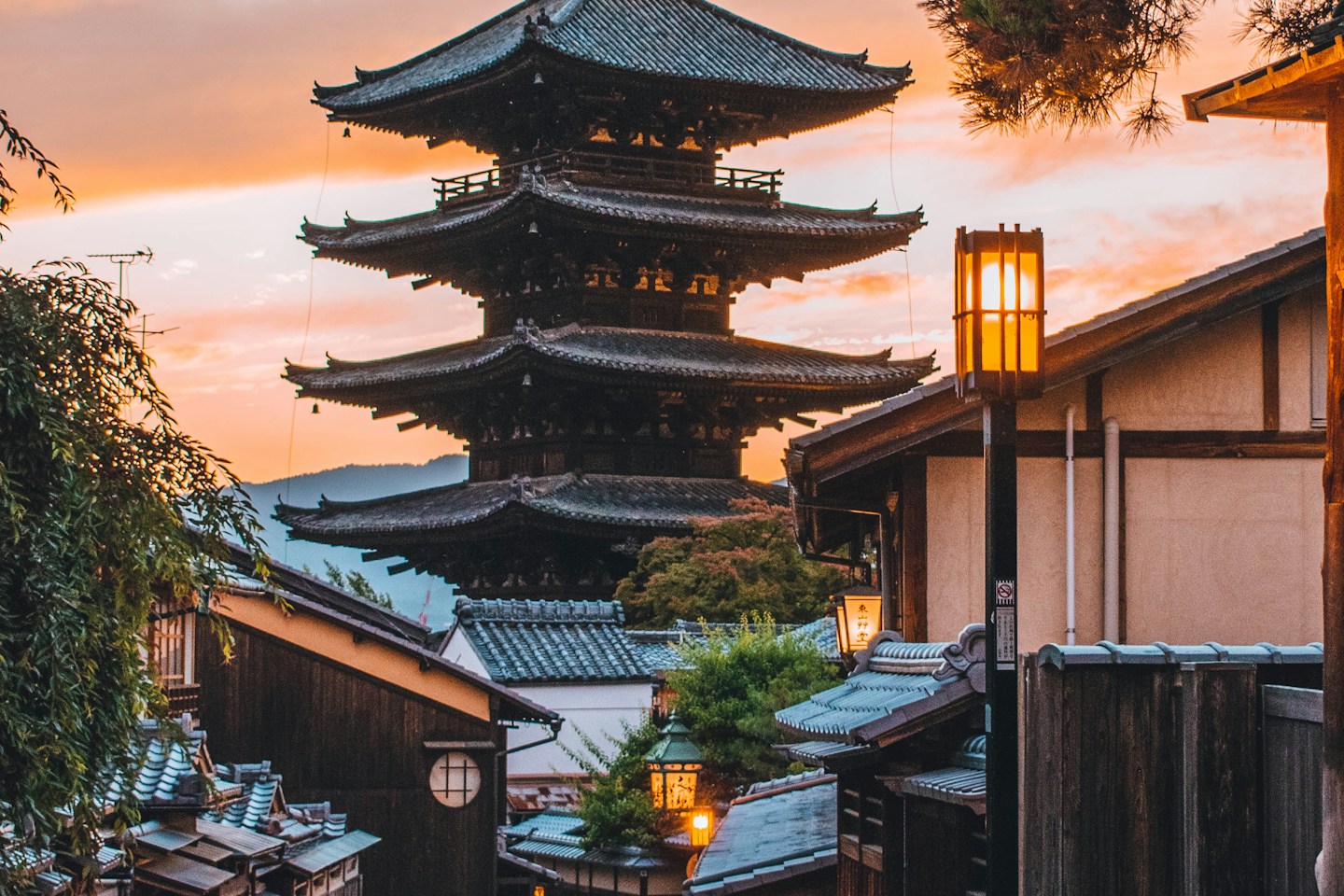
Kyoto, one neighborhood at a time
A quieter Kyoto begins along the Kamo River rather than in a queue. Build a visit around small areas, then let a few important temples give each day its shape.
Fifty stories for a more thoughtful way to travel. Explore the complete Xiangyunxs journal.
A quieter Kyoto begins along the Kamo River rather than in a queue. Build a visit around small areas, then let a few important temples give each day its shape.
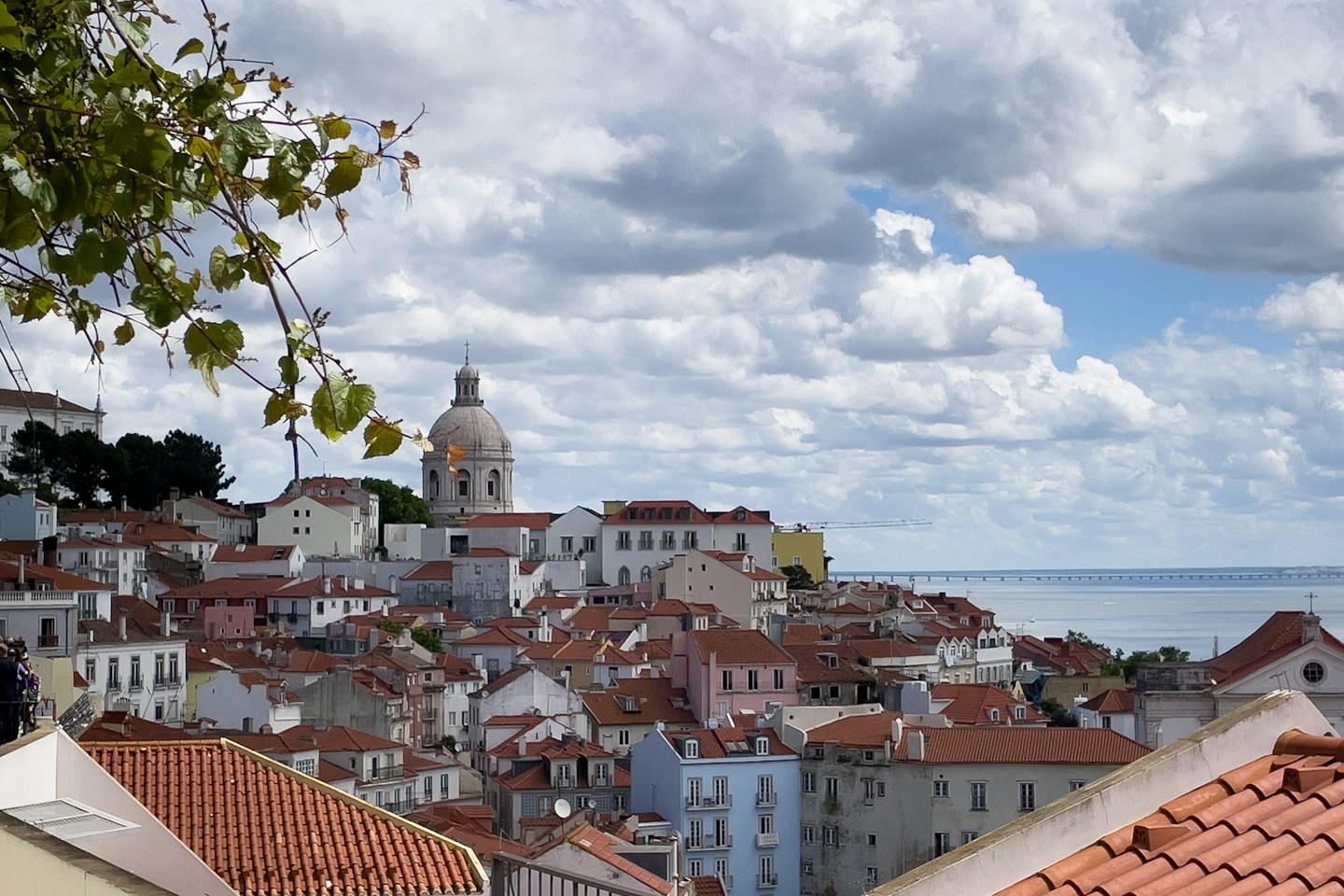
Lisbon makes more sense when you plan around its hills. Pair a waterfront stretch with a single upper neighborhood and leave enough energy for the walk home.
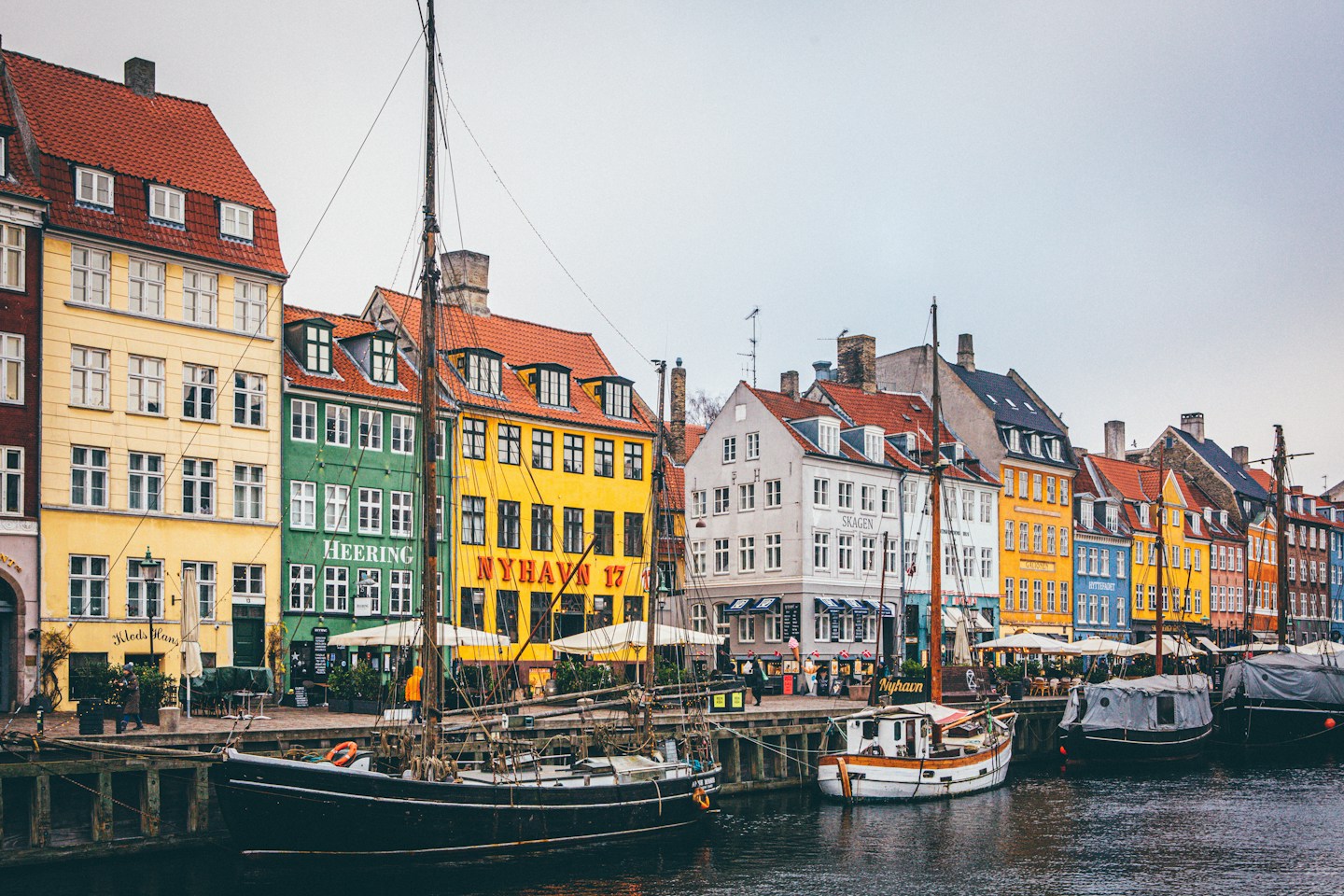
Copenhagen’s waterfront connects quite different kinds of city life. Use it as a thread between old harbor streets, contemporary architecture and unhurried neighborhood meals.
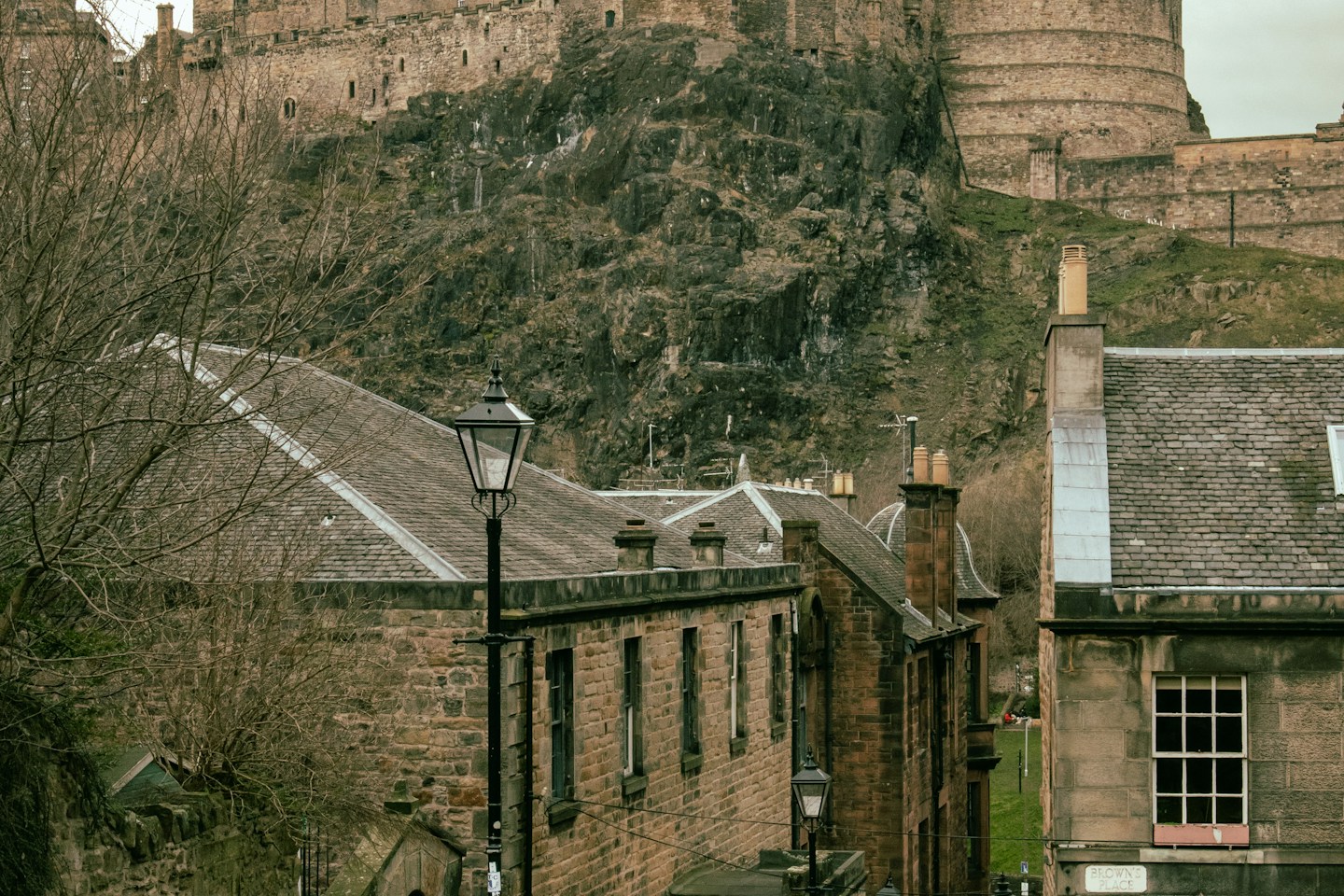
Edinburgh is a compact city with surprisingly demanding changes in level. Read it through its ridges and gardens, then choose a few places to explore in depth.
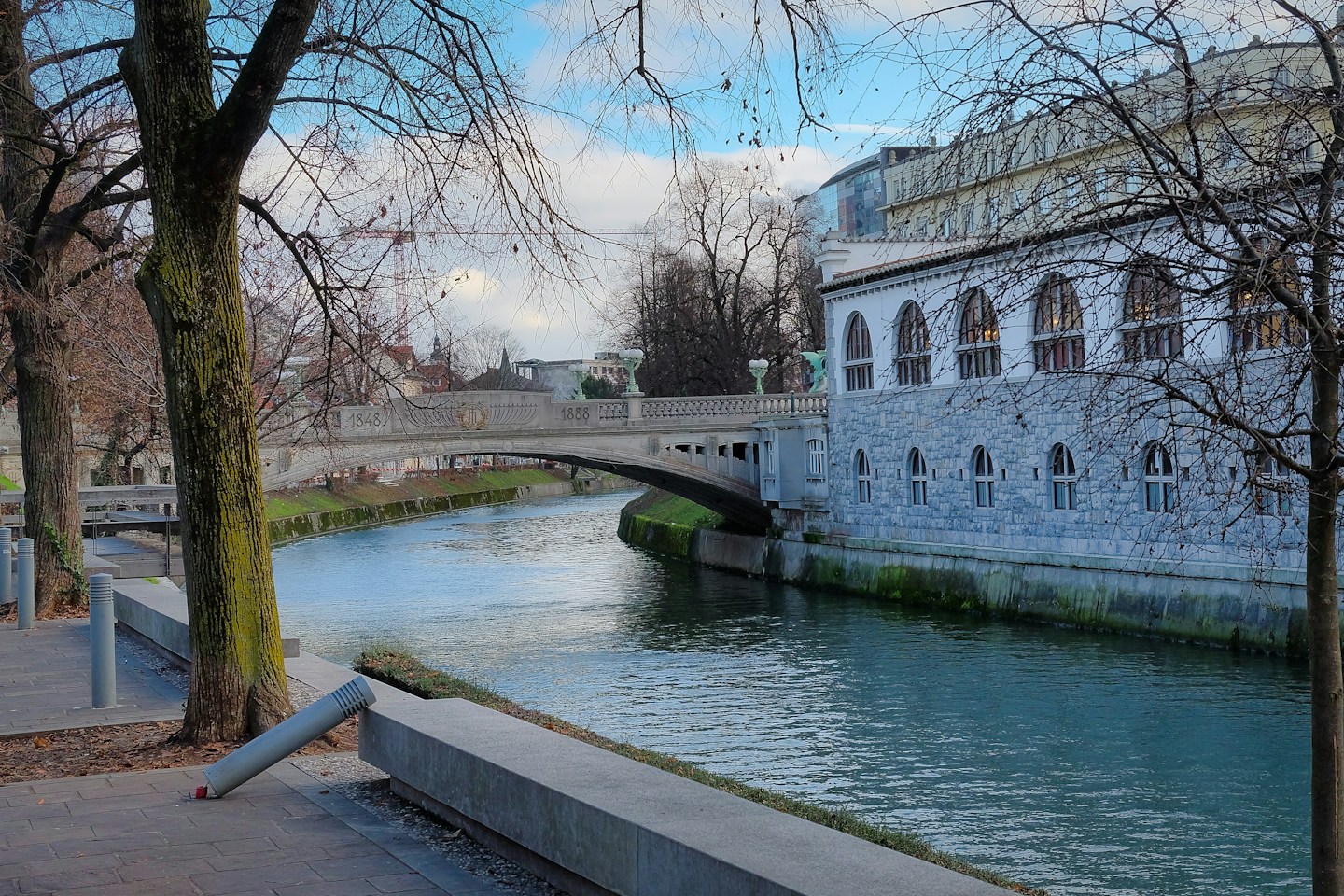
Ljubljana suits a visit measured in short walks and long pauses. Its riverfront gives a clear starting point, while the castle hill helps explain the city’s geography.
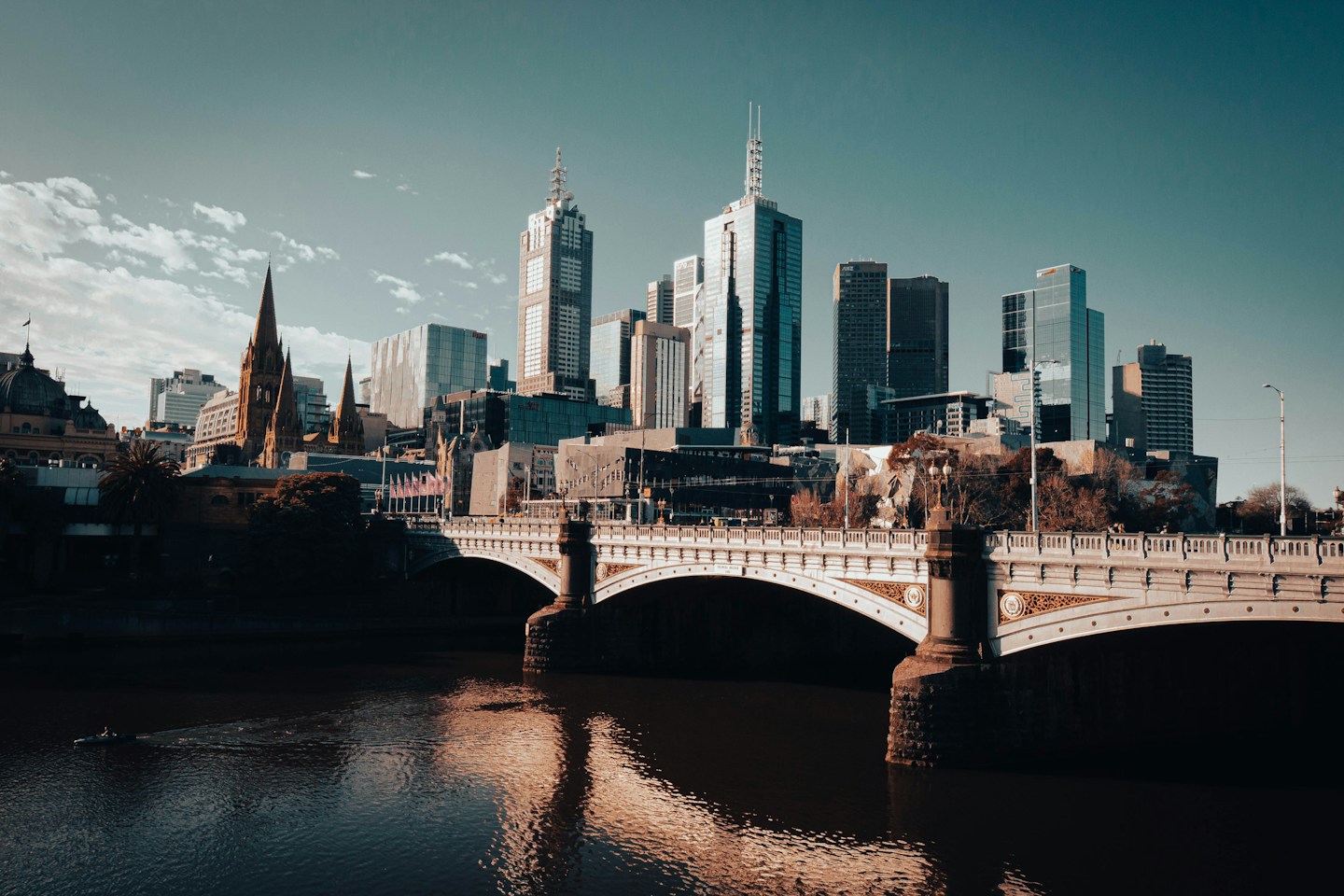
Melbourne rewards an itinerary organized around neighborhoods and weather rather than a checklist. Let one laneway walk open into a gallery, a market and an afternoon outside the center.
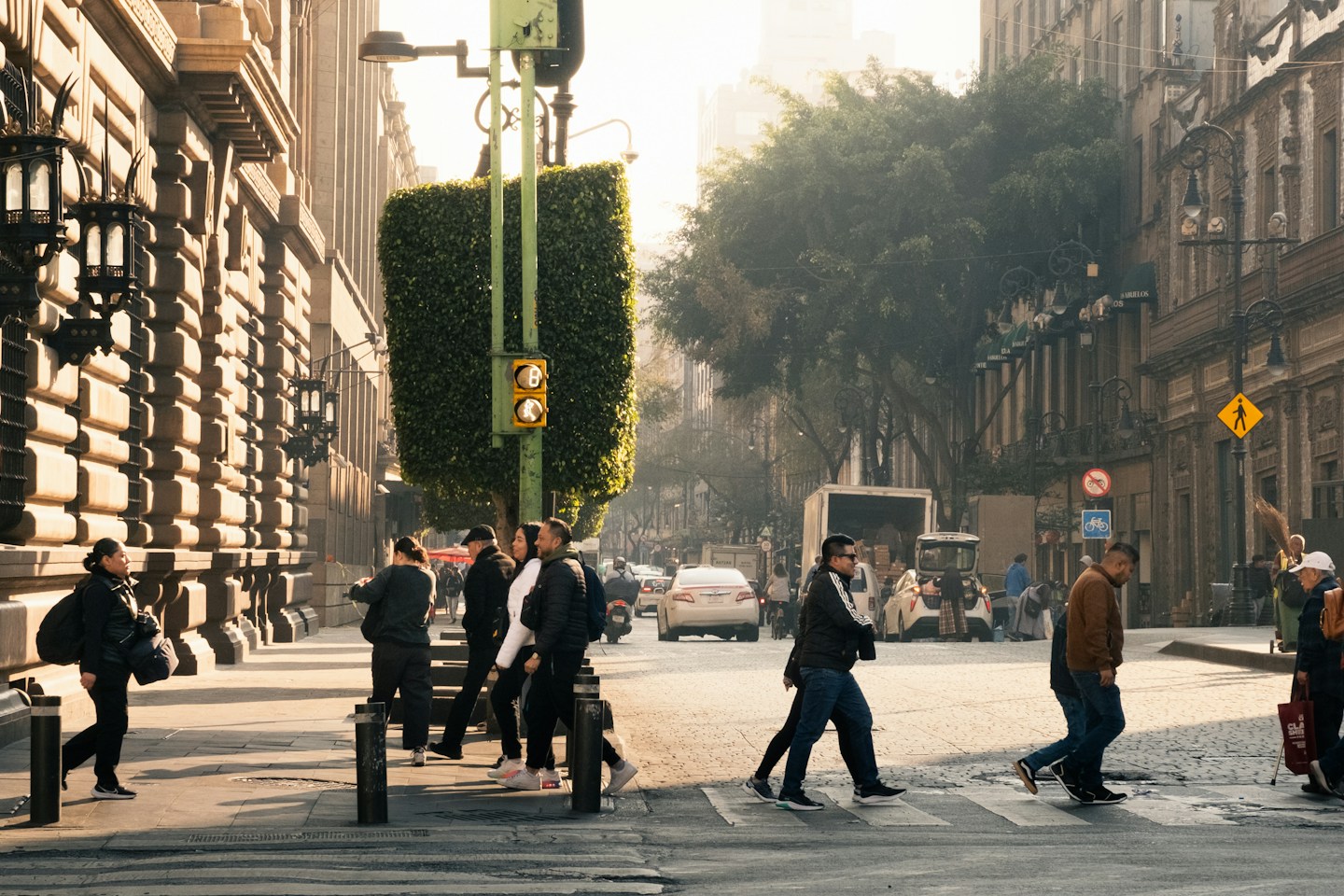
Mexico City is too large to understand by crossing it repeatedly. Choose a few coherent neighborhoods, allow for altitude and traffic, and make each day feel like a smaller trip.
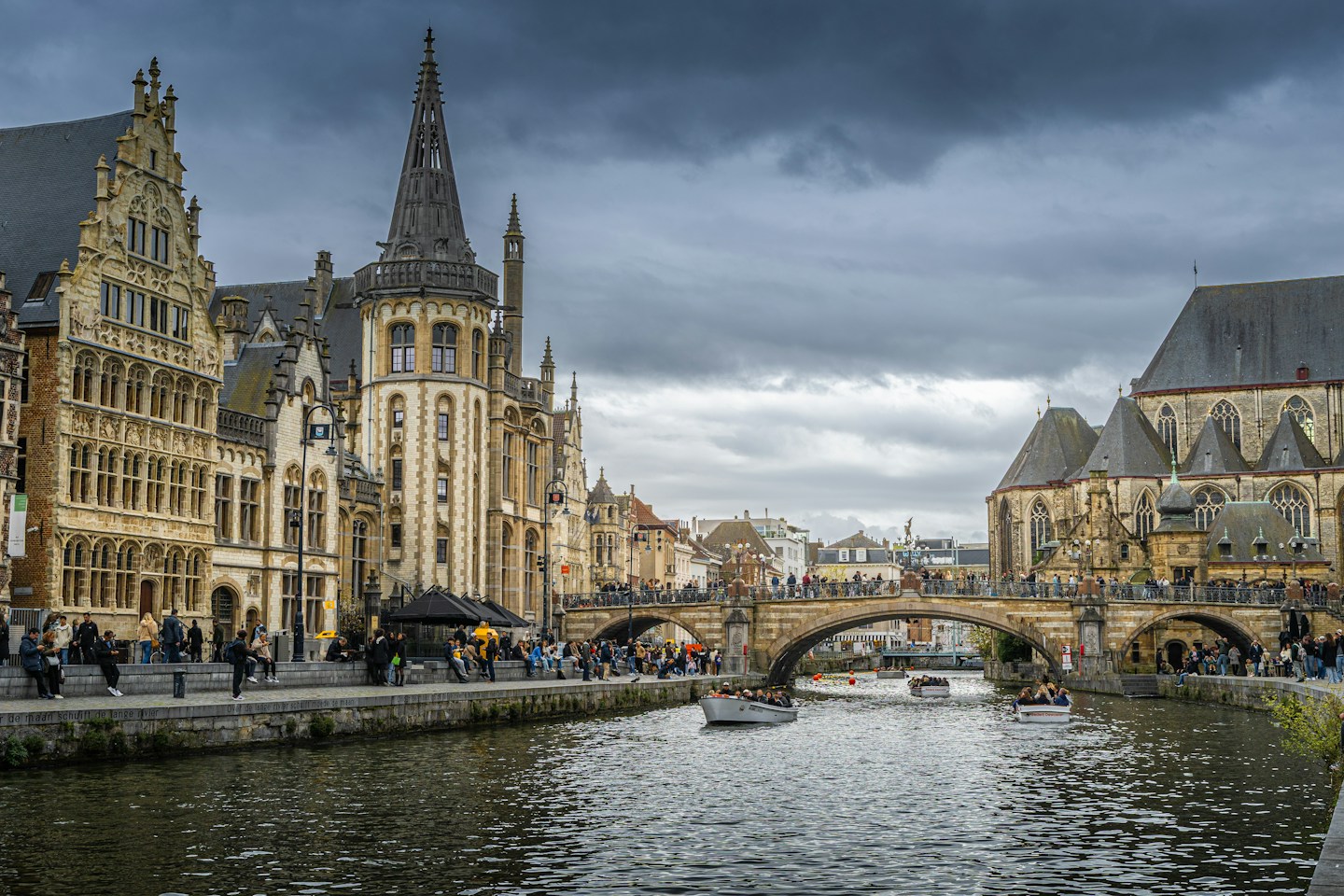
An overnight stay changes the pace of Ghent. Leave room for the riverfront after the busiest sightseeing hours, then use the next morning for streets beyond the familiar central views.
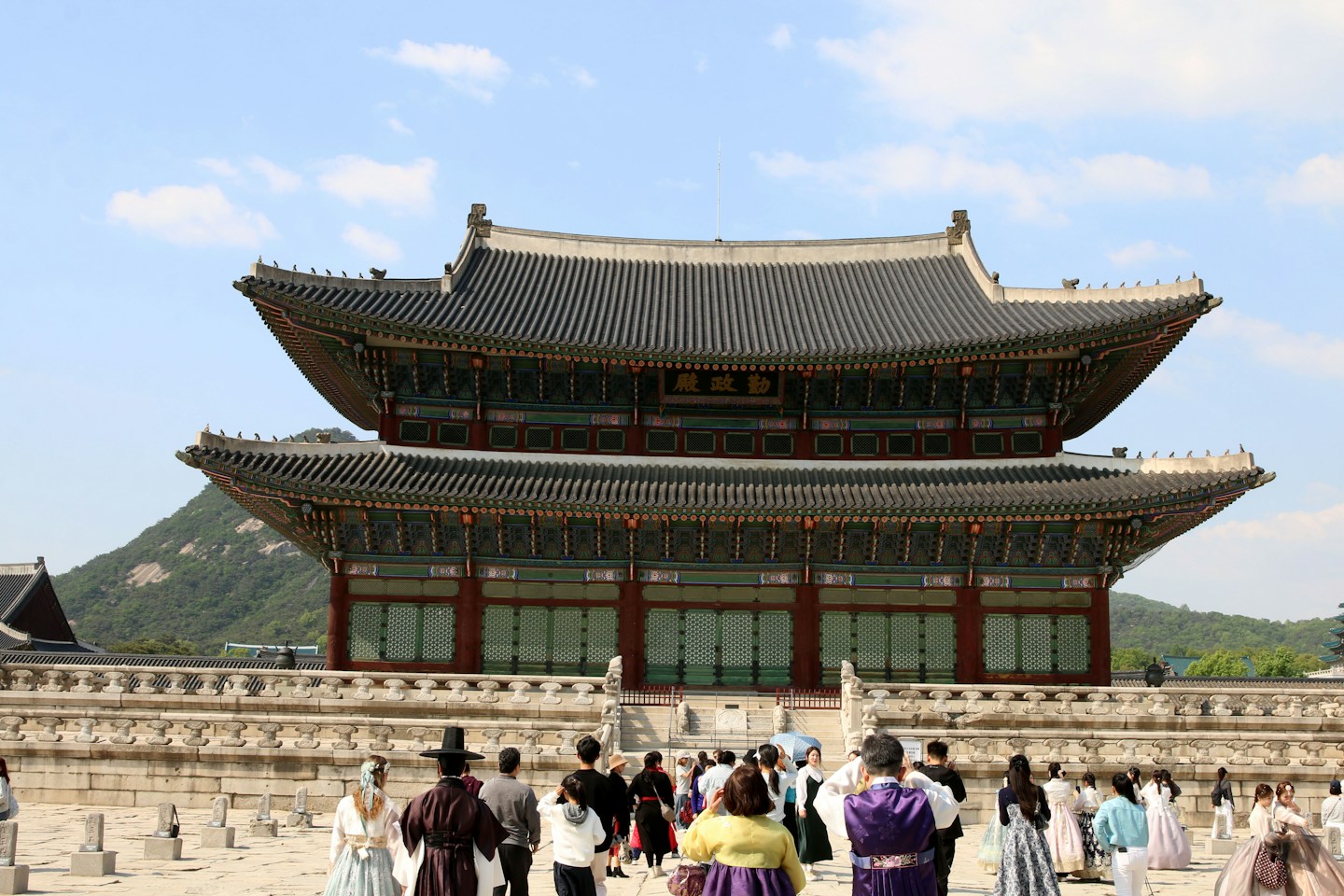
Seoul’s scale becomes manageable when a day has one geographic center. Combine a palace area with nearby streets, then give a different district its own time on another day.
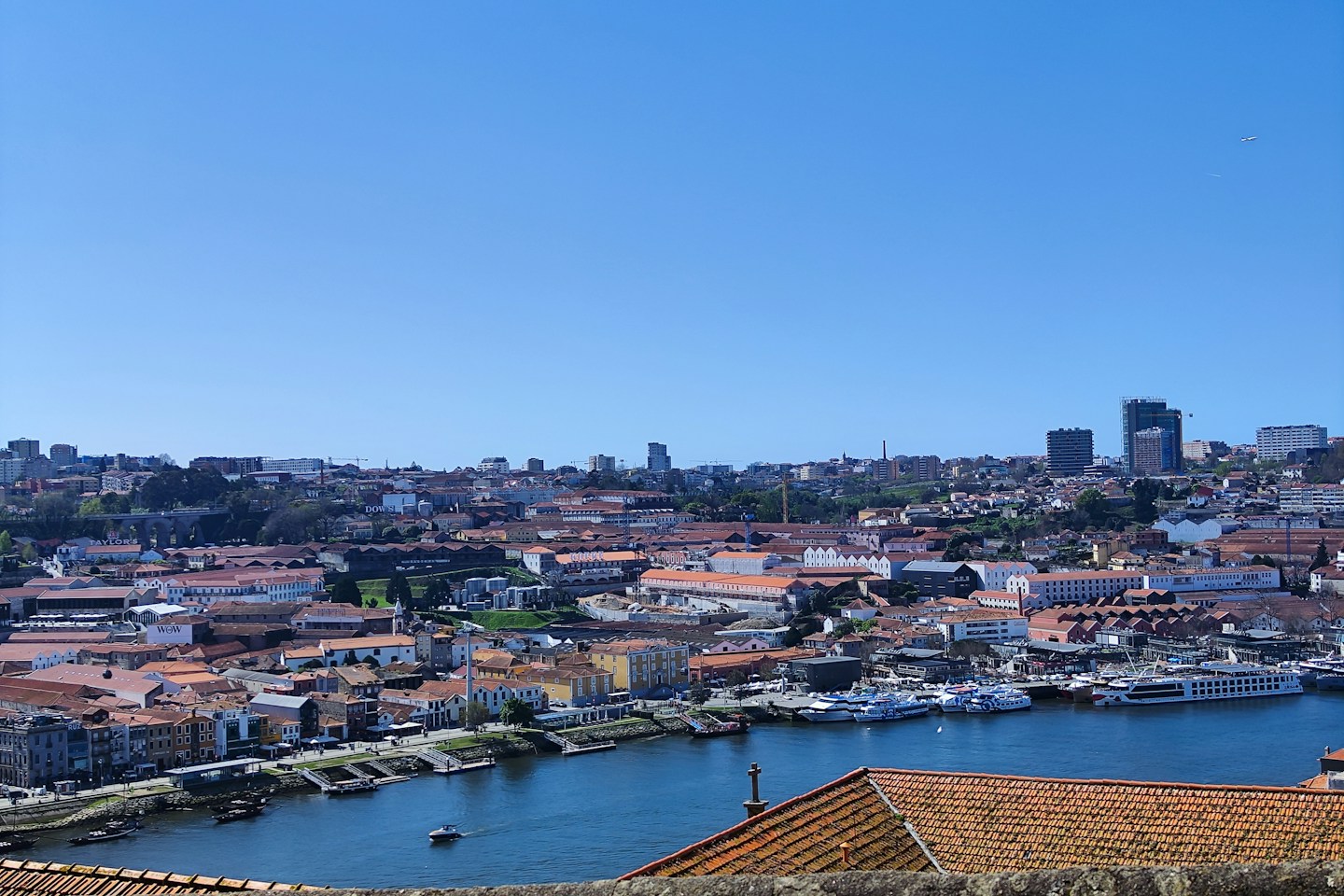
Porto’s river views are memorable, but the climb away from the water is part of the experience. Organize the city as a sequence of levels rather than a flat walking loop.
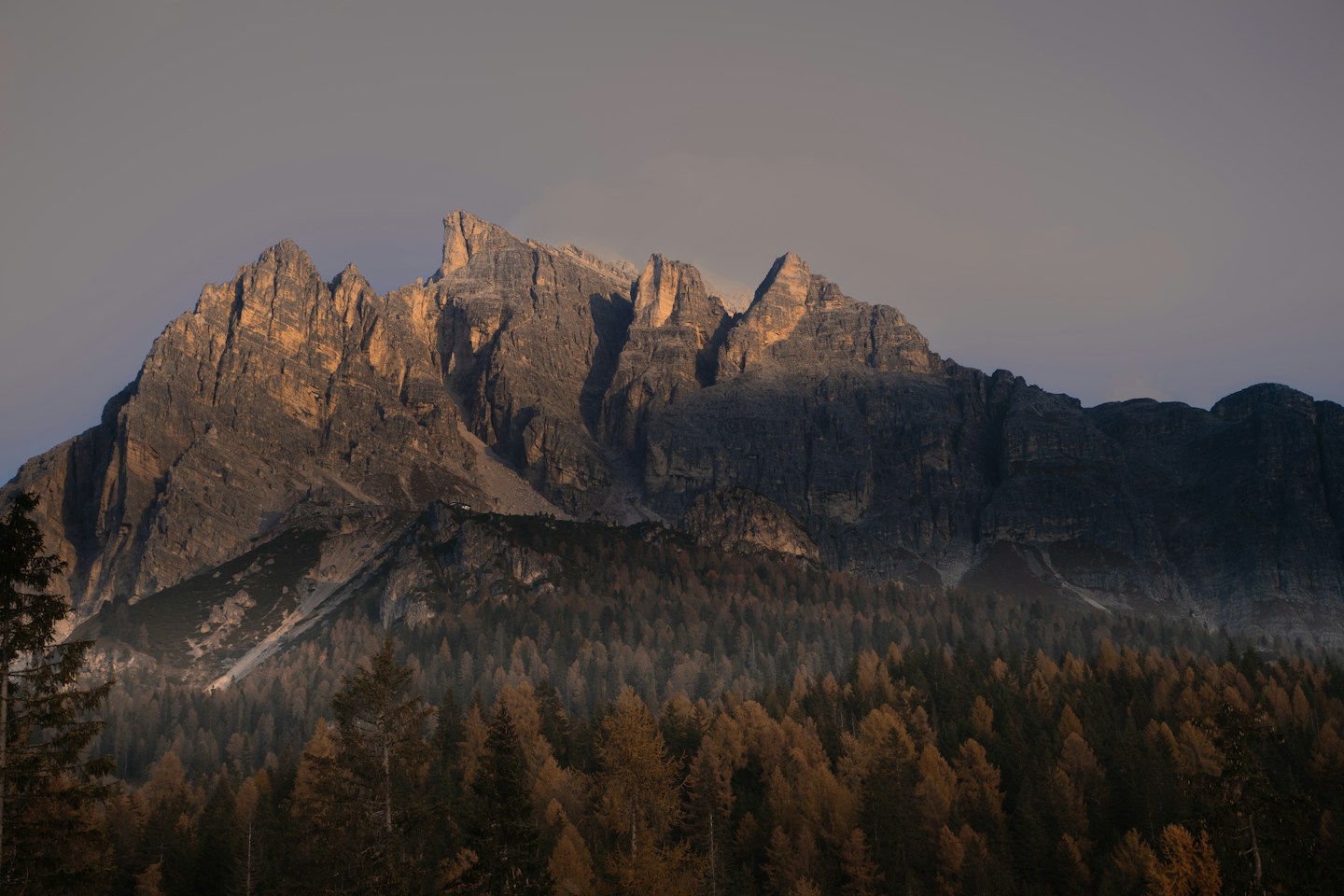
A good Dolomites visit starts with a valley, not a list of famous peaks. Choose a stable base and use conditions, ability and transport to decide which walks belong in the plan.
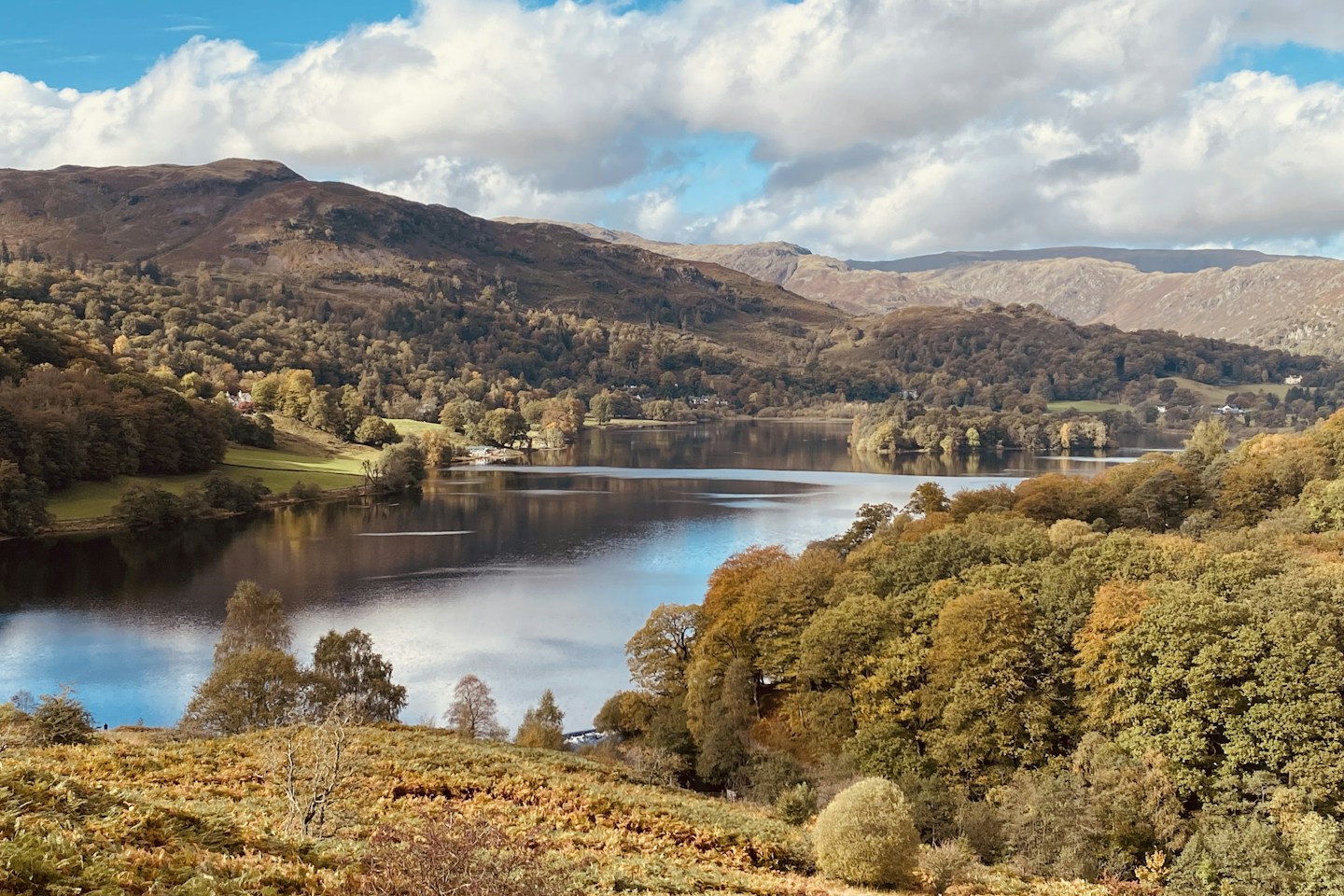
The Lake District works beautifully when a trip has more than one version. Keep a low-level walk, a lakeside outing and an indoor afternoon ready alongside any ambitious fell plans.
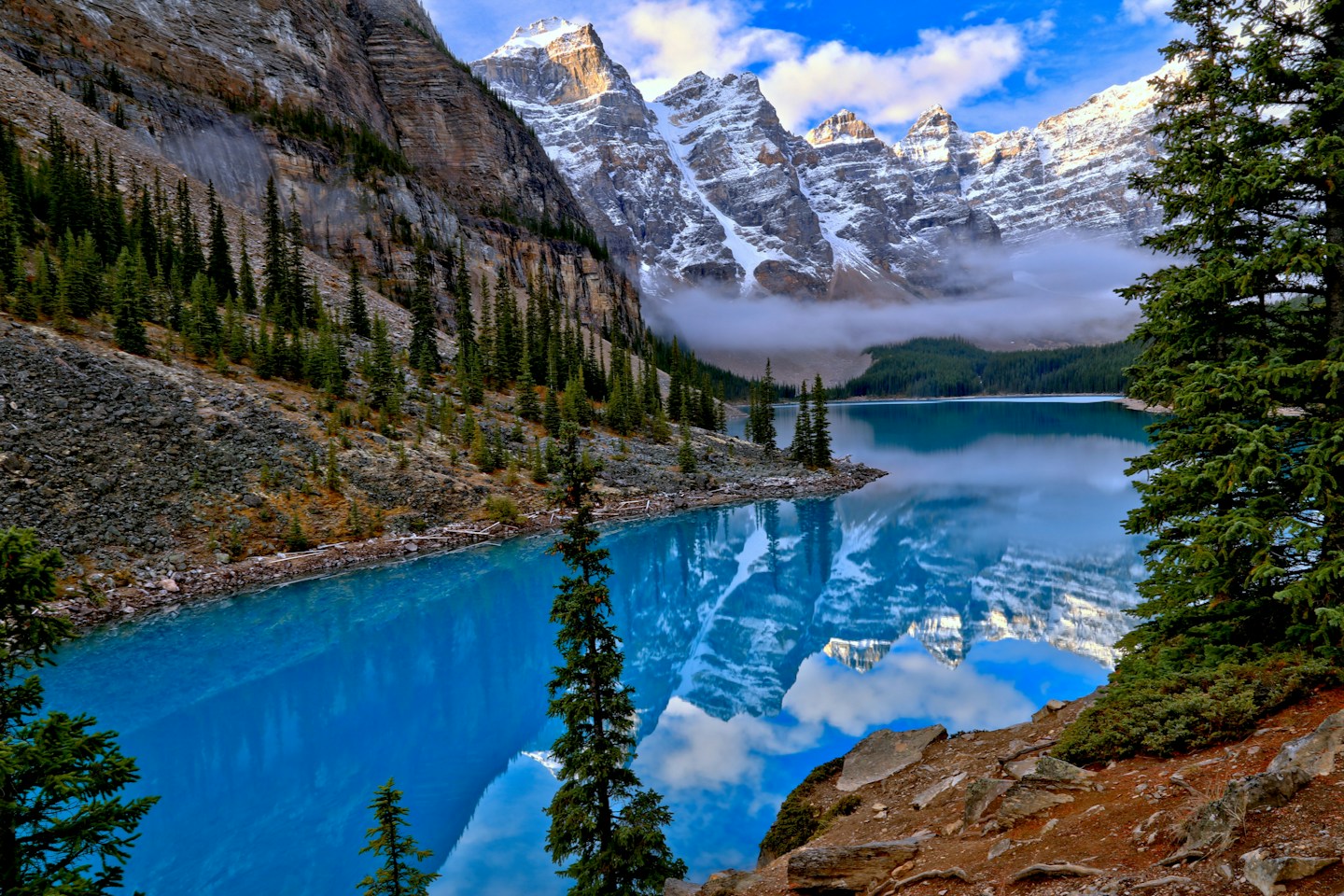
Banff is a mountain landscape with tightly managed visitor access. Build a trip around realistic transport and wildlife awareness, then let the lakes be part of a wider valley experience.
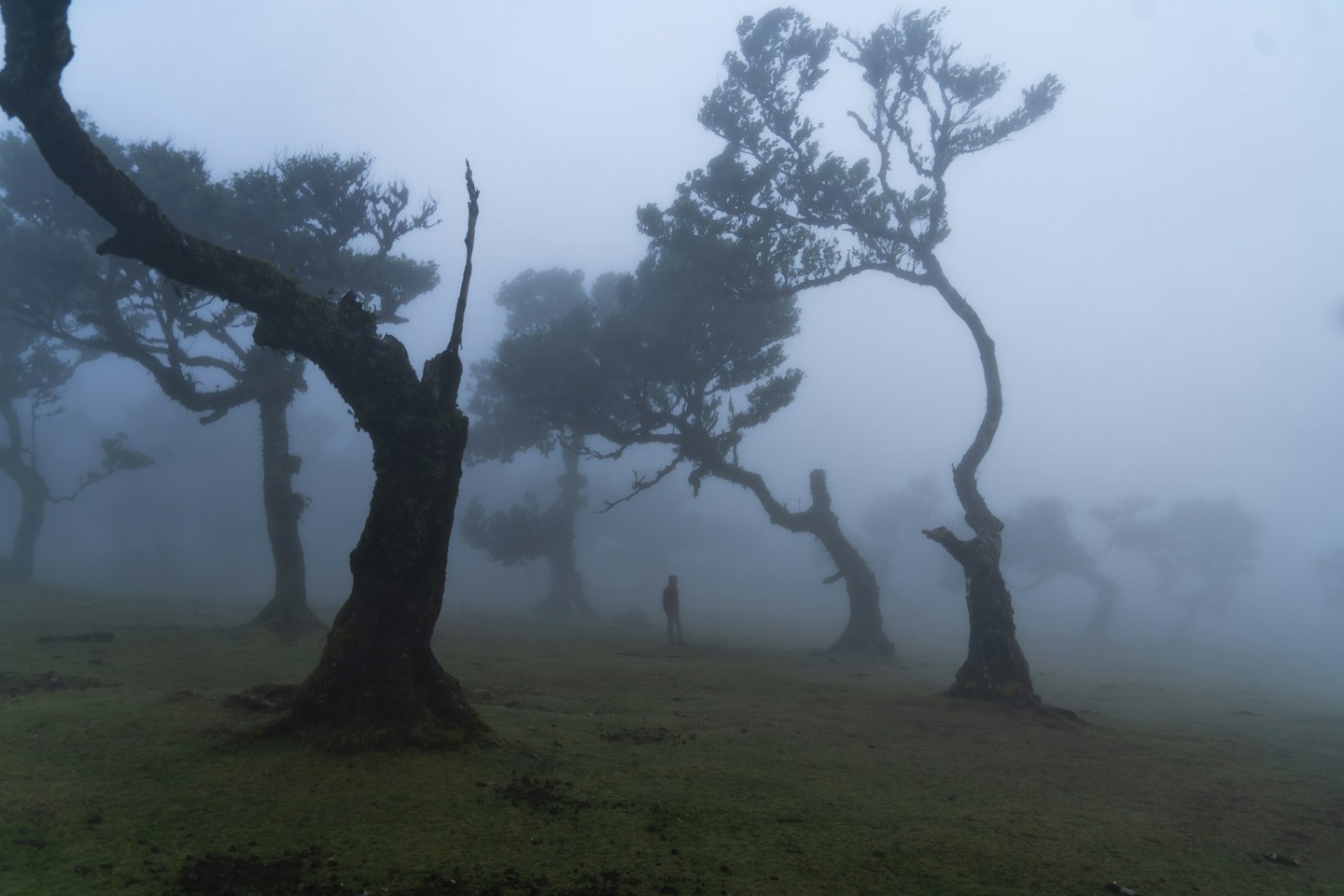
Madeira has dramatic paths, but a rewarding walking holiday need not become an endurance test. Match each route to its exposure, weather and current access status, then leave time for gardens and coastal towns.
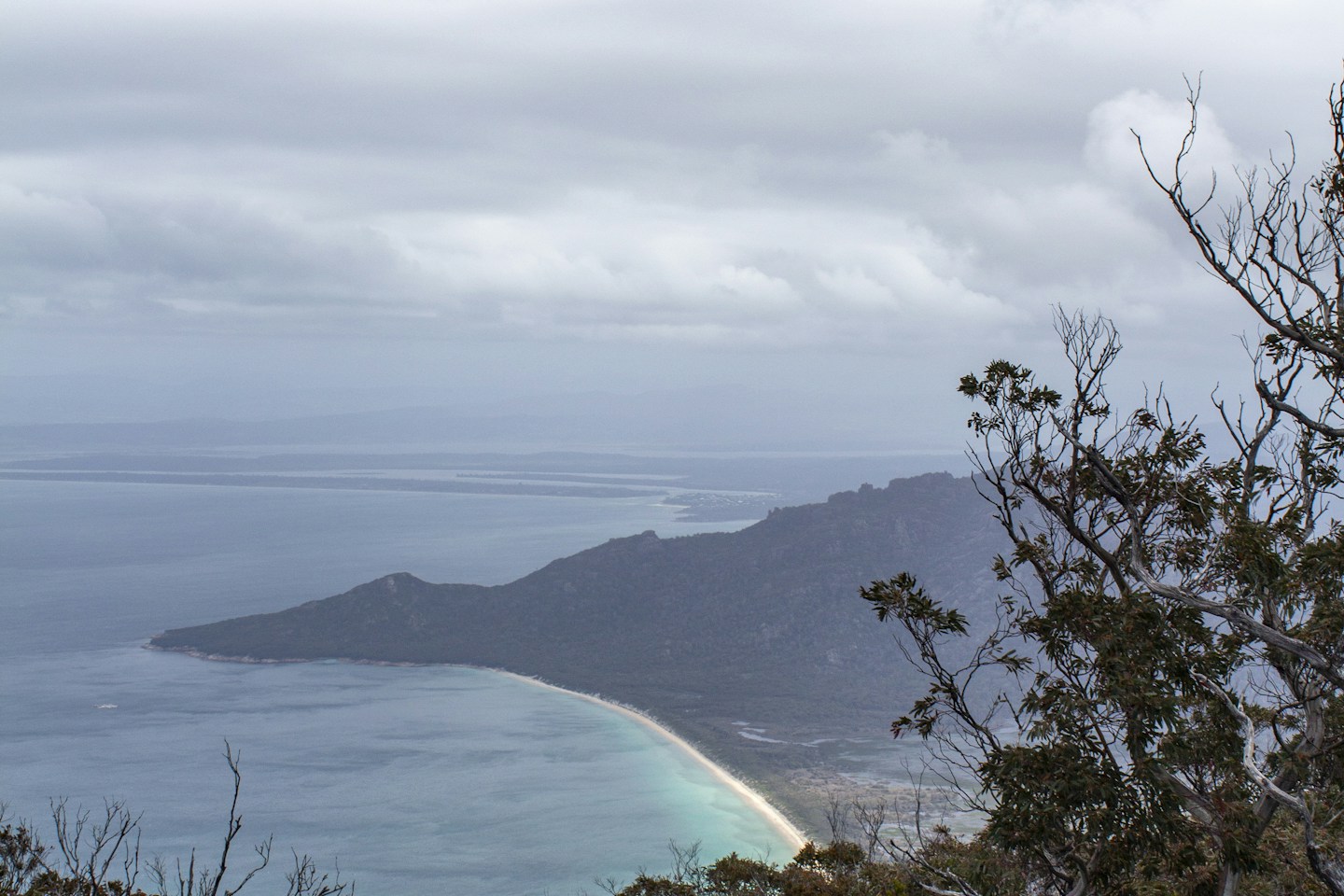
Tasmania’s east coast invites a slow road journey punctuated by short walks. Keep driving days modest and make the distinction between a coastal lookout and a remote bushwalk explicit.
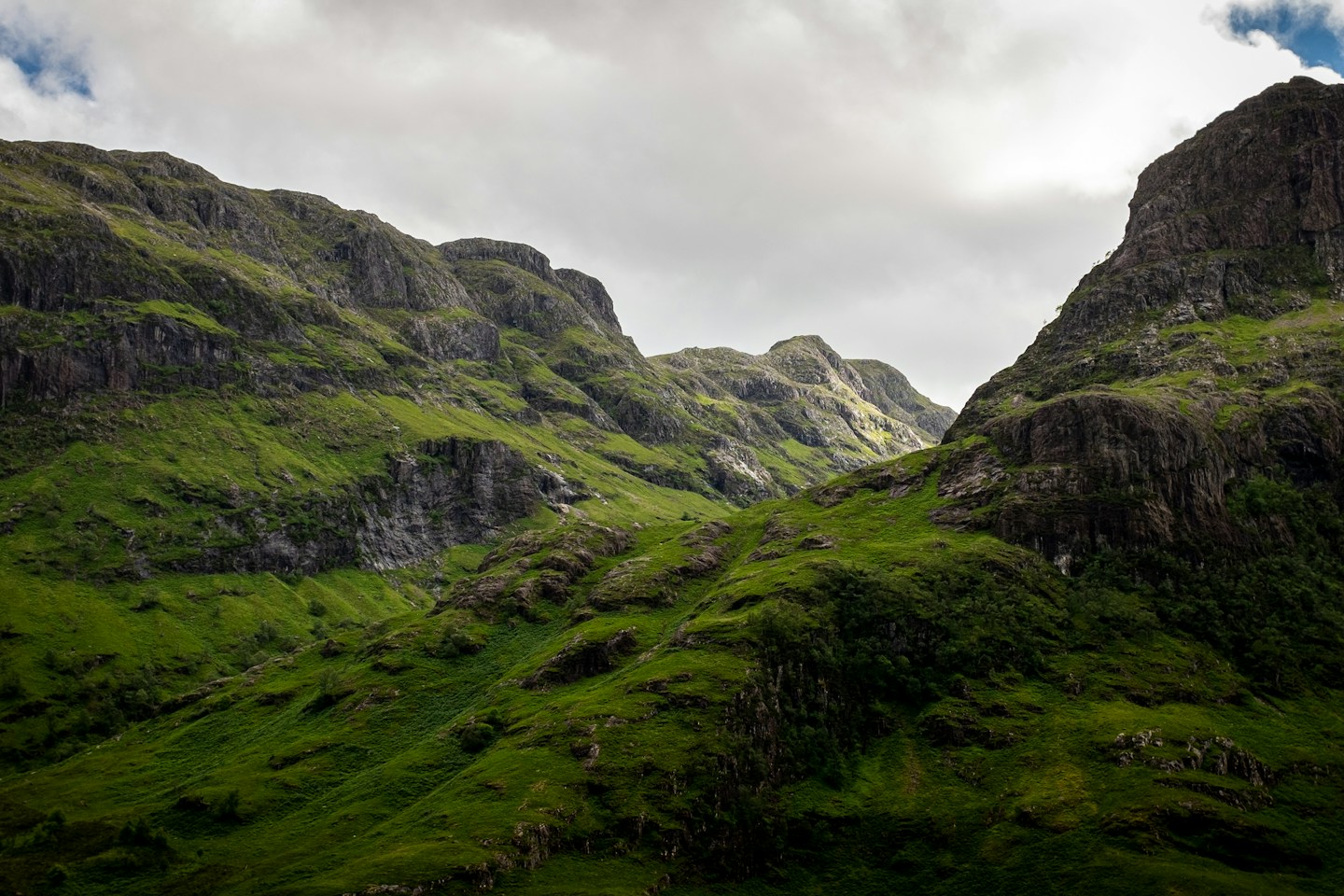
The Highlands are easier to appreciate when the route leaves gaps. Choose a small region, learn the rhythm of its roads, and let weather decide which hills and shorelines to explore.
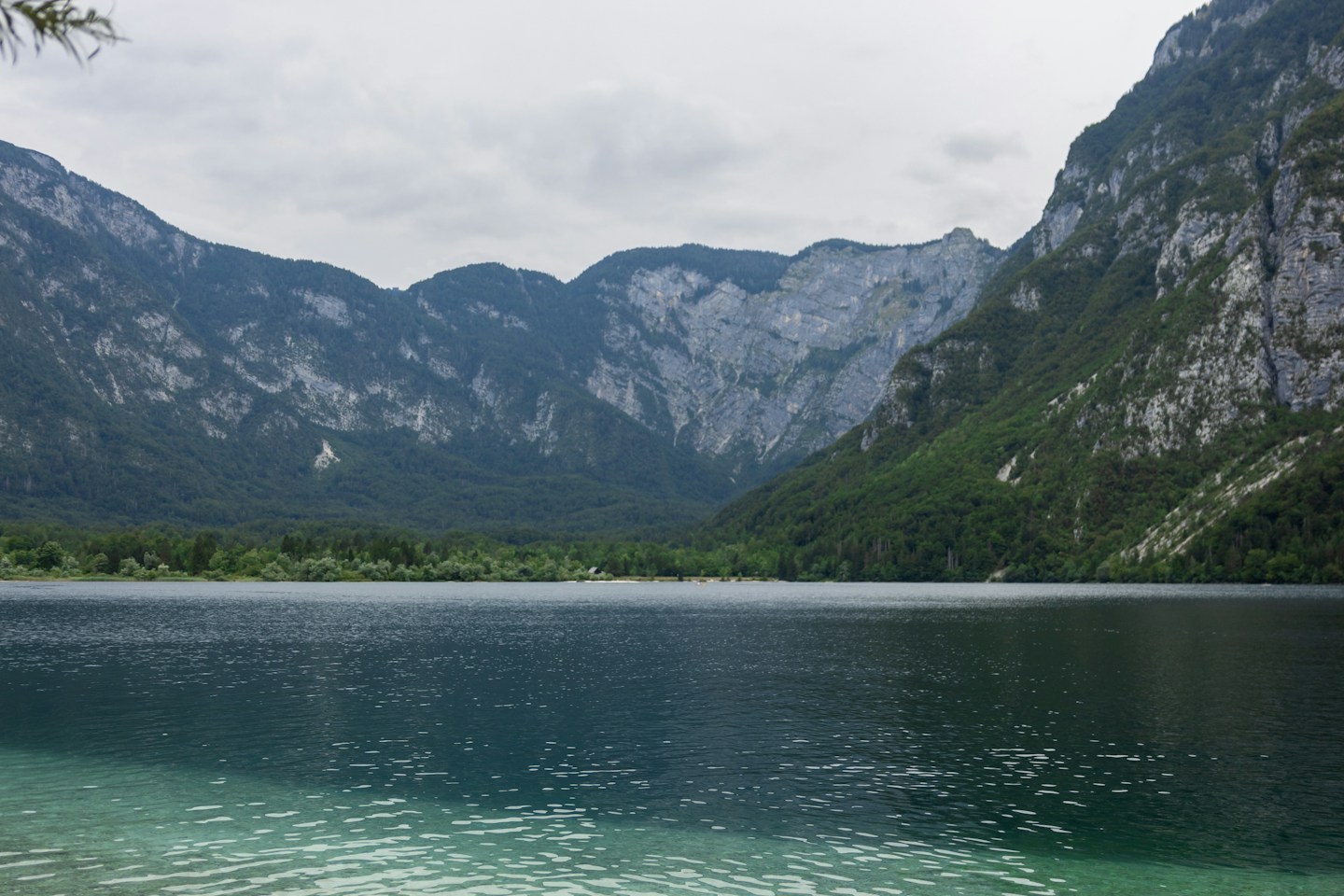
Lake Bohinj offers a clear center for an Alpine stay, but its surrounding routes need different levels of preparation. Plan the shoreline and the mountains as separate kinds of days.
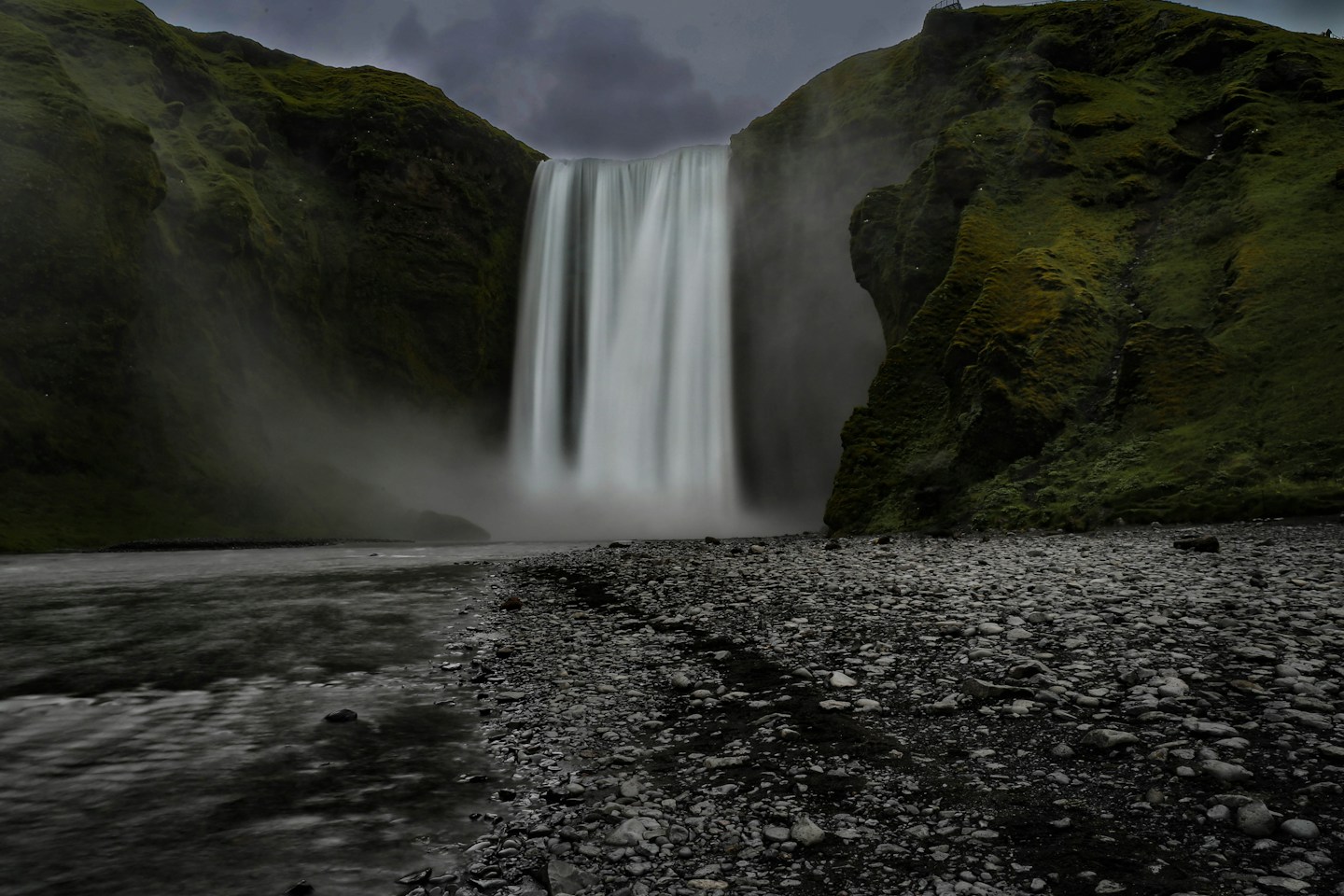
South Iceland’s celebrated stops make it tempting to keep driving. A better plan gives each landscape time and accepts that wind, road conditions and daylight can change the route.
A desert visit is shaped by logistics as much as scenery. Think carefully about distances, daylight and heat so that dune landscapes can be enjoyed without turning a day into a driving marathon.
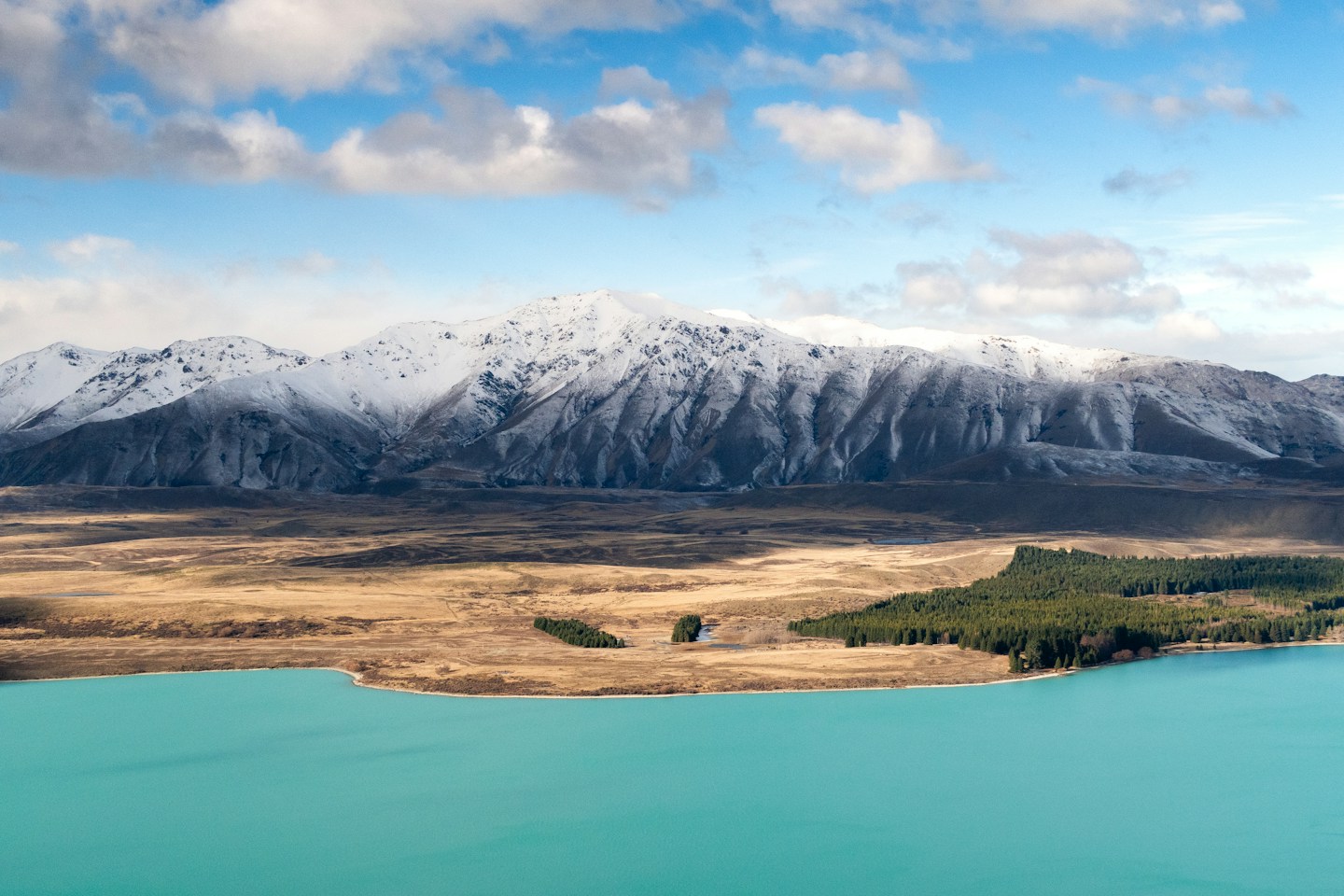
The Mackenzie landscape asks for attention at two different scales: broad mountain valleys in daylight and the sky after dark. Balance those experiences with conservative walking plans and enough rest.
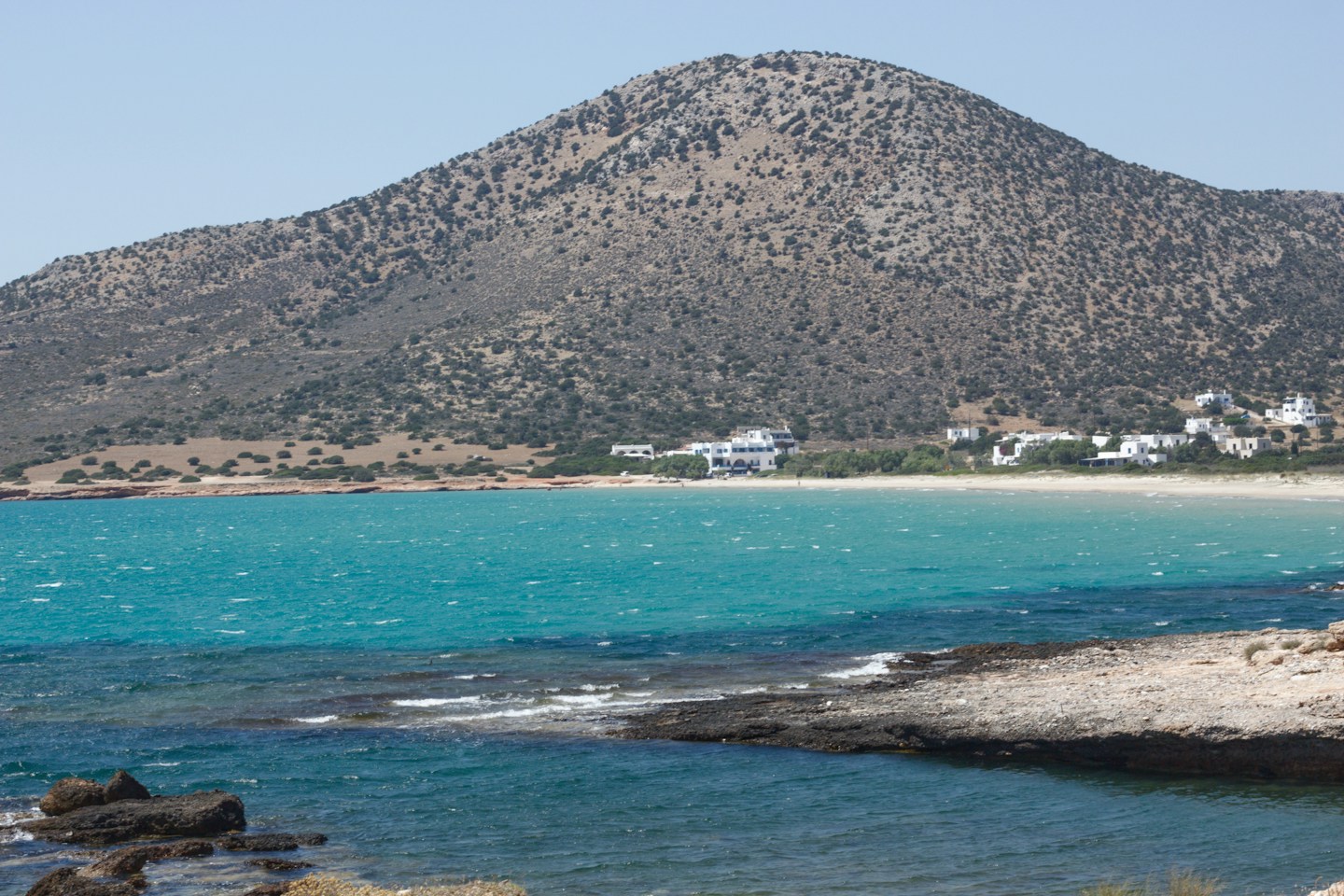
Naxos makes room for two kinds of island day: an easy coastal morning and a slower journey inland. Give both space, and avoid using a ferry arrival as the start of a packed itinerary.
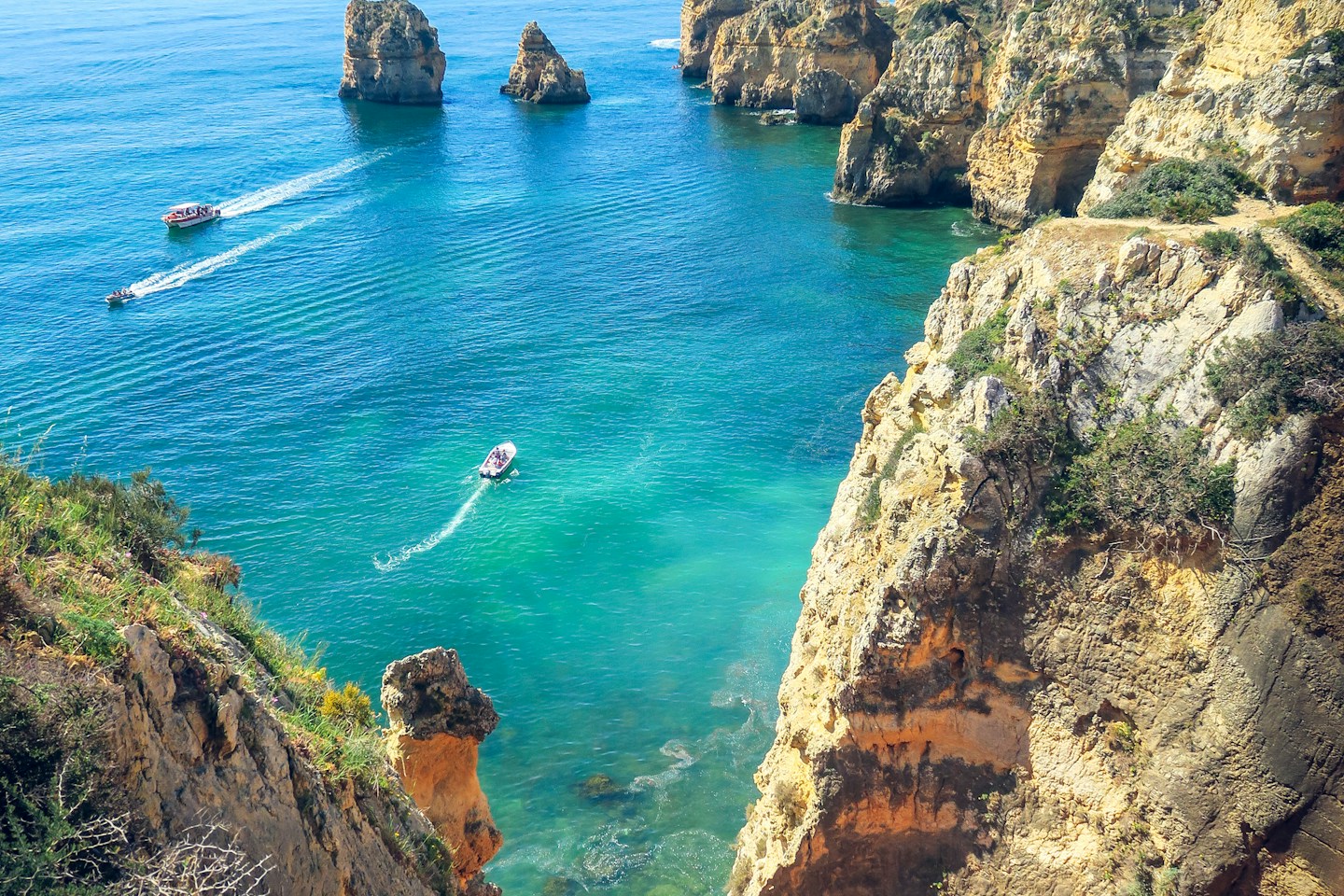
The Algarve is more than a sequence of beaches. Alternate coastal scenery with old-town streets, and let tides, heat and trail conditions decide how close to the water you go.
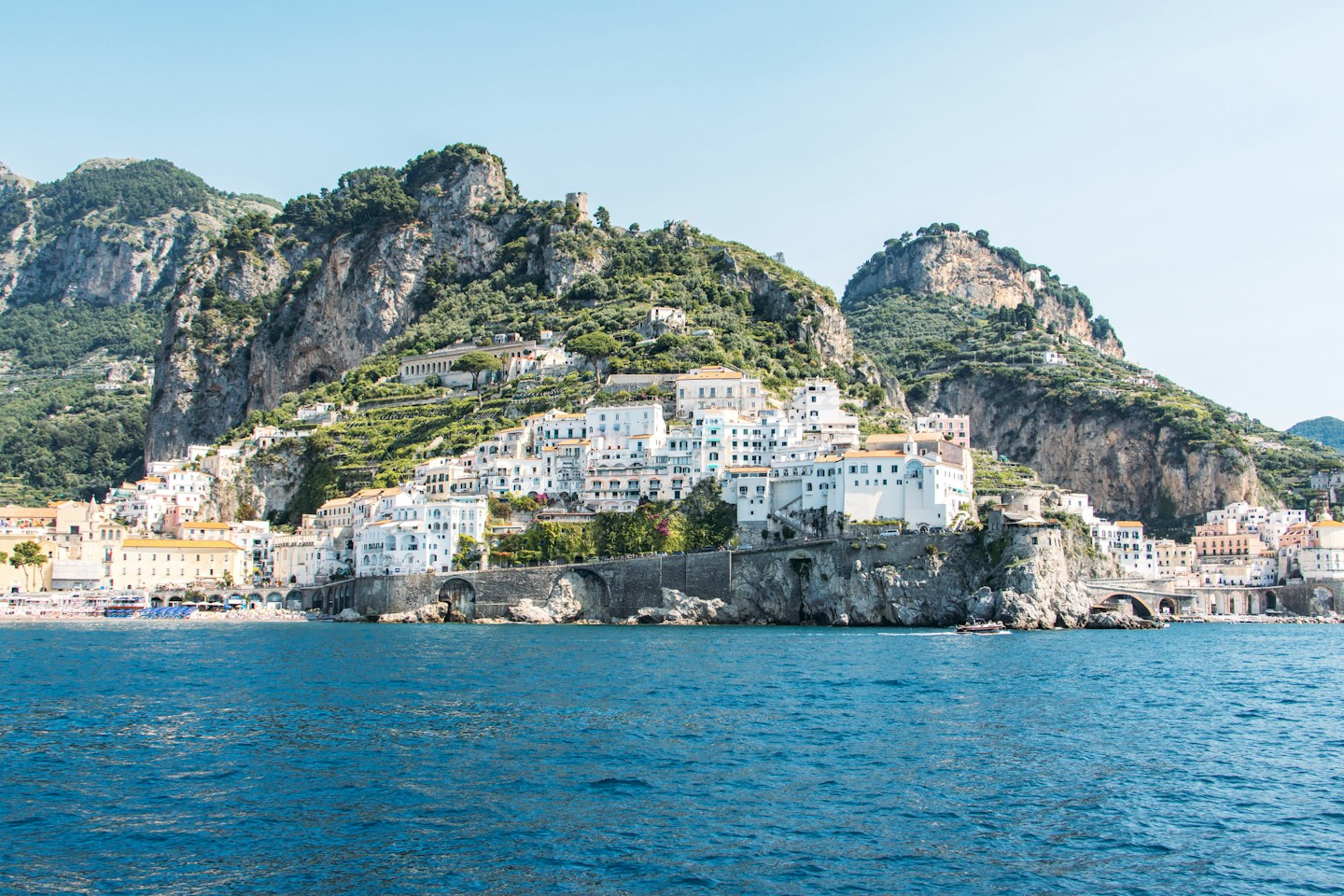
On the Amalfi Coast, short map distances can conceal slow transfers and many stairs. Fewer bases and one main outing each day leave more time for the sea and the towns above it.
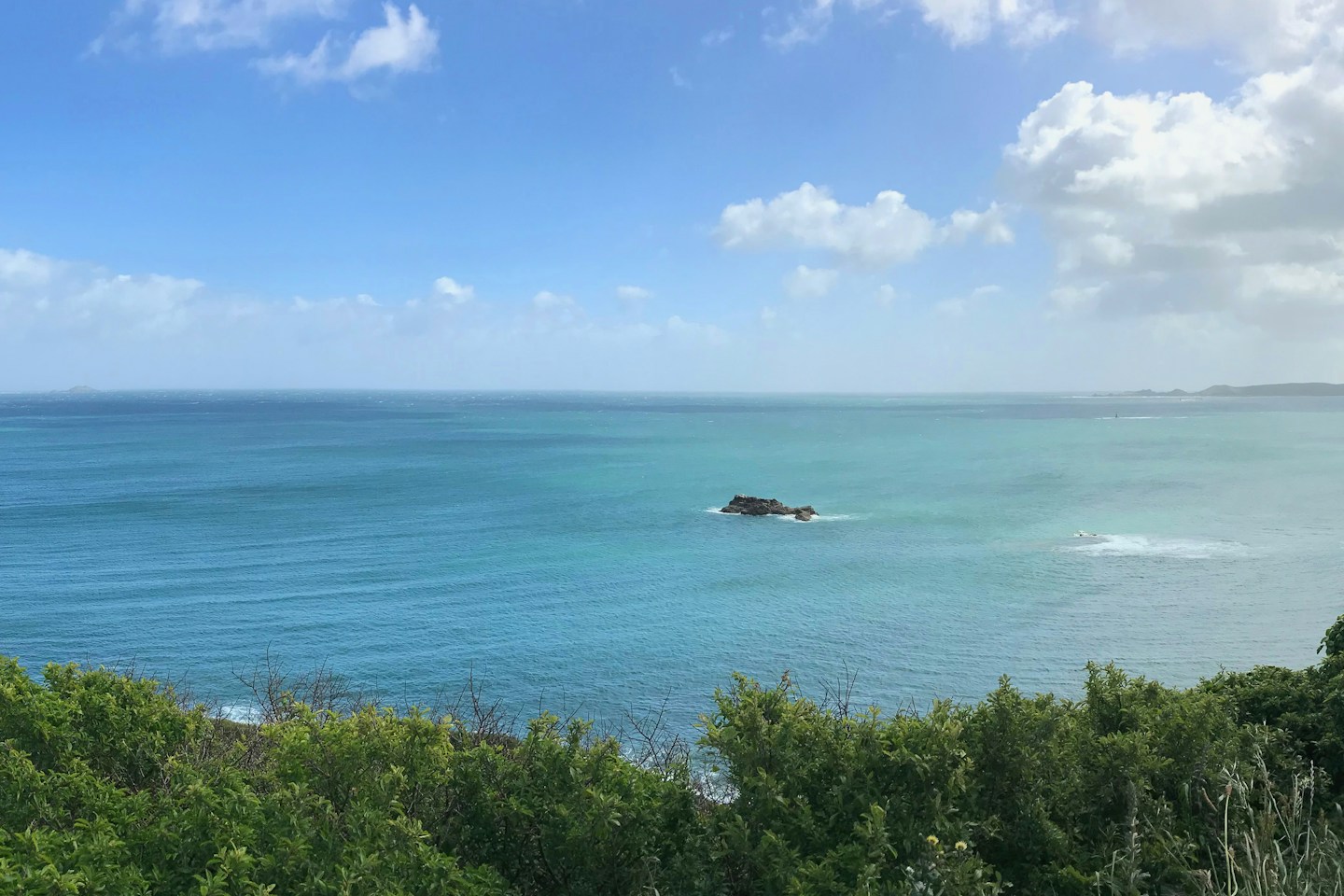
Brittany’s shoreline changes visibly with the tide. Build a coastal trip around a few harbor towns and short marked walks, keeping enough flexibility for wind and changing water levels.
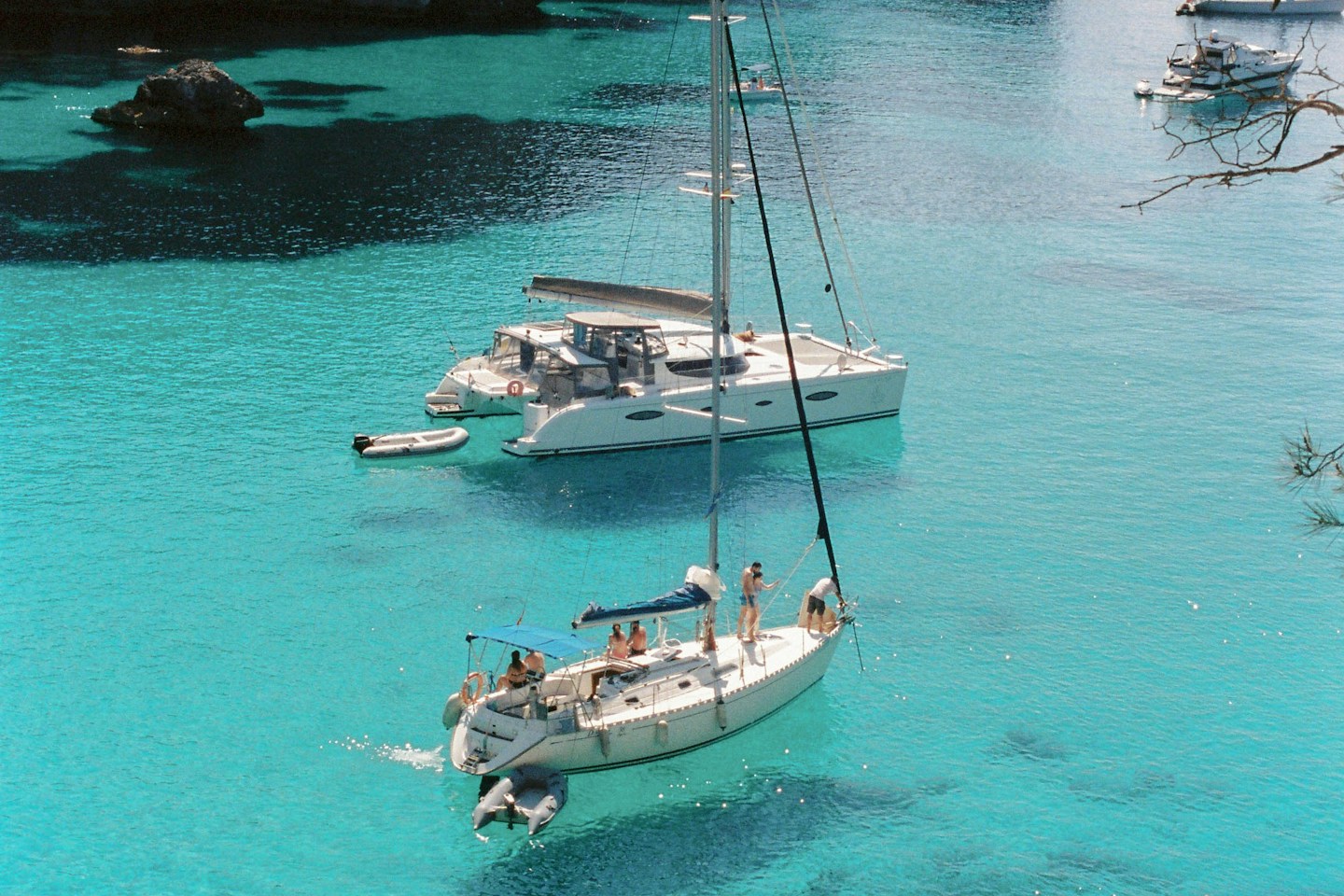
Menorca’s small coves can feel surprisingly distant once parking limits and walking paths are included. Choose a coast for the day and give the island’s towns their own attention.
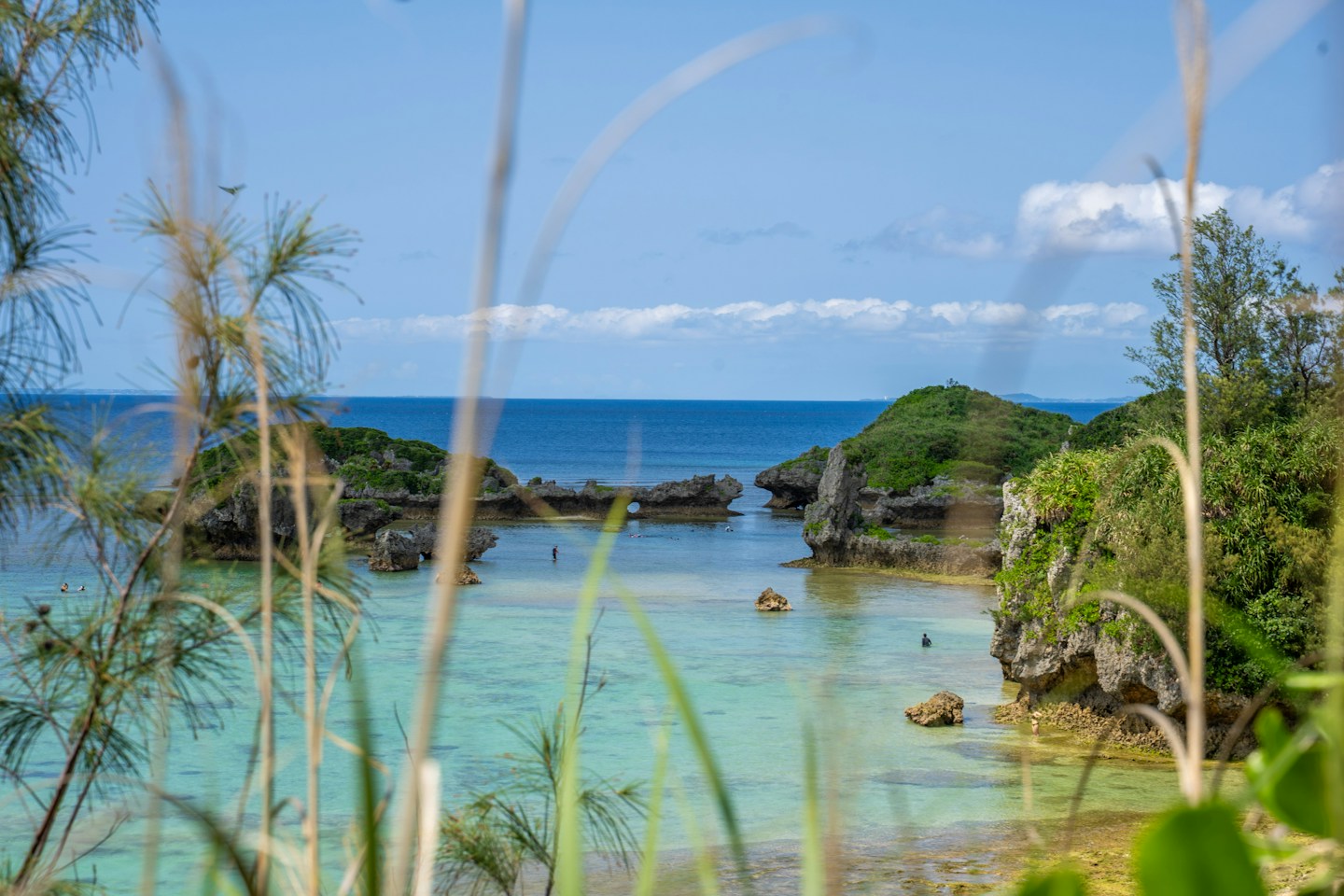
Okinawa is an island region, not a single beach. Decide whether a trip will focus on the main island or include another island, then build transport and weather flexibility around that choice.
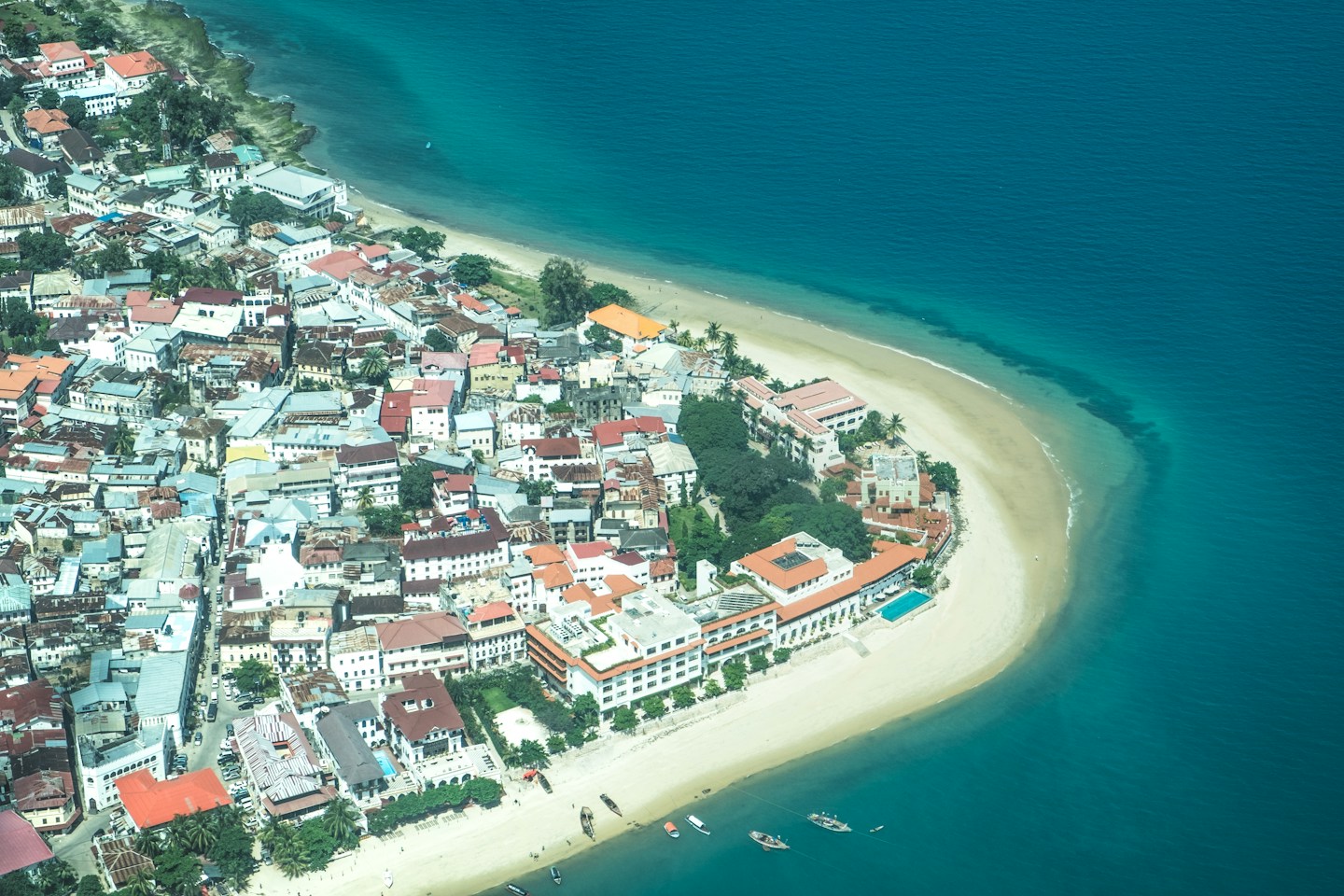
A Zanzibar visit becomes richer when Stone Town has its own time. Pair its streets and cultural history with a coastal base, while allowing for tides and respectful local dress.
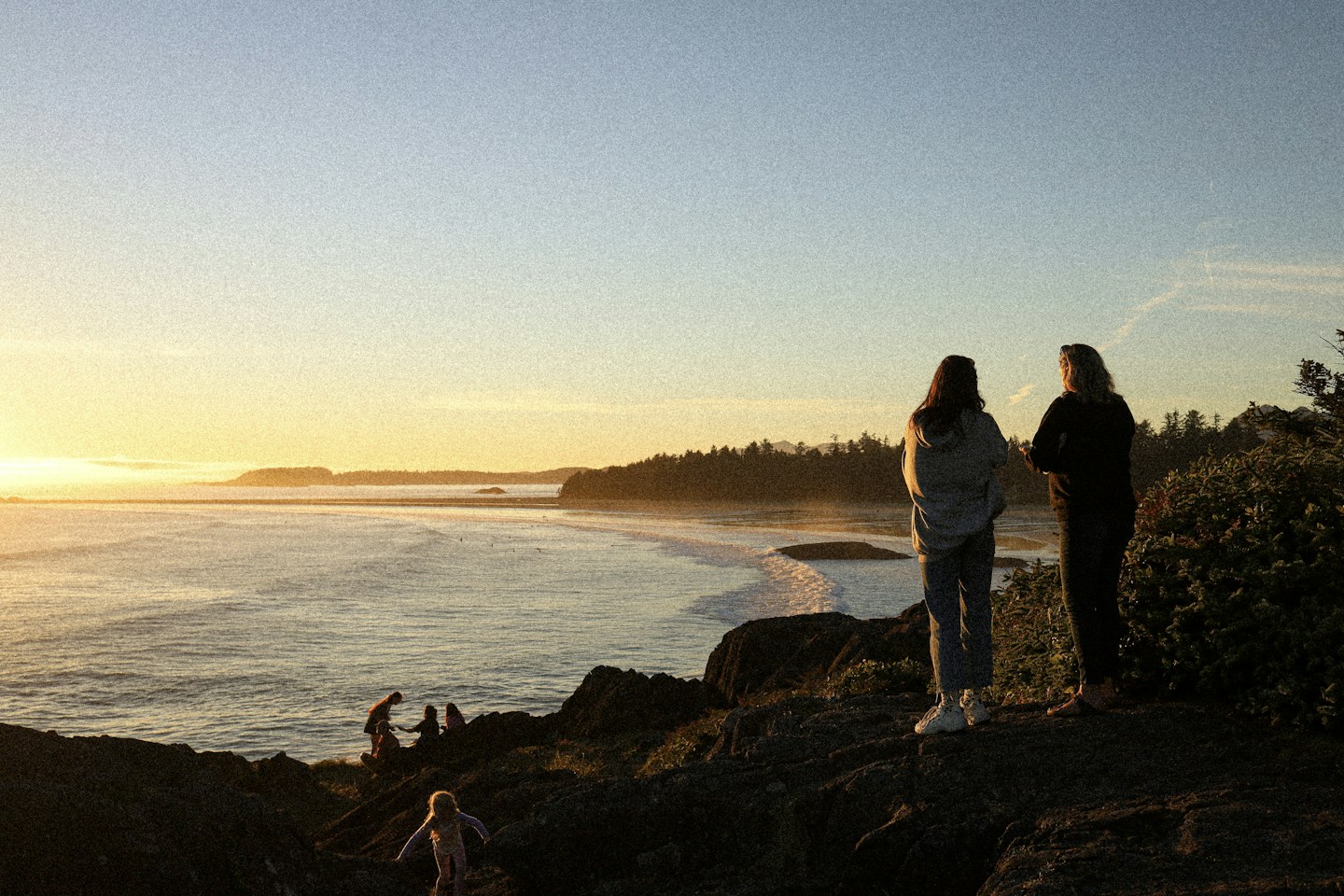
Vancouver Island is large enough to reward a regional rather than island-wide itinerary. A west-coast stay can combine rainforest walks, long beaches and the practical rhythm of a small coastal town.
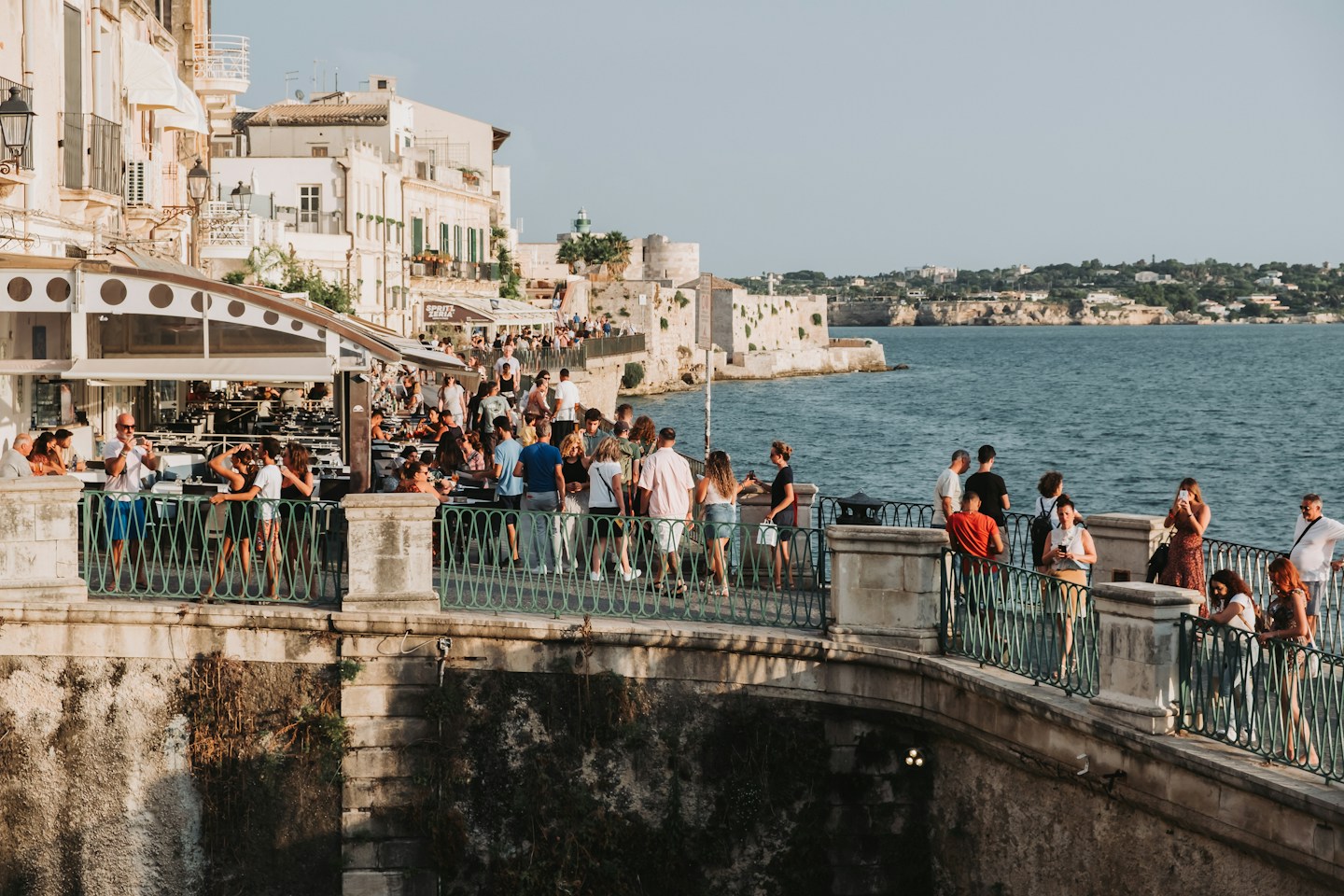
Eastern Sicily combines volcanic landscapes, historic streets and a varied shoreline. A two-base approach gives these different settings more breathing room than a hotel change every night.
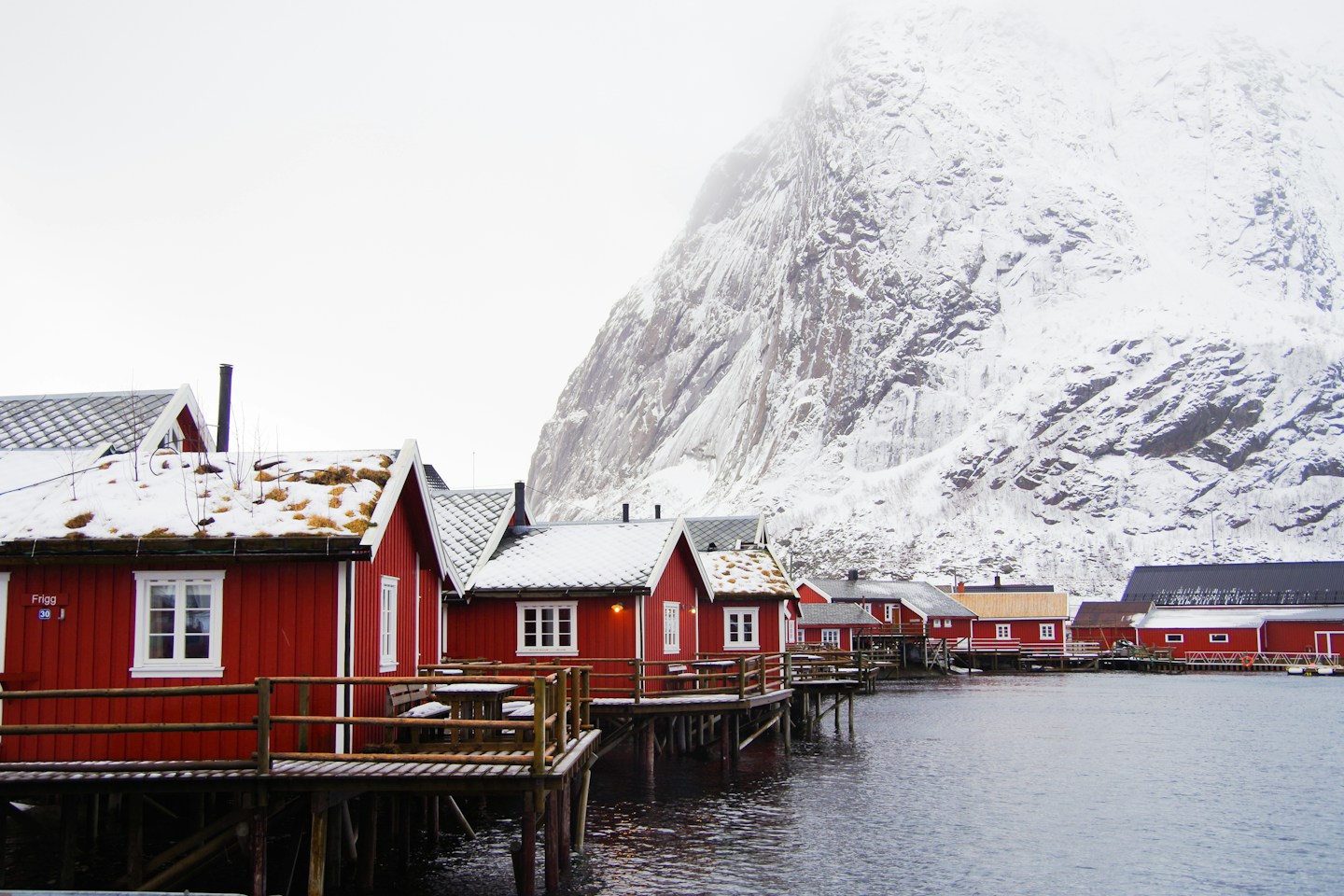
Lofoten does not require a summit every day. Harbors, shorelines and short walks reveal the islands’ scale, while a measured driving plan leaves room for rapidly changing weather.
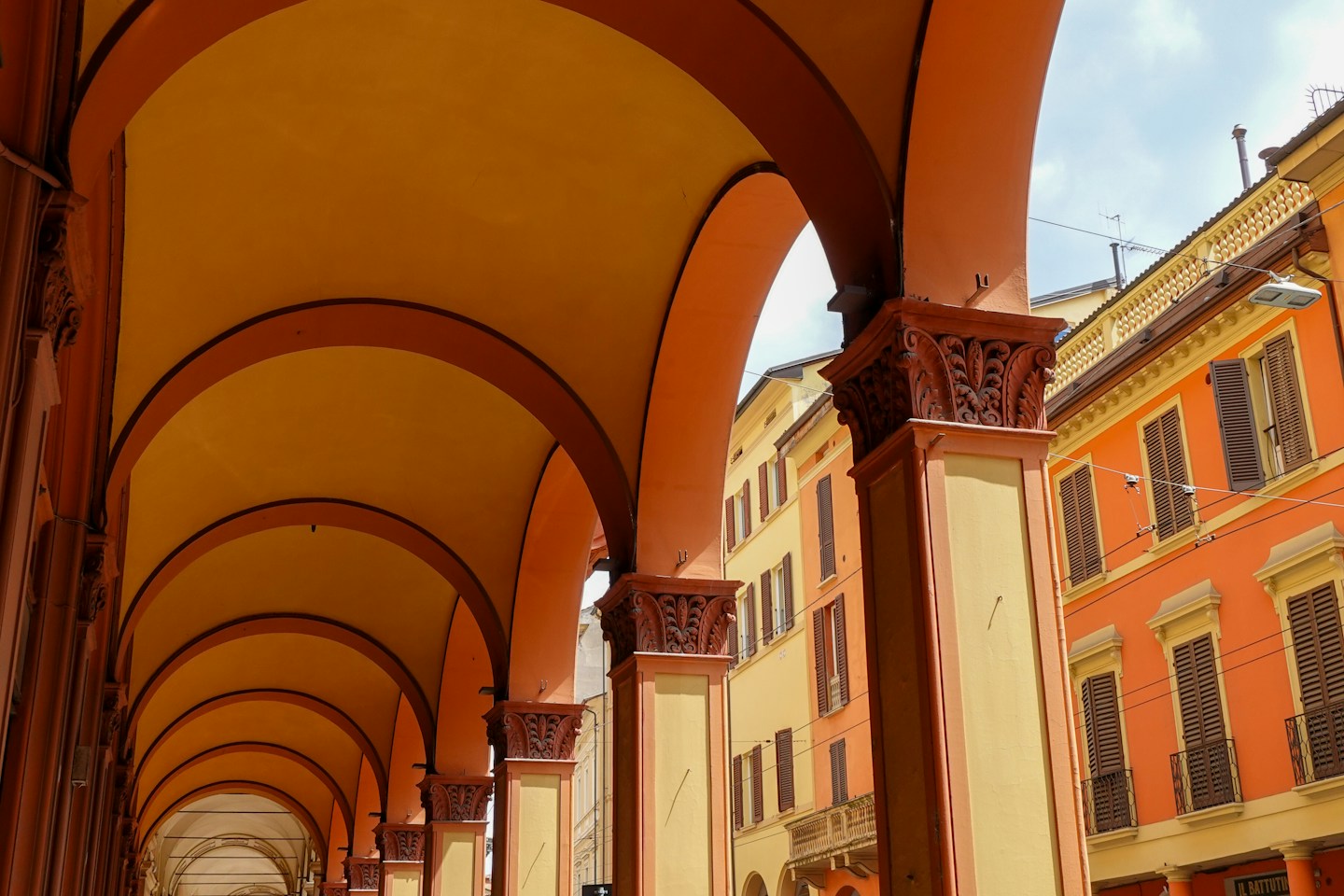
Bologna’s porticoes make a fine framework for a food-centered city break. Plan around a few market streets and cultural stops, then let lunch have the time it deserves.
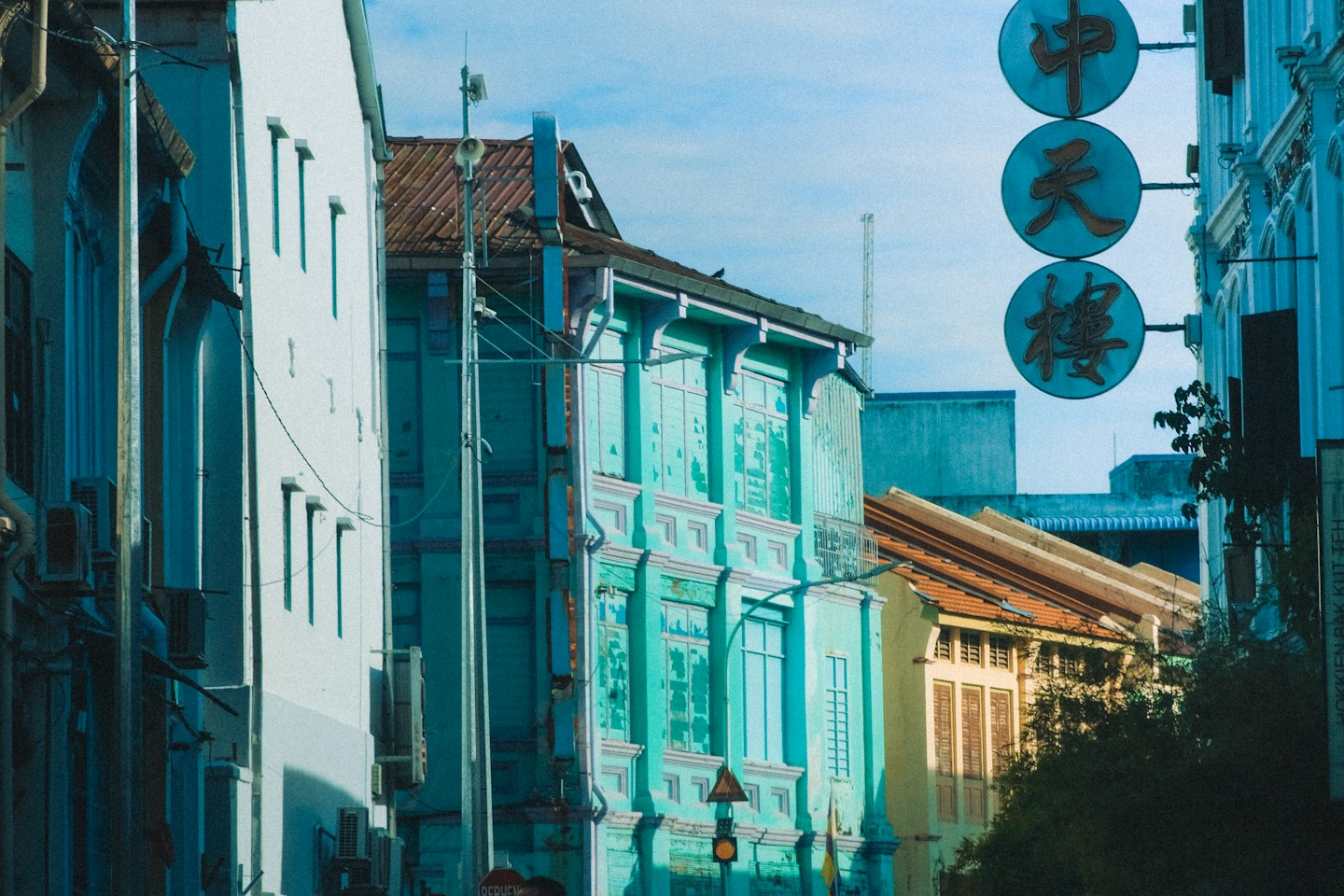
George Town’s food culture is closely tied to its streets, communities and daily working rhythms. Build a visit around small walking areas and a few deliberate meals rather than constant snacking on the move.
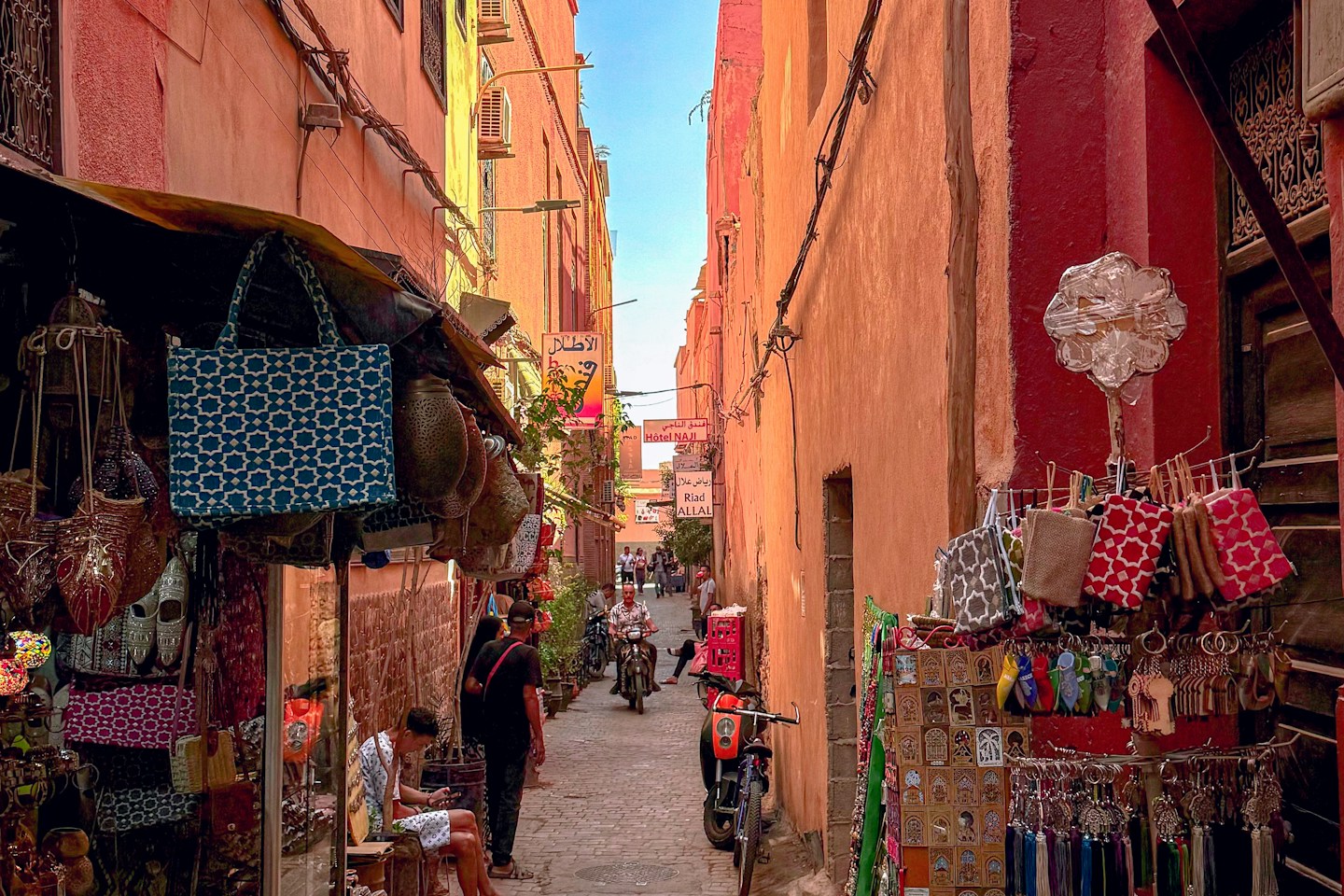
Marrakesh is easier to enjoy when arrival and orientation have their own space. Choose a clear meeting point, keep the first walk short and alternate the medina’s intensity with gardens and courtyards.
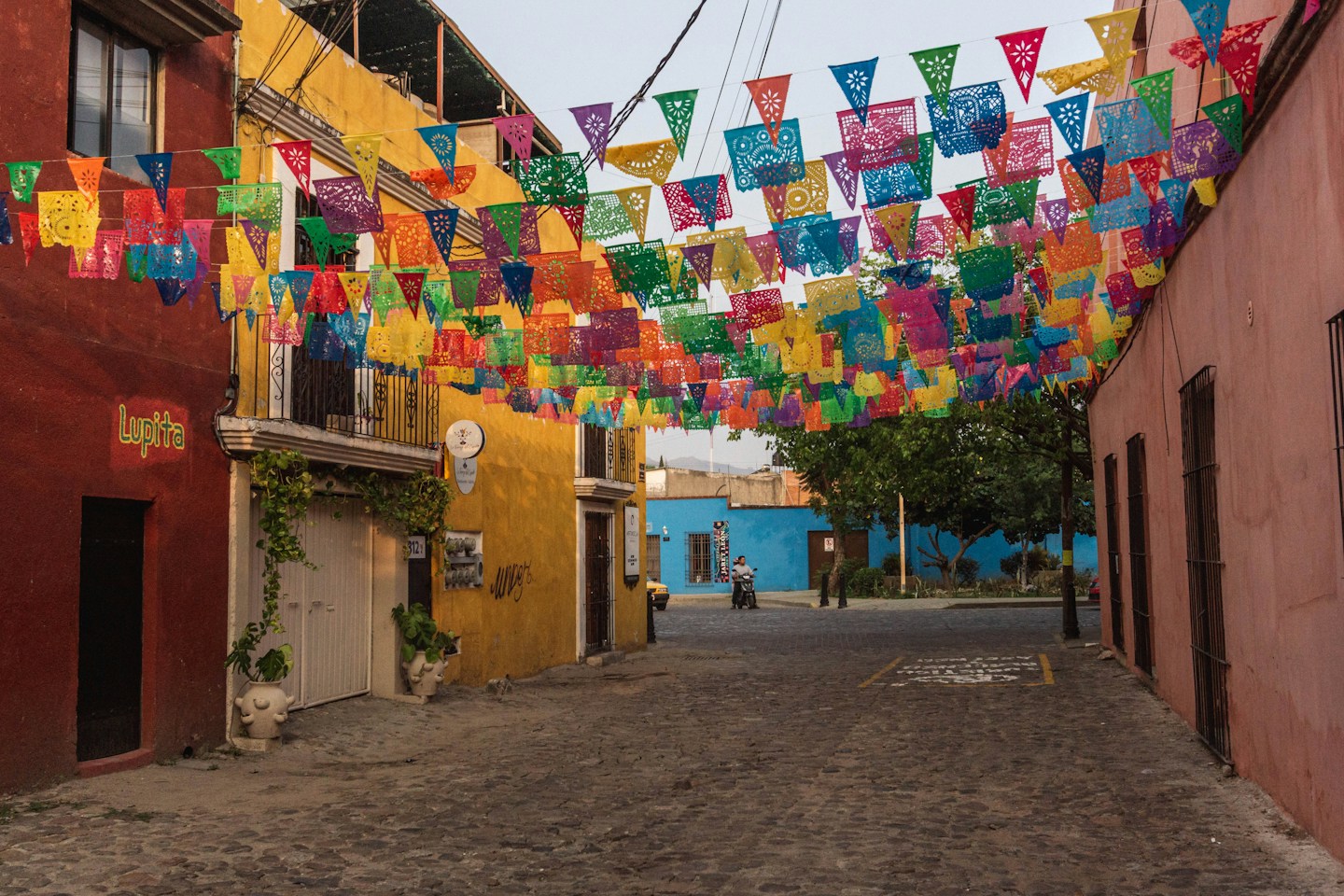
Oaxaca rewards curiosity that extends beyond a plate of food. Pair city markets with cultural collections and community-led workshops, leaving enough time to ask how objects and ingredients are made.
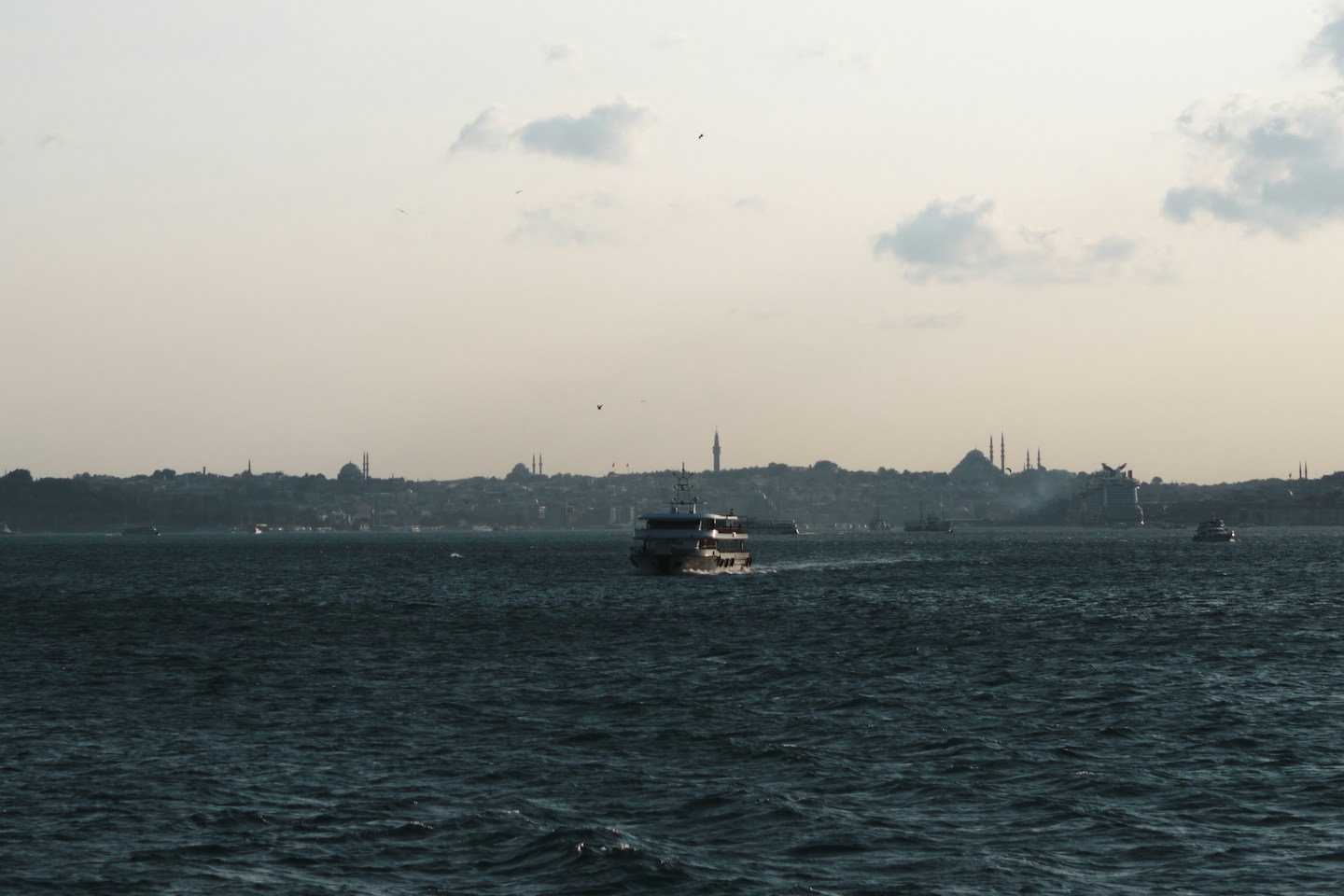
In Istanbul, a ferry can be both a journey and a welcome pause. Organize sightseeing by shore and neighborhood so that crossing the water adds meaning instead of becoming repeated backtracking.
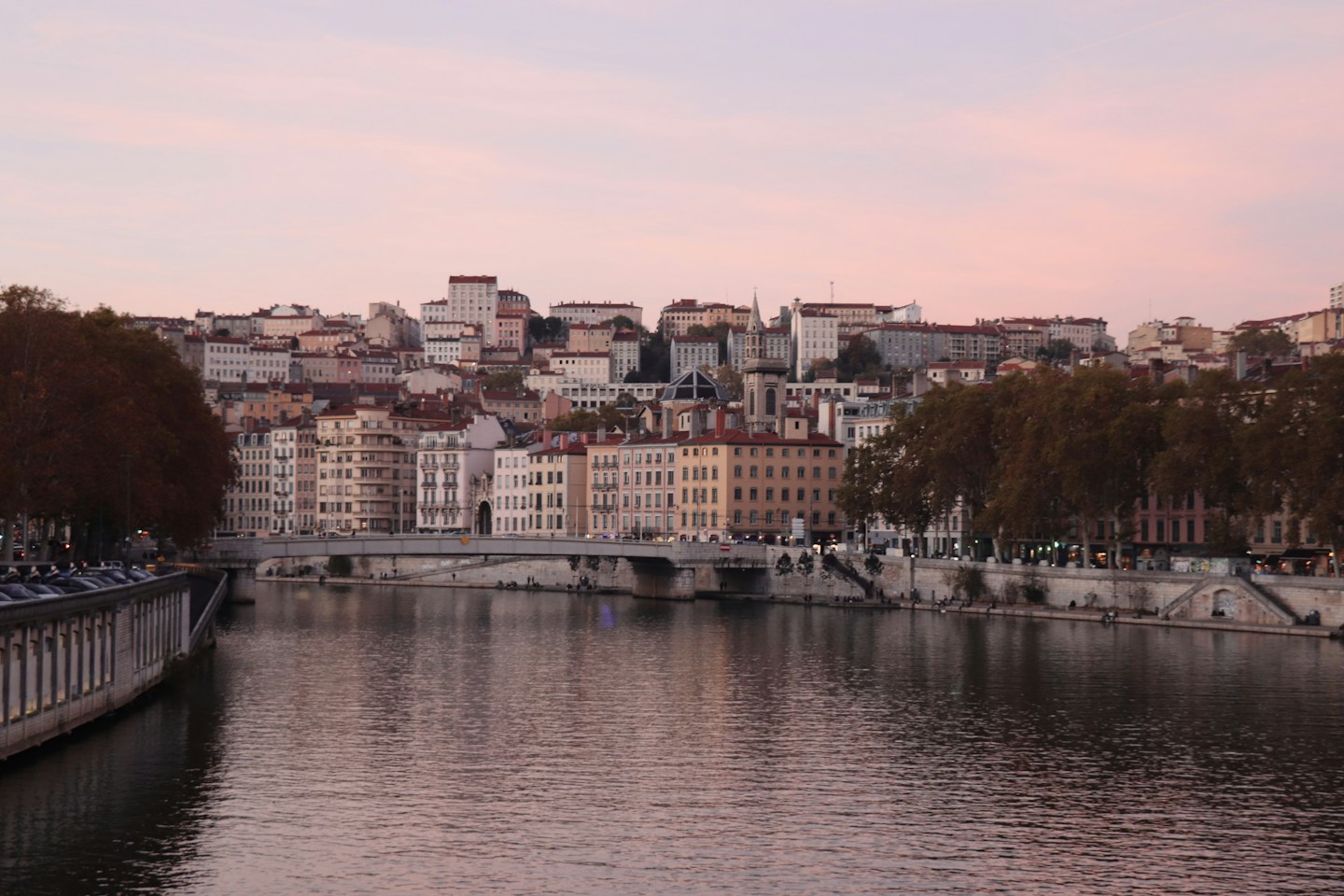
Lyon’s food reputation is a starting point, not the whole itinerary. Connect a market morning with the city’s rivers, hillside neighborhoods and cultural collections to give meals a sense of place.
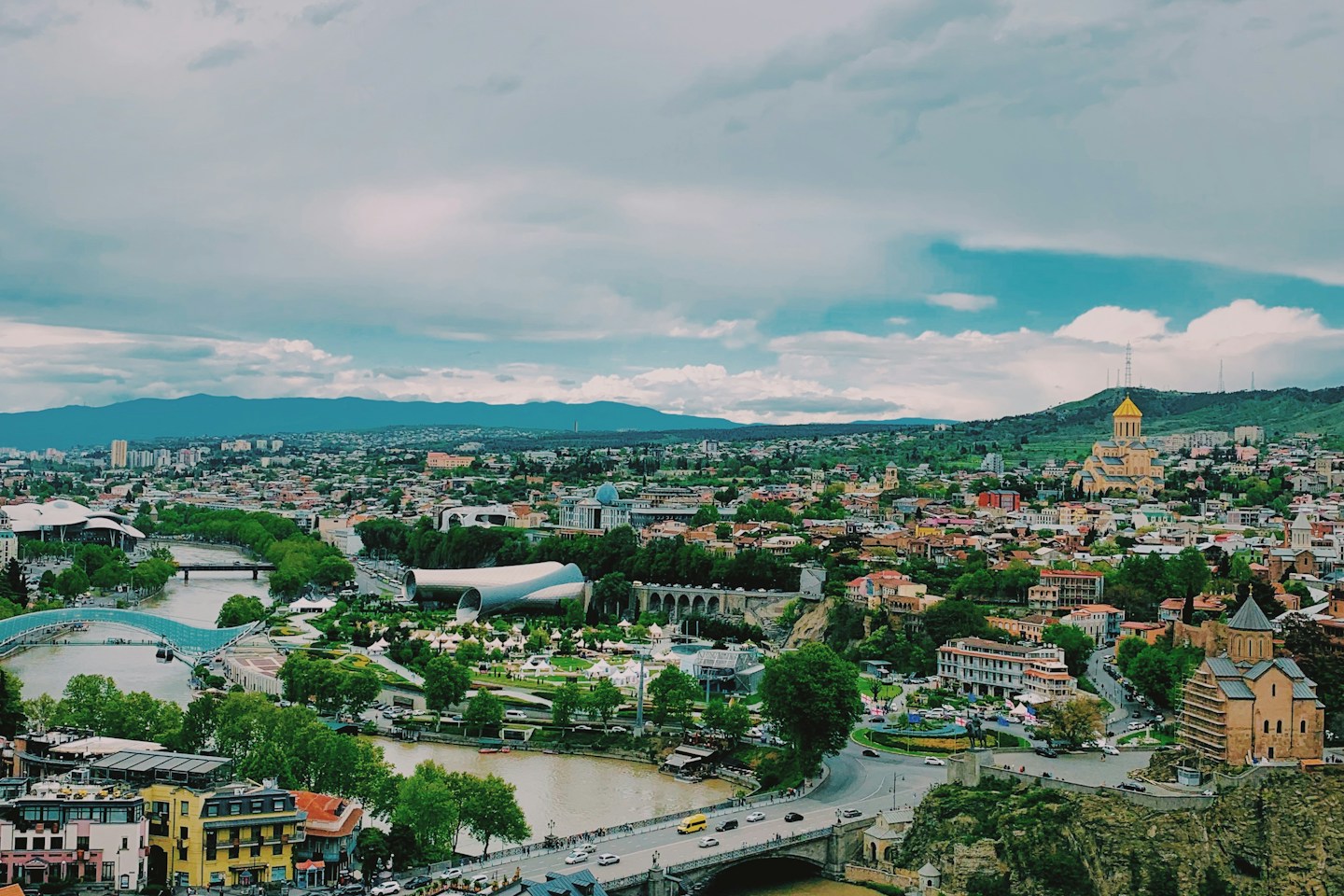
Tbilisi’s compact-looking center contains steep streets, intimate courtyards and several different urban layers. Walk with time for bakeries and cultural stops, while treating private thresholds with care.
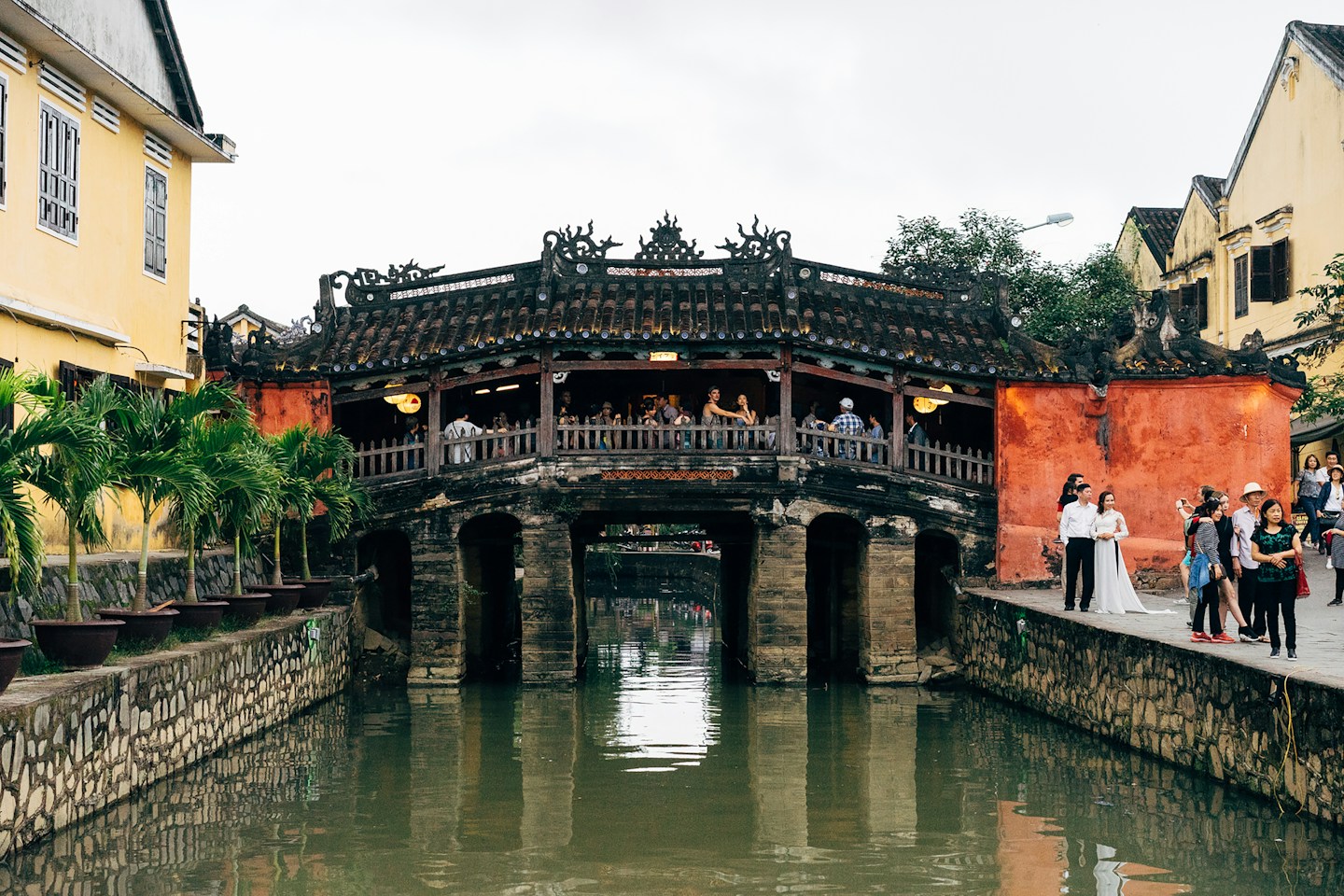
Hoi An’s familiar lantern scenes are only one layer of a small trading-town landscape. Give the historic streets a quieter morning, then connect them with food, crafts and the surrounding countryside.
Fez deserves more than a fast walk behind a guide. Start with the medina’s working geography, make space for craft traditions and choose pauses that allow the city’s layers to become legible.
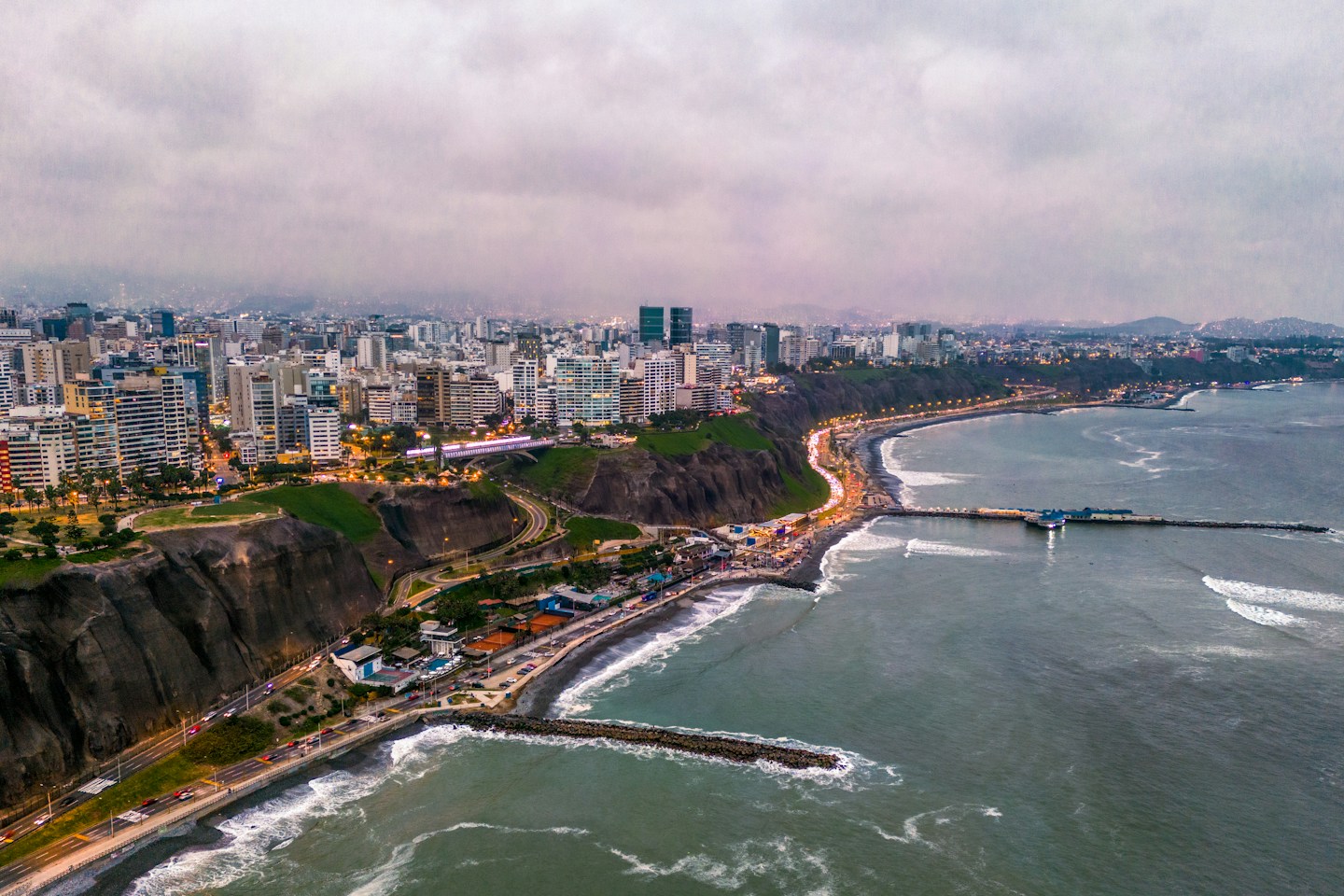
Lima’s coastline provides a useful frame for a food and culture visit. Combine a neighborhood walk with a museum or historic-center outing, while allowing generous time for cross-city travel.
A railway holiday is most comfortable when the timetable supports the places you want to stay. Choose a small number of bases, then use trains for both practical travel and a few deliberately scenic days.
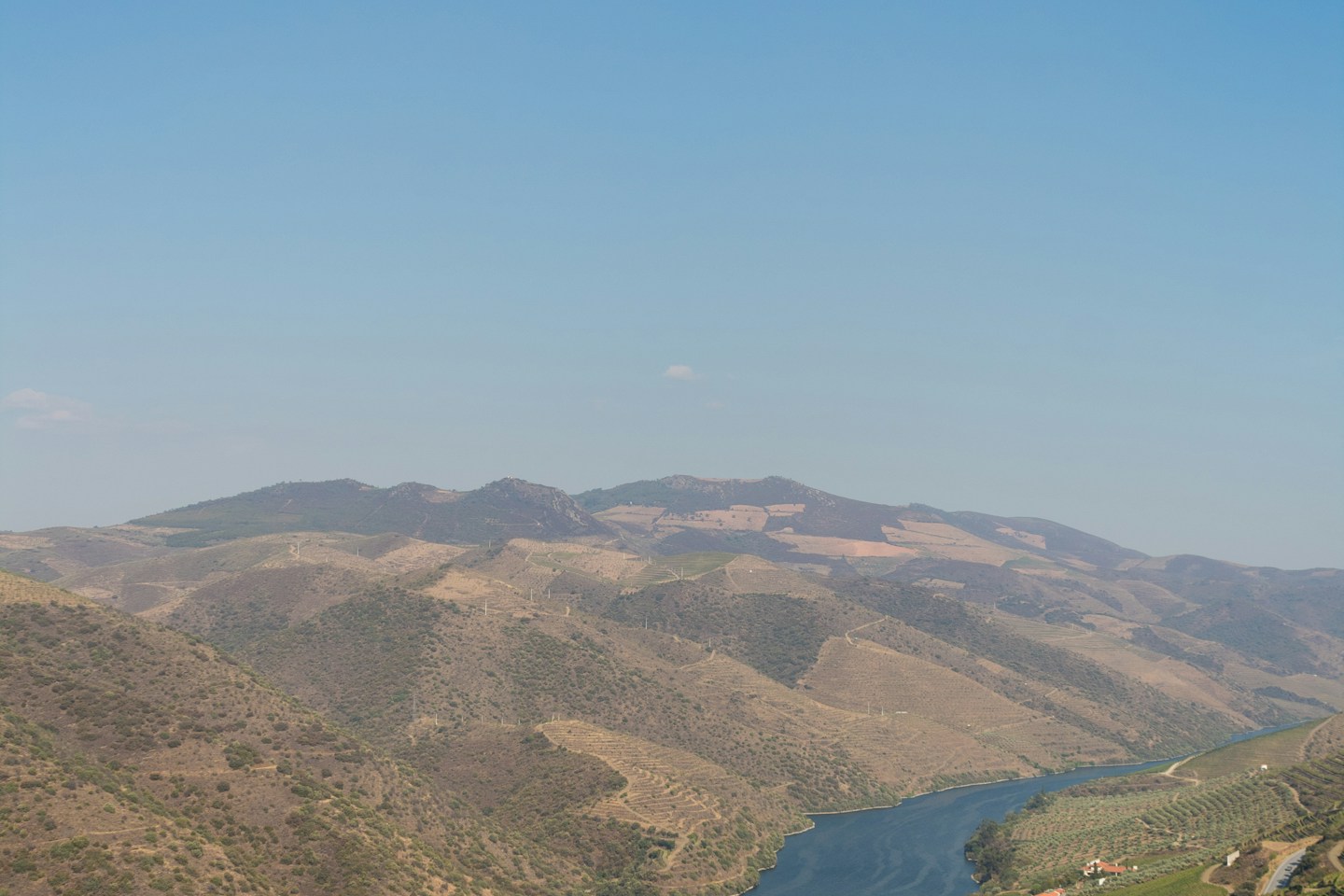
The Douro makes a rewarding rail-centered outing when the river journey is given its own time. Separate the pleasure of the train from any expectation of visiting several distant estates in one day.
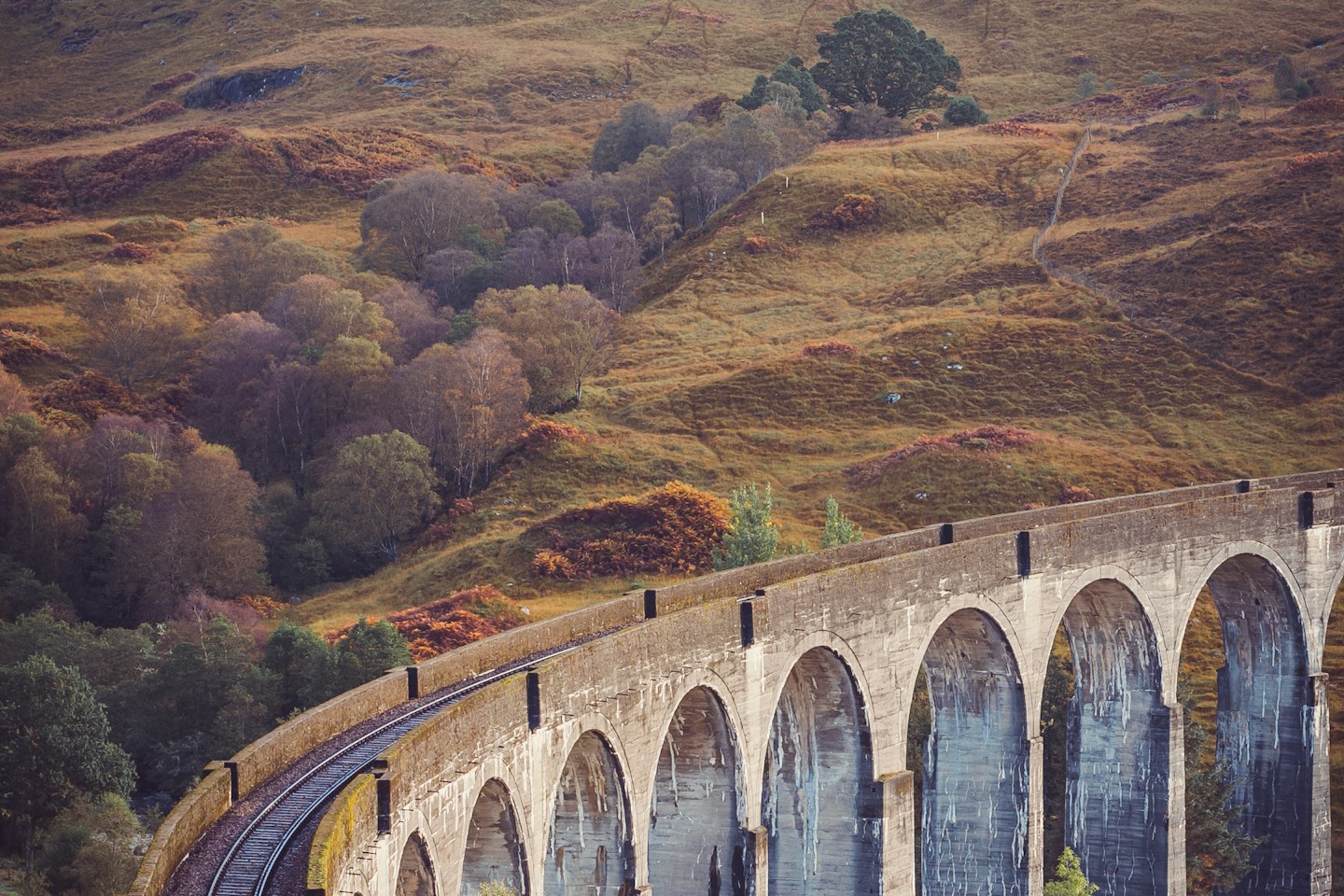
The West Highland Line is best approached as public transport through a changing landscape. Pick the destination for its own appeal, then let the railway connect lochs, moorland and coastal settlements.
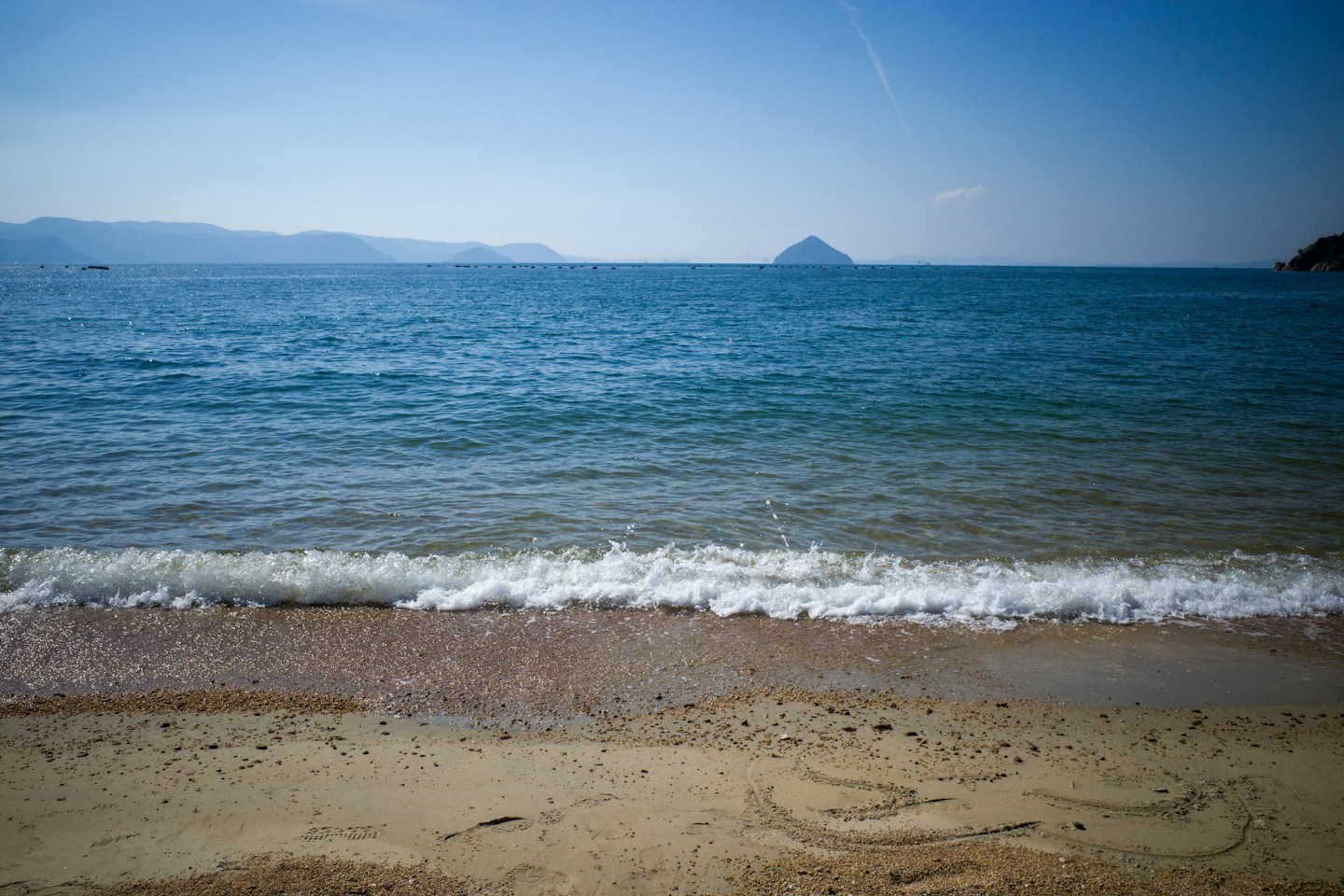
Japan’s Inland Sea rewards a modest island plan. Choose one or two destinations, align ferries with museum opening days, and leave enough margin to enjoy ports as places rather than transfer points.
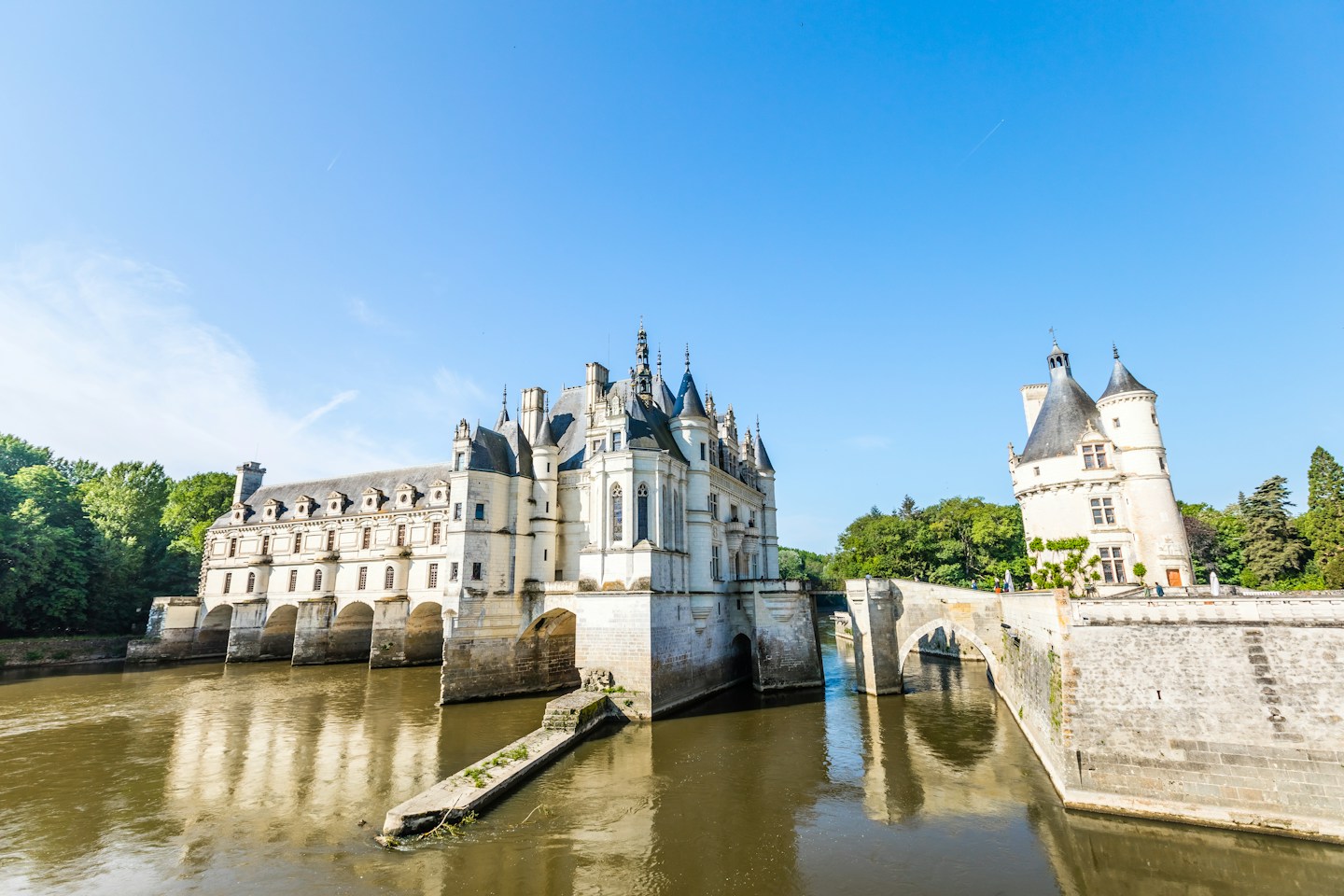
A Loire cycling trip becomes more enjoyable when its scope matches the riders. Choose a manageable section, keep luggage light and balance château visits with the simple pleasure of following the river.
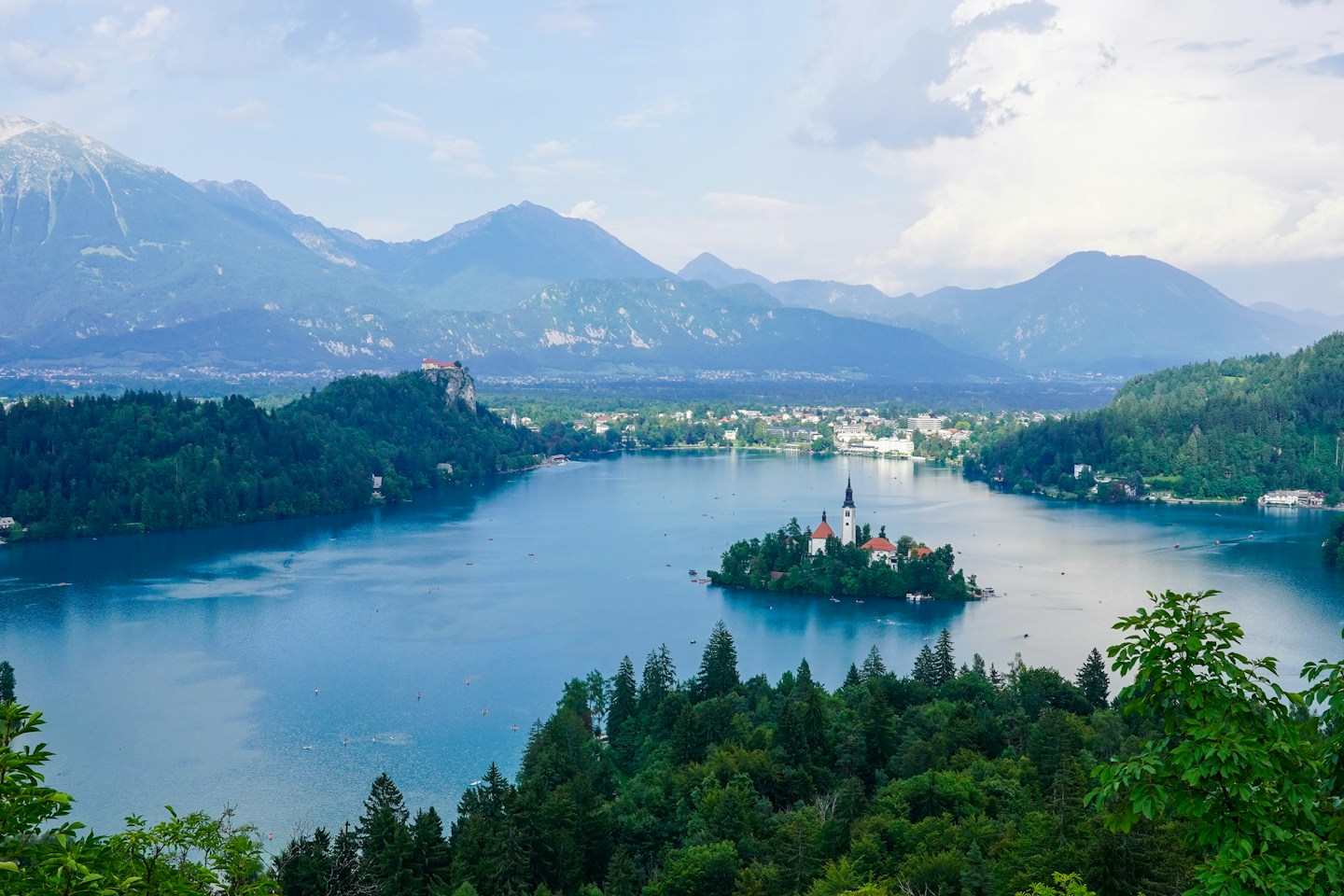
Slovenia’s size can encourage an overambitious route. A bus-based visit works better when city time, lakes and one additional region are connected with generous buffers and fewer changes of accommodation.
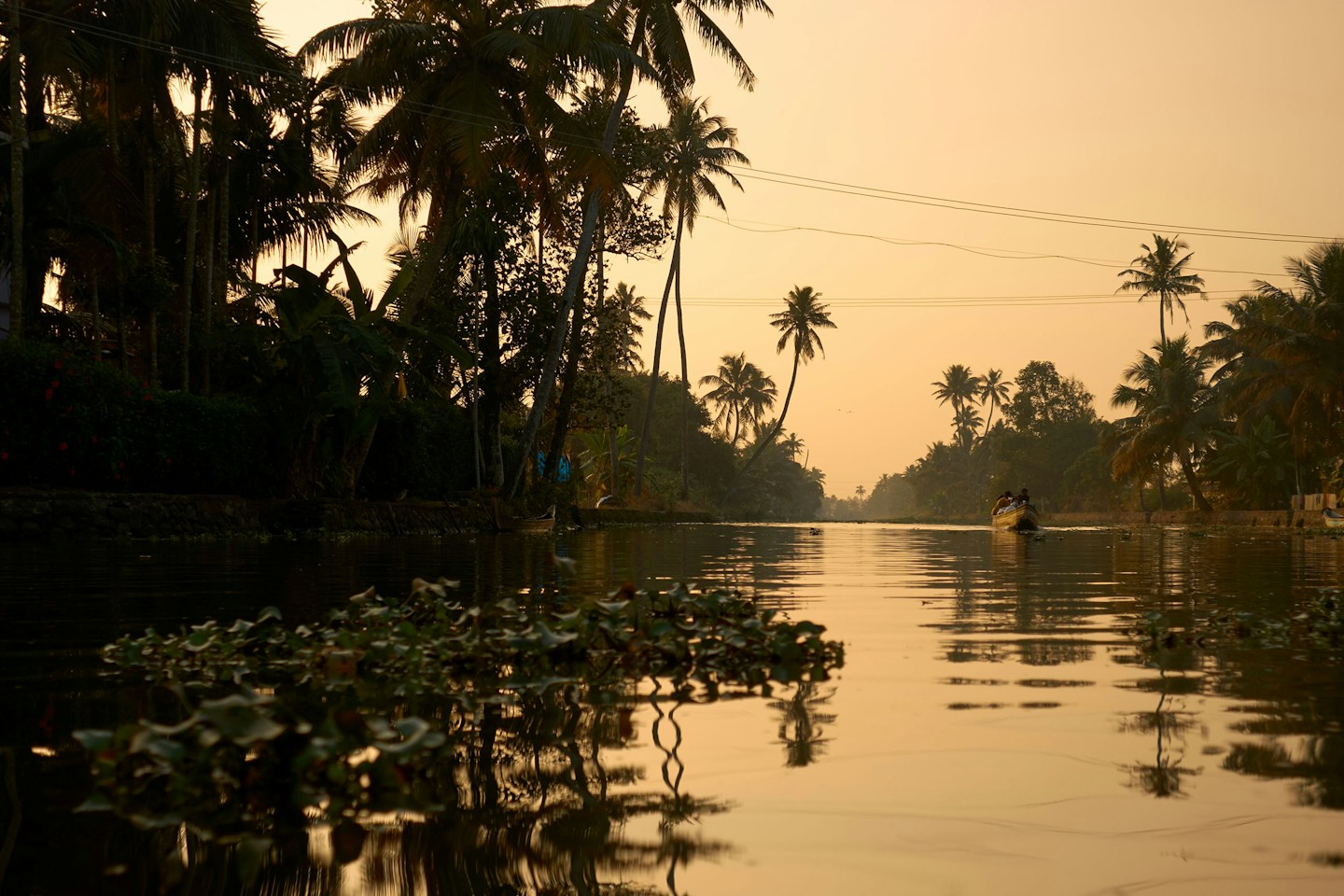
Kerala offers several kinds of slow movement, from local ferries to intercity trains. Connect a few places thoughtfully, and distinguish everyday transport from private leisure trips on the water.
Northern Spain suits a rail trip built around a few substantial stays. Look closely at connection times and rail operators, then let the cities provide the structure for coastal and cultural outings.
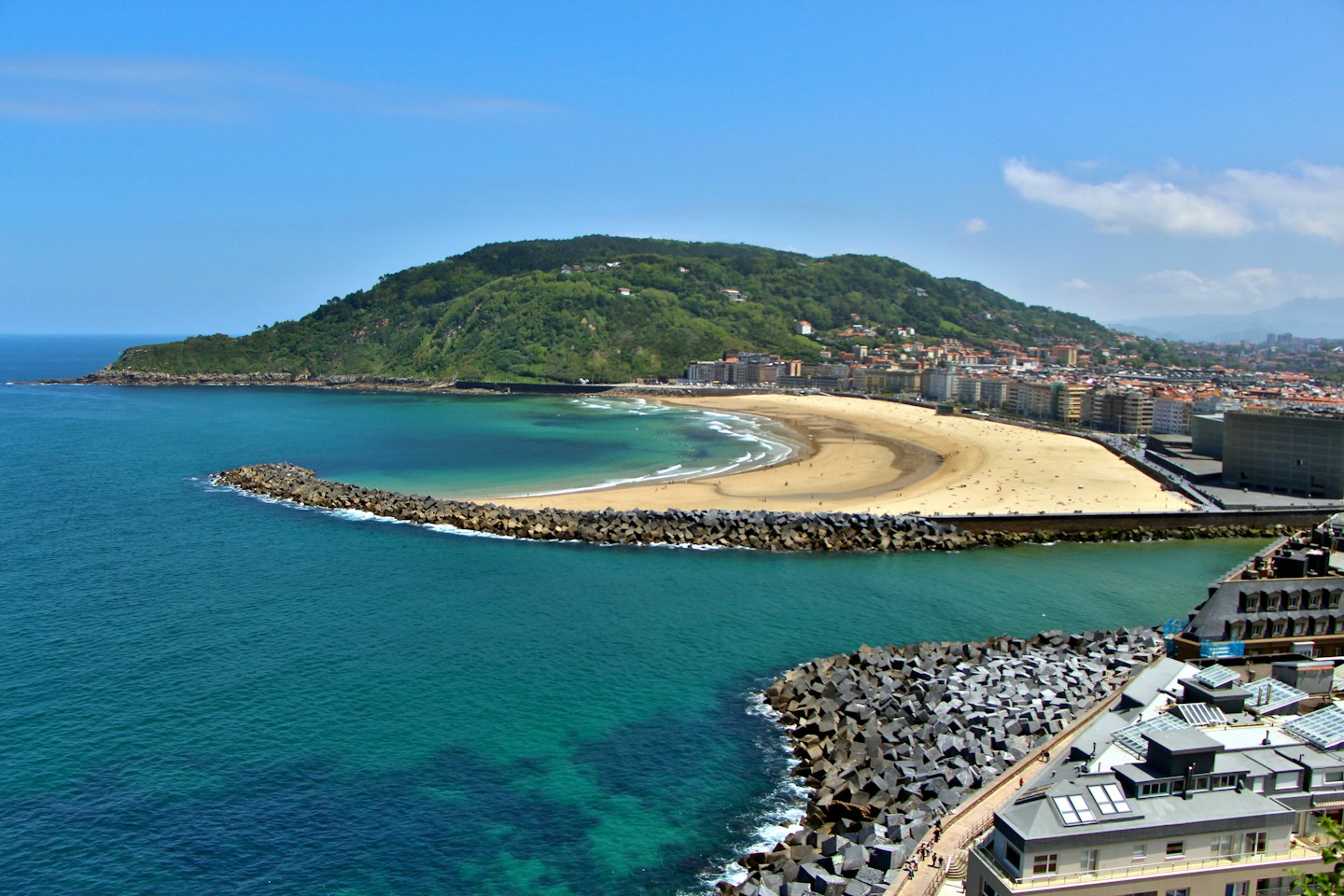
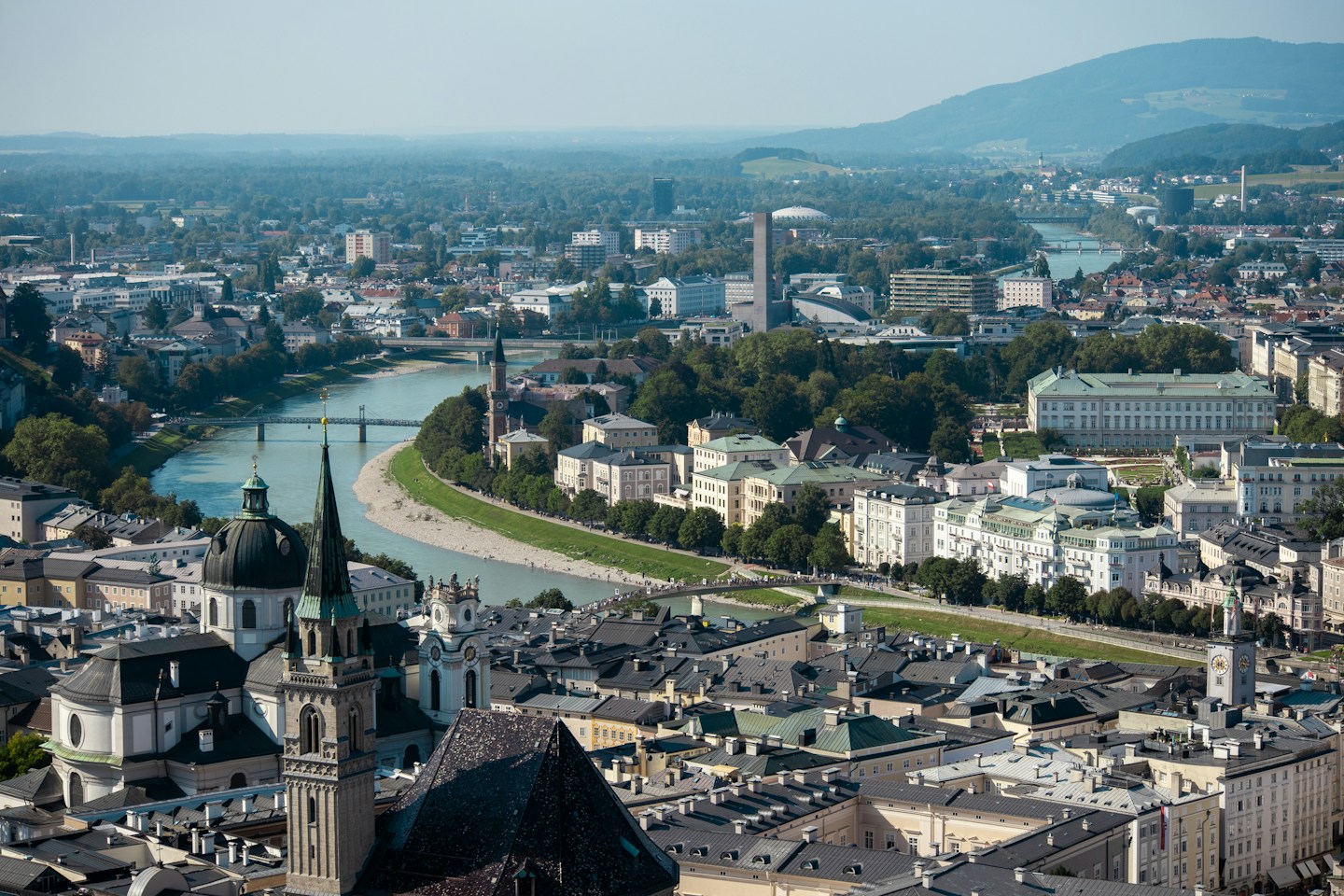
An Austrian rail trip can connect a cultural capital with a slower lake stay. The key is to treat the transfer as part of the holiday and to avoid making every scenic town a separate overnight stop.
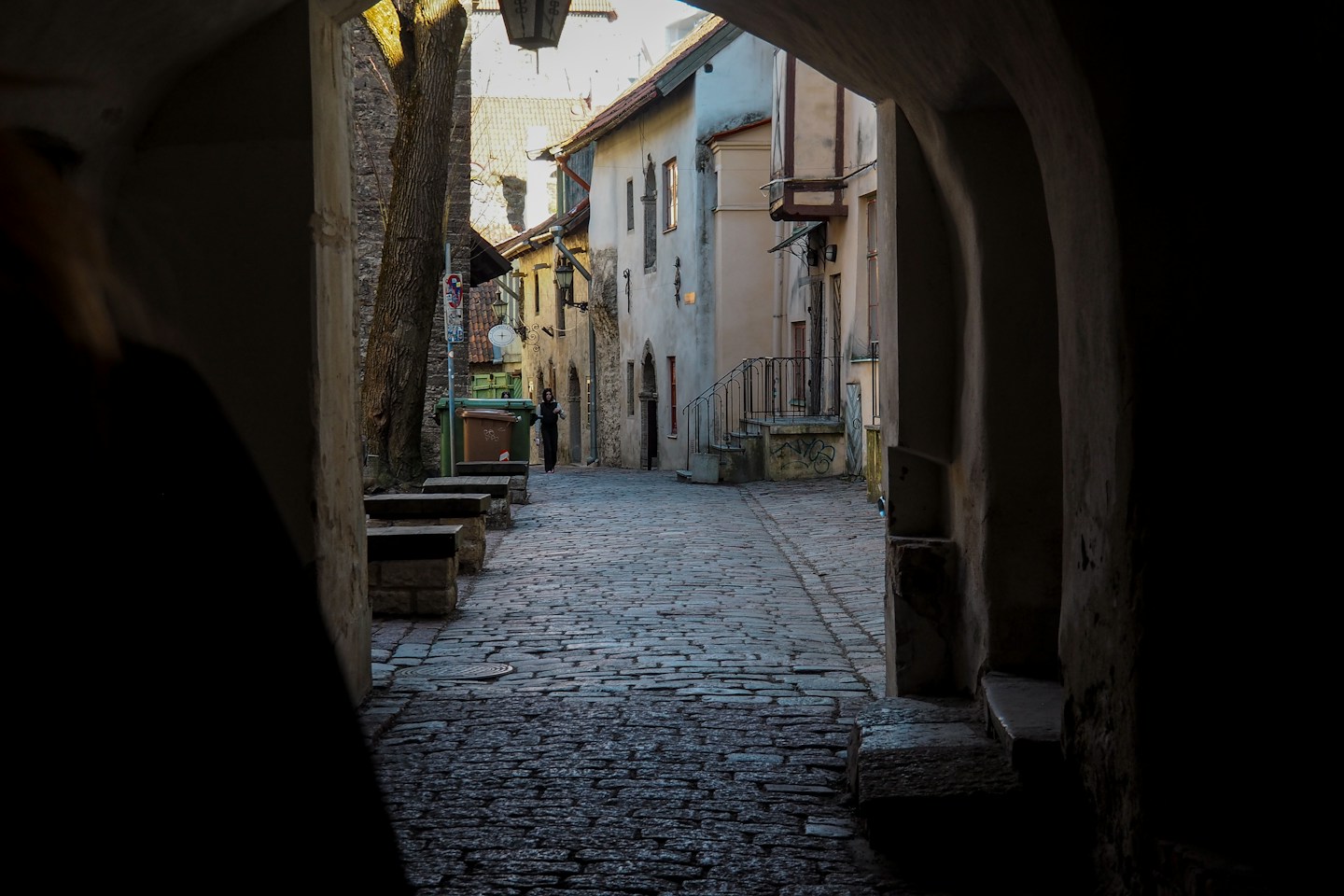
Tallinn, Riga and Vilnius make a natural cultural journey when each city gets more than an arrival evening. Compare current overland options and give the long connections their own space in the itinerary.