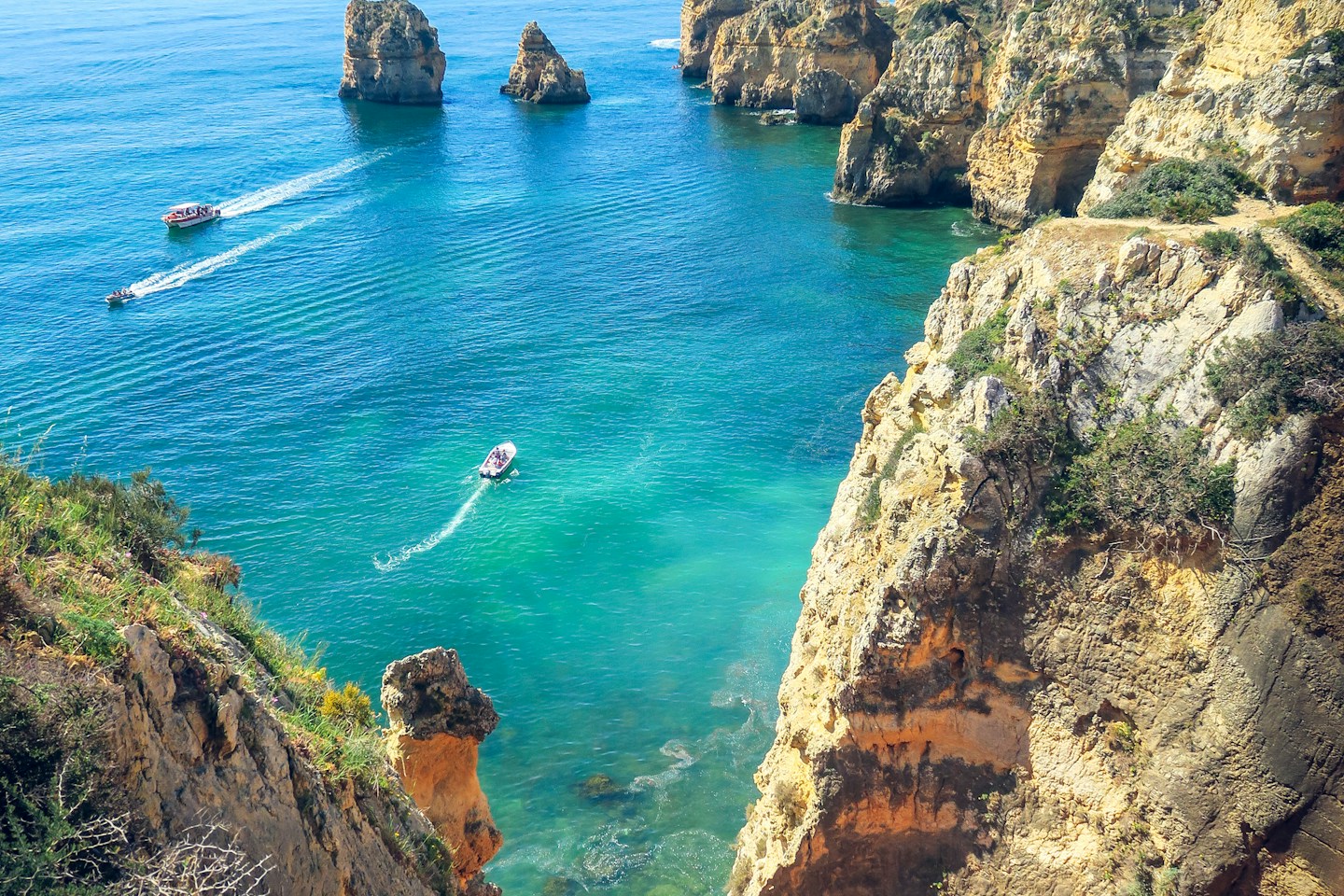
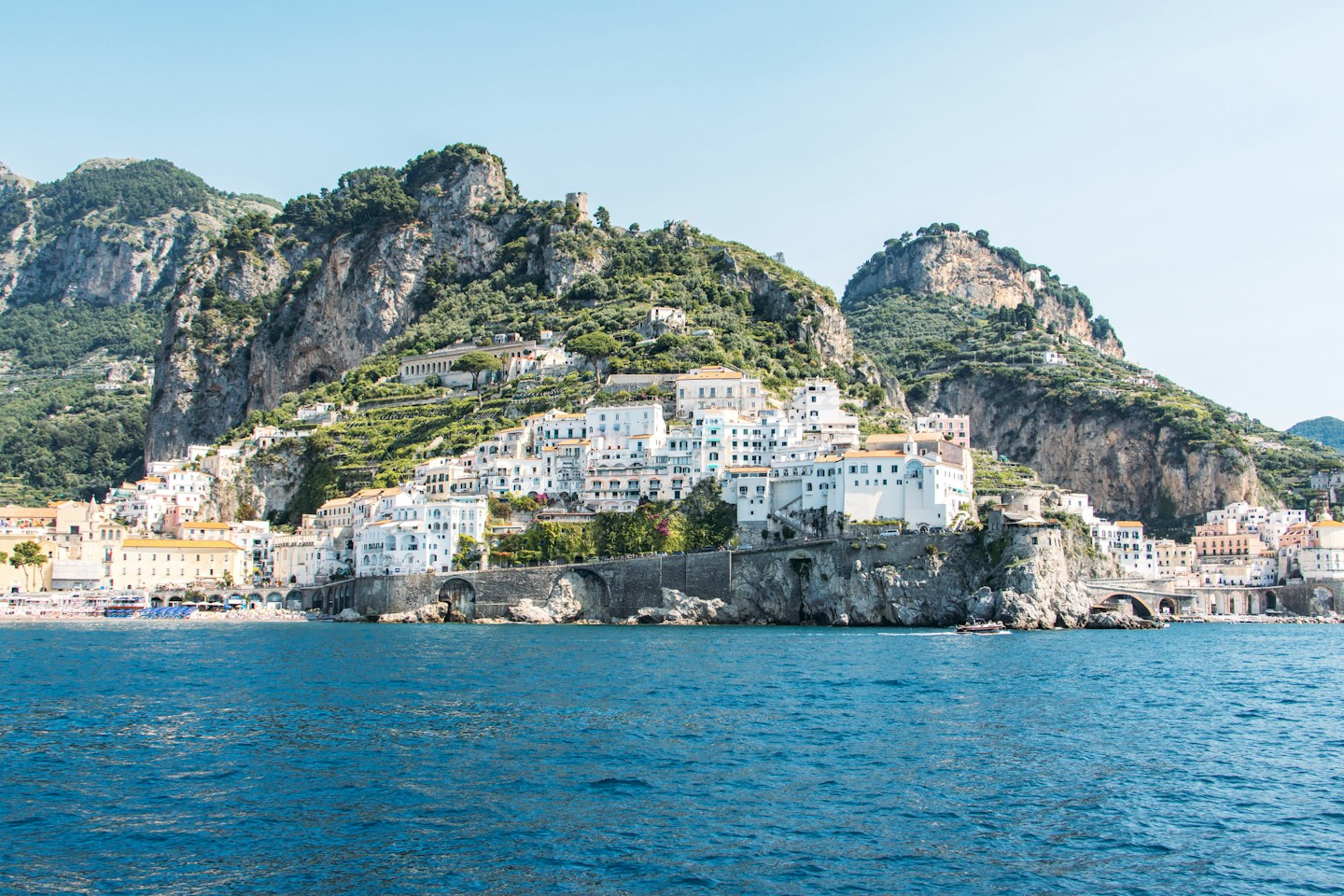
The Amalfi Coast with a realistic sense of distance
On the Amalfi Coast, short map distances can conceal slow transfers and many stairs. Fewer bases and one main outing each day leave more time for the sea and the towns above it.
Inside this story
The Amalfi Coast is a lesson in the difference between proximity and ease. A town across a short stretch of water may take longer to reach by road than expected, while a room above the beach may involve a substantial staircase. The scenery is inseparable from that steep geography. A good visit accepts it early, choosing a base whose daily routines are manageable and giving each outing enough space to absorb delays. The objective is not to avoid movement altogether, but to make movement purposeful. One coastal town, one elevated garden setting or one proper walk can each fill a day without being combined into a test of connections.
- Coastal roads can be slow and should not be timed like straight highways.
- Ravello sits above the shoreline and needs a deliberate transfer plan.
- A village terrace and an unhurried walk can be a complete afternoon.
Ask the accommodation to describe the bags
Before booking a room, request a plain account of arrival: where a vehicle can stop, how far you carry luggage and how many steps or changes of level are involved. An address described as central can be convenient for dinner yet demanding with suitcases. Positano's vertical layout makes this especially important, but the question is useful throughout the coast. Ask about the route from the specific ferry landing or bus stop you expect to use rather than from an unspecified town center.
Then imagine the same route after a full day outside. A lovely elevated view may justify a climb for one traveler and make an ordinary evening difficult for another. Check whether food is available close to the room and whether the property has practical arrangements for guests with mobility needs. Avoid assuming that a porter, lift or shuttle exists unless it has been confirmed. This is not merely a luggage question. The property's relationship to the shore, transport and meals will shape every day of the stay. A room whose access suits the group can contribute more to the holiday than a celebrated balcony reached only through repeated exhaustion.
Make Amalfi useful as well as beautiful
Amalfi can serve as a practical focus for exploring part of the coast, but its usefulness depends on the actual connections during your visit. Check services, landing points and walking routes before treating it as a universal transport hub. Leave arrival time for understanding the town itself. A short orientation between accommodation, transport and food can prevent several later journeys from becoming unnecessarily complicated.
Give the town an afternoon without an onward deadline. Walk through public streets, choose a cultural interior that interests you and leave room for a meal. The coast's towns are more than transfer points between views. Shops, worship, deliveries and everyday movements continue around visitors, sometimes in very constrained spaces. Stand aside when stopping to consult a map and avoid making a narrow entrance the meeting point for a large group. If staying elsewhere, confirm the return before dinner. A practical town visit is not diminished by knowing how you will leave; that knowledge allows you to linger without watching every passing vehicle as a possible missed opportunity.
Use ferries with a land-based understanding
A ferry can turn a transfer into a memorable part of the day, offering an offshore view of the steep coast. It remains a transport service shaped by season, weather and operating decisions. Check the exact route, date and landing point, then understand what the alternative would be if the service changes. A general statement that ferries connect the coast is not enough to support a tight departure or an important reservation.
Keep luggage manageable and allow time to reach the landing, find the correct departure and board without rushing. If someone in the group is uncomfortable on boats, discuss that before the itinerary becomes dependent on repeated sailings. A road alternative may be slower and busier than the map suggests; it should be a realistic option, not a phrase added at the bottom of a plan. Avoid booking an expensive fixed activity immediately after a connection with little margin. When the sea journey operates comfortably, enjoy it as the day's experience rather than using it only to justify another packed town circuit. The time spent moving through this landscape deserves attention in its own right.
Let Ravello remain above the shore
Ravello occupies a different geographical position from the waterfront towns. Treat it as a deliberate uphill transfer with its own walking and return arrangements. Trying to add it casually after a full coastal day can make both places feel abbreviated. Choose the interests that draw you there, check their current visitor arrangements and allow time to experience their setting rather than racing from one entrance to another.
An elevated visit may include slopes and steps even after the vehicle journey ends. Consider the surfaces and the group's energy, particularly in hot weather. A garden or terrace can reward time spent sitting as much as time spent advancing along a route. Notice the relationship between built spaces and the sea below, then give lunch or a shaded break a place in the day. If returning by public transport, establish the stop and useful departures before settling into the afternoon. Ravello is best understood as a different rhythm within the coastal stay, not as another box beside a town whose shoreline you have barely had time to see.
The Path of the Gods is a walk, not a scenic shortcut
The reputation of the Path of the Gods can obscure the basic fact that it is a real hiking route, with uneven ground and exposure. Assess its suitability from current route information, weather and the ability of the least confident participant. Do not infer ease from photographs of people standing still on a broad section. Understand where you will start and finish, what the approach involves and how you will return afterward.
Suitable footwear, water and appropriate clothing should be chosen for the walk rather than for dinner later. Heat can make an exposed route significantly harder, while wet conditions can change footing. If a guide would help the group understand the route and make sound decisions, arrange one through a responsible provider. There is no obligation to undertake the path to claim a complete coast visit. Someone who prefers a short town walk and a terrace afternoon is making an equally valid choice. Groups with different interests can plan separate days, provided communication and meeting arrangements are clear. The important distinction is between selecting an outing because it fits the people and continuing because its name has become a requirement.
Understand the beach before carrying everything down
Small coastal beaches can have varied access and a combination of public space and paid facilities. Check the arrangements that matter to you rather than assuming one beach represents the whole coast. Consider the approach, steps, available shade, toilets and the effort of returning uphill. A short distance from a room may still be a demanding round trip when loaded with towels and supplies.
Swimming decisions depend on the day's conditions and local guidance. The presence of other swimmers is not a substitute for assessment, particularly for children or less confident adults. Keep belongings contained in crowded areas and make sure your chosen place does not obstruct access. A beach visit can be brief: an hour near the water followed by lunch may suit the day better than a long stay in direct heat. It can also be postponed without invalidating a coastal holiday. The sea is present from boats, public promenades and elevated viewpoints as well as from a towel. Choose the form of contact that makes the whole day comfortable, including the climb home.
Dinner has a transport timetable
An evening meal in another town sounds simple until the return becomes uncertain. Before making the reservation, check the last useful service and the route from the restaurant to the departure point. If relying on a private transfer, arrange it clearly and understand the pickup location. Do not assume a taxi will appear promptly at the moment everyone else also wants to leave. Ask about realistic road time rather than timing the journey as if it were a straight highway.
Many evenings are better spent close to the accommodation. A familiar route home allows dinner to take its natural length and removes one more connection from the day. Explain dietary needs directly and ask about preparations rather than relying entirely on a translated dish name. A lighter lunch can make a long dinner more enjoyable, while a substantial midday meal may call for something simpler later. Food should support the coast's slower rhythm instead of creating a new series of transfers. Choosing a nearby table is not a retreat from exploration; after a demanding day of stairs or transport, it can be the choice that makes the next morning pleasant.
Let a terrace afternoon count
A spare afternoon on this coast does not need rescuing with another town. A short public walk, a view from a welcoming café and time to read can reveal the changing light more effectively than another transfer. Choose a place where you can pause without occupying somebody's doorway or a narrow shared route. Notice how the geography determines ordinary life: the direction of stairs, the small spaces for deliveries and the relationship between upper streets and the shore.
Begin broader research with italia.it and confirm actual transport and access with the responsible providers. Keep the final night's location practical for the onward journey, particularly when a flight or long rail connection follows. The coast's beauty does not cancel the effort of moving through it. Once that effort is acknowledged, the visit can become much simpler: fewer departures, more time in the places reached and enough flexibility to accept weather or delays without losing the day. The most convincing itinerary may leave several famous names untouched while giving one town, one hillside and one stretch of sea a clear place in memory.
A few practical questions
How should accommodation location be checked?
Ask for the exact luggage route from the expected arrival point, including steps and vehicle access. Repeat the question for the everyday route to meals and transport.
Can the coast be enjoyed without the famous hiking route?
Yes. Town walks, suitable public viewpoints, cultural visits and sea journeys provide different experiences. Choose walks for ability and current conditions rather than reputation.
For current destination information, access guidance and local updates, visit the official Amalfi Coast travel resource. Check transport and attraction details directly before booking.
This is a general planning guide, not a live conditions report. Found something that needs updating? Send a correction.