Naxos beyond the beach towel
Naxos makes room for two kinds of island day: an easy coastal morning and a slower journey inland. Give both space, and avoid using a ferry arrival as the start of a packed itinerary.
Inside this story
Naxos supports two holidays that are easily crowded out by each other. One follows the western shore, with swimming, sand and evenings near the harbor. The other turns inland toward villages, cultivated ground and a landscape whose scale becomes clearer away from the beach strip. A rewarding visit lets both exist without forcing them into the same hurried circuit. Begin by deciding where you want ordinary mornings to happen, then organize a few deliberate excursions from that base. The island is large enough that the choice matters, particularly when buses, summer heat and an onward ferry all influence what a comfortable day looks like.
- Naxos Town combines harbor life with an old-town walking area.
- Bus schedules shape what is possible without hiring a vehicle.
- A final night near the departure port can simplify an early ferry.
Give arrival permission to be small
A ferry arrival is a transition, not free sightseeing time waiting to be filled. Allow for finding the accommodation, carrying bags and recovering from the journey before making plans that depend on punctuality. If the room is not ready, agree on luggage arrangements and choose somewhere comfortable for a meal. A short harbor walk can introduce the island without requiring you to decode transport or navigate unfamiliar lanes while tired. The first day's purpose is to make the following morning easy.
Naxos Town offers a useful introduction because its harbor and old-town streets bring transport, everyday commerce and visitor activity close together. Yet closeness on the map does not mean that every property has simple vehicle access. Ask about steps and the final walk with luggage. Decide whether being beside the action matters more than quiet, or whether a coastal base suits the stay better. There is no need to make that decision according to somebody else's ideal island image. A practical arrival and a room whose location matches your habits create more lasting ease than an ambitious first afternoon.
Read the old town in short passages
The old town rewards walking without a rigid route, but aimless exploration is more comfortable once you have a few reference points. Begin with a clear connection back to the harbor and expand gradually into the lanes. Notice the relationship between busy commercial passages and quieter residential spaces. An attractive doorway can be somebody's entrance, and a staircase leading upward may not be a public route. Give people space to move through the place rather than stopping a group across a narrow passage.
Short walks at different times reveal more than one long circuit undertaken in the strongest heat. Shops open and close, streets find shade and the harbor's working rhythm changes. Pair a walk with one purposeful stop, such as a cultural visit or a meal, then let other discoveries remain optional. When photographing, look for compositions that do not require stepping into private corners or pointing a camera closely at a resident without asking. Old-town detail becomes richer when you observe how buildings are used, rather than treating their surfaces as an empty set. Return routes also become familiar, which makes independent wandering later in the visit less stressful.
Visit the Portara with the weather in mind
The Portara provides a strong visual landmark, but its waterfront setting makes conditions part of the outing. Wind and footing deserve attention, and the walk should be approached with suitable shoes rather than treated as an extension of a seated harbor meal. Check local guidance and remain within public access areas. If the approach feels uncomfortable for anyone in the group, the landmark can still be appreciated from another permitted position without turning the visit into a test.
A celebrated sunset can encourage everyone to arrive with the same expectation at the same time. Consider whether a quieter visit in different light would fit your interests better. The structure's relationship to sea, sky and town is visible outside the narrow photographic moment usually reproduced online. Allow time to look back toward the harbor and understand how the place sits in the town's geography. Keep shared passages clear while taking pictures and avoid climbing or leaning on historic fabric. The experience gains depth when it includes setting and material as well as the familiar outline. One landmark, seen carefully, can give the day a focus without requiring a sequence of other monuments afterward.
Choose a beach by the return journey
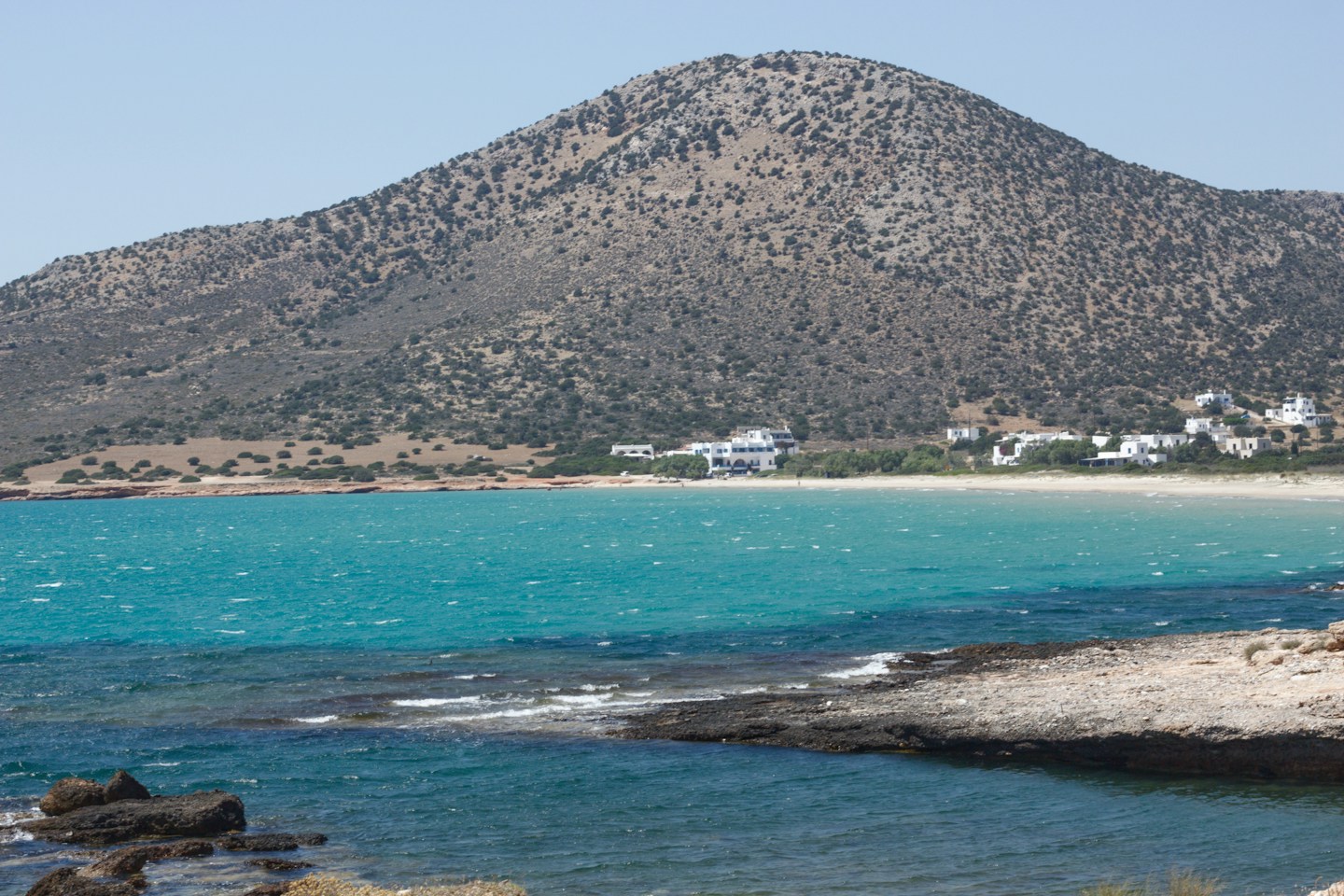
Western beaches differ in their services, access, atmosphere and exposure. A useful beach choice begins with the group's actual needs: shade, toilets, food, swimming confidence and willingness to walk carrying supplies. A remote-looking stretch may be a poor fit for somebody who needs frequent breaks or easy transport home. Conversely, a more serviced beach may be the right place to spend a genuinely relaxed day. Popularity is neither a guarantee of suitability nor a reason to dismiss a place automatically.
Check bus arrangements or parking rules for the exact beach, then plan how you will leave before settling in. The journey back often comes when people are hottest and most tired. Carry sufficient water, use sun protection and assess swimming from conditions and local guidance rather than the color of the sea. Wind can alter comfort substantially even when the forecast seems favorable. If it is unsuitable, change the afternoon rather than move repeatedly along the coast in search of a photograph's conditions. A beach morning followed by a shaded meal and rest can be a complete island day, leaving enough energy for the town after the heat eases.
Let an inland village become the destination
Halki, Filoti and Apeiranthos give the inland map useful reference points. The national tourism introduction identifies Apeiranthos with marble-paved lanes, a material distinction worth noticing alongside the broader village setting. Halki and Filoti offer other possibilities for a focused inland visit, but their appearance together on a regional page is not a reason to race through all three. Select according to the transport and the interests you want time to pursue. One village with a full meal and a slow walk can explain more about the interior than a succession of brief parking stops. The official overview provides context at visitgreece.gr.
An inland excursion deserves more than a rapid sequence of village names. Choose one or two places that connect sensibly by your available transport and allow enough time for an ordinary walk and a proper meal. Read the timetable before leaving the coast, especially if the return service limits how long you can remain. A hired vehicle offers flexibility but also creates parking responsibilities; leave narrow lanes and access to homes clear rather than trying to drive to the exact point shown in an image.
In the village, slow down enough to notice the relationship between the built area and surrounding land. Food, stone, shade and the rhythm of local work can make the island's interior feel quite different from its shore. Avoid assuming that every visible church, courtyard or workshop welcomes visitors at all times. Ask politely and accept a closed door without trying a second entrance. Lunch can be the center of the outing rather than a quick refueling stop between sights. A conversation about what is available that day, with patience for language differences, offers a more grounded encounter than collecting several short stops designed only to prove that you left the beach.
Make food part of the geography
Eating in different settings helps distinguish the harbor, the coast and the interior without turning every meal into an elaborate quest. Choose places along the day's real route, then ask what they prepare and how a dish is served. Do not assume that a familiar name implies the same ingredients everywhere. Travelers with allergies or dietary requirements should communicate clearly and confirm understanding rather than rely on a translated menu alone.
A leisurely lunch inland may call for a simpler evening near the accommodation. A beach picnic needs carrying capacity, water and a plan to remove every piece of waste. Breakfast before an early departure requires checking what is actually available, not assuming a café will open because the port is busy. These small arrangements allow food to support the rhythm of the visit. They also prevent the common pattern in which an attractive outing is spoiled by hunger, a missed bus and a search for dinner after everything feels urgent. The most useful meal recommendation is often geographical: somewhere comfortable close enough that you can enjoy the food without watching the clock for a difficult return.
Keep one day that can move
A flexible day is particularly valuable on an island. Wind may change the appeal of a coast, a bus connection may make an inland outing more convenient on another date and a ferry disruption can reshape arrival or departure. Avoid reserving every activity before understanding the local rhythm. Keep one substantial interest available that does not depend on marine conditions, and one easy outing close to your base for a day when the group needs rest.
This does not mean leaving all practical questions unanswered. Confirm the important transport and accommodation arrangements, then preserve freedom within them. It helps to separate a fixed commitment from the walk or meal surrounding it: one booking does not require every hour of that day to be scheduled. Families and mixed-ability groups can benefit from mornings together and different afternoon options, provided meeting arrangements are clear. Naxos offers enough variety that nobody needs to repeat another person's preferred pace all week. The best spare time is usable time, supported by a comfortable base, basic supplies and confidence about how to return home.
Finish within reach of the ferry
The last night should reflect the importance of the onward journey. A scenic distant room may be worth the transfer during the stay but less convenient before an early sailing. Consider whether a final night nearer the port would reduce uncertainty, and confirm the actual journey with the accommodation. Leave enough margin for collecting bags and reaching the correct departure point. A ferry connection should not depend on the most optimistic possible version of every earlier step.
Use the official destination resource, visitgreece.gr, for broader orientation and check specific services with their operators. Ferry schedules and bus arrangements need current confirmation. On the final afternoon, return to a favorite place instead of chasing the one outing that never fitted. A familiar lane or harbor table can make the island feel coherent after days divided between shore and interior. The lasting impression may be the contrast between them: a bright beach morning followed by a village meal, or a busy waterfront seen after a quiet inland day. Giving each setting its own time is what allows that contrast to become meaningful.
A few practical questions
Is a vehicle necessary for every Naxos visit?
No. A well-chosen base and suitable current bus connections can support a rewarding stay. Check specific inland and beach journeys before choosing accommodation or committing to an outing.
Should every day include both a village and a beach?
There is little advantage in forcing that pattern. Separate days usually allow more time for meals, rest and transport margins, especially in hot weather.
For current destination information, access guidance and local updates, visit the official Naxos travel resource. Check transport and attraction details directly before booking.
This is a general planning guide, not a live conditions report. Found something that needs updating? Send a correction.