Okinawa at island speed
Okinawa is an island region, not a single beach. Decide whether a trip will focus on the main island or include another island, then build transport and weather flexibility around that choice.
Inside this story
Okinawa begins with an island decision. A stay on the main island is different from a trip that adds another island, and the difference is not merely one more hotel on the itinerary. Flights or ferries introduce new weather exposure, transfers and packing, while the main island itself contains meaningful distances between urban Naha and more distant coastal areas. Choose the geographical scope first, then let the trip move at a pace that makes sense within it. Okinawa has regional history, food and contemporary life as well as marine scenery. Those interests should hold their own place in the holiday, particularly when the sea is not cooperating.
- Naha offers an urban base with food streets and regional history.
- Beach flags and local advice matter more than calm-looking water.
- A rainy-day cultural visit keeps the itinerary useful when marine activities are canceled.
Start with an island, not a resort image
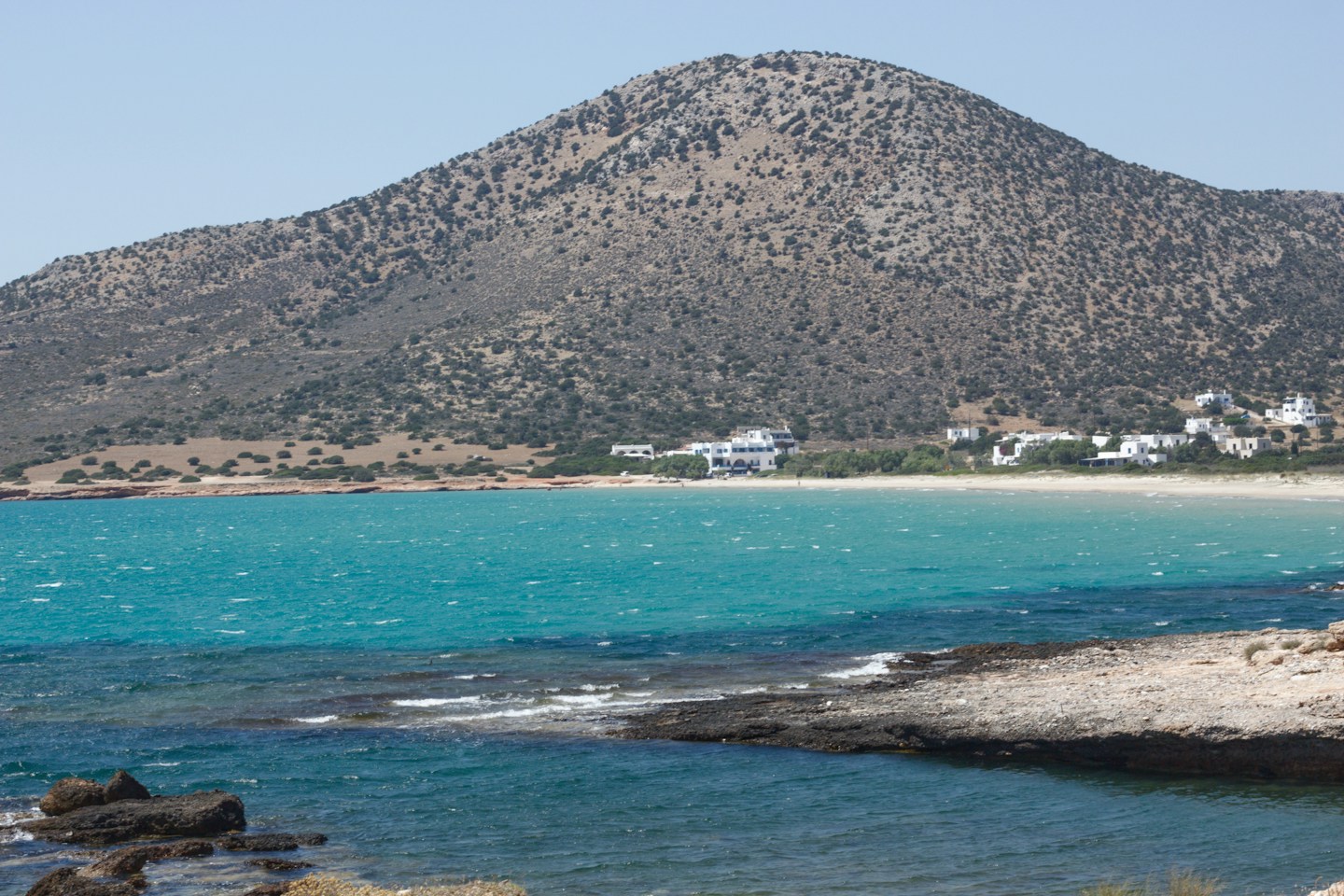
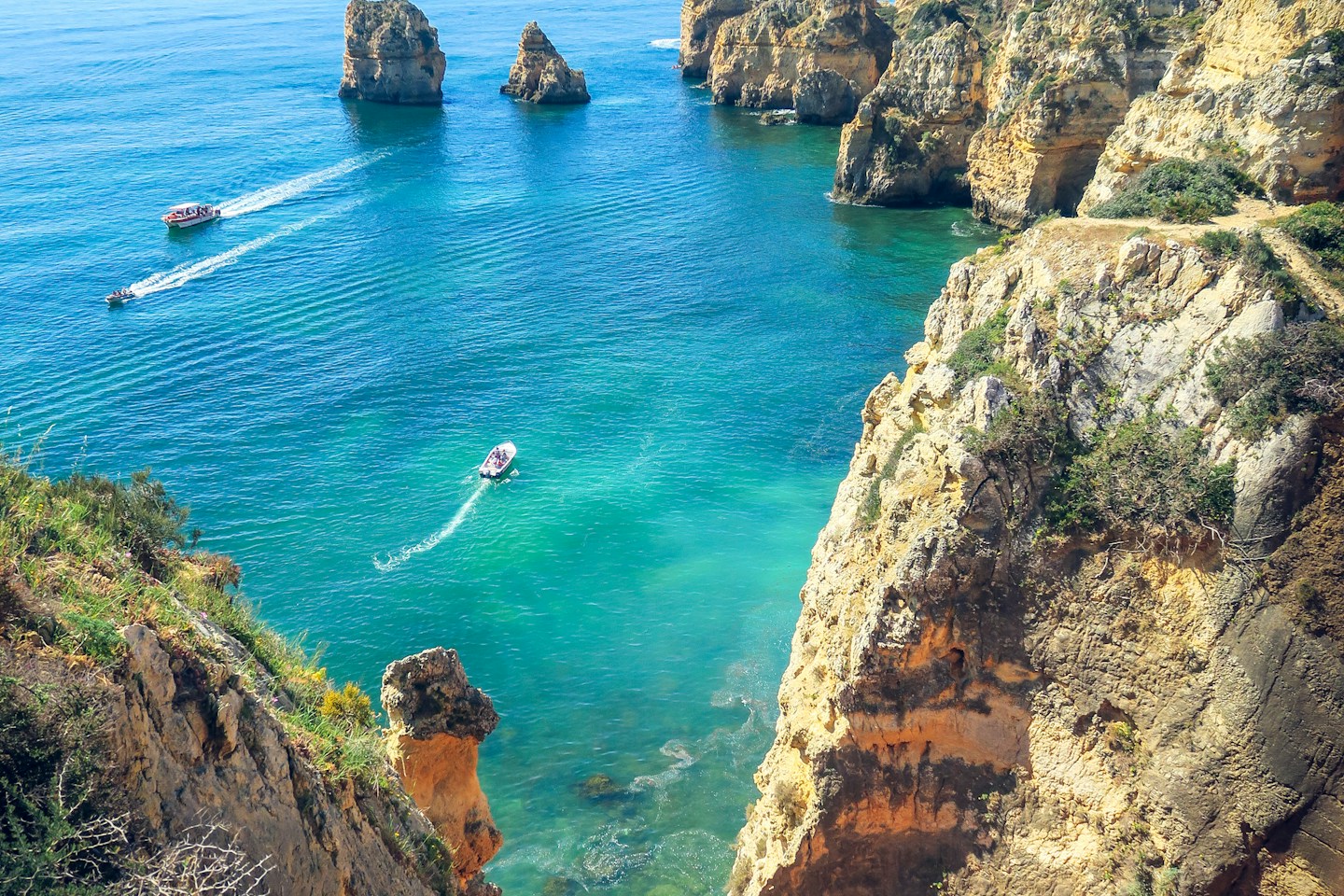
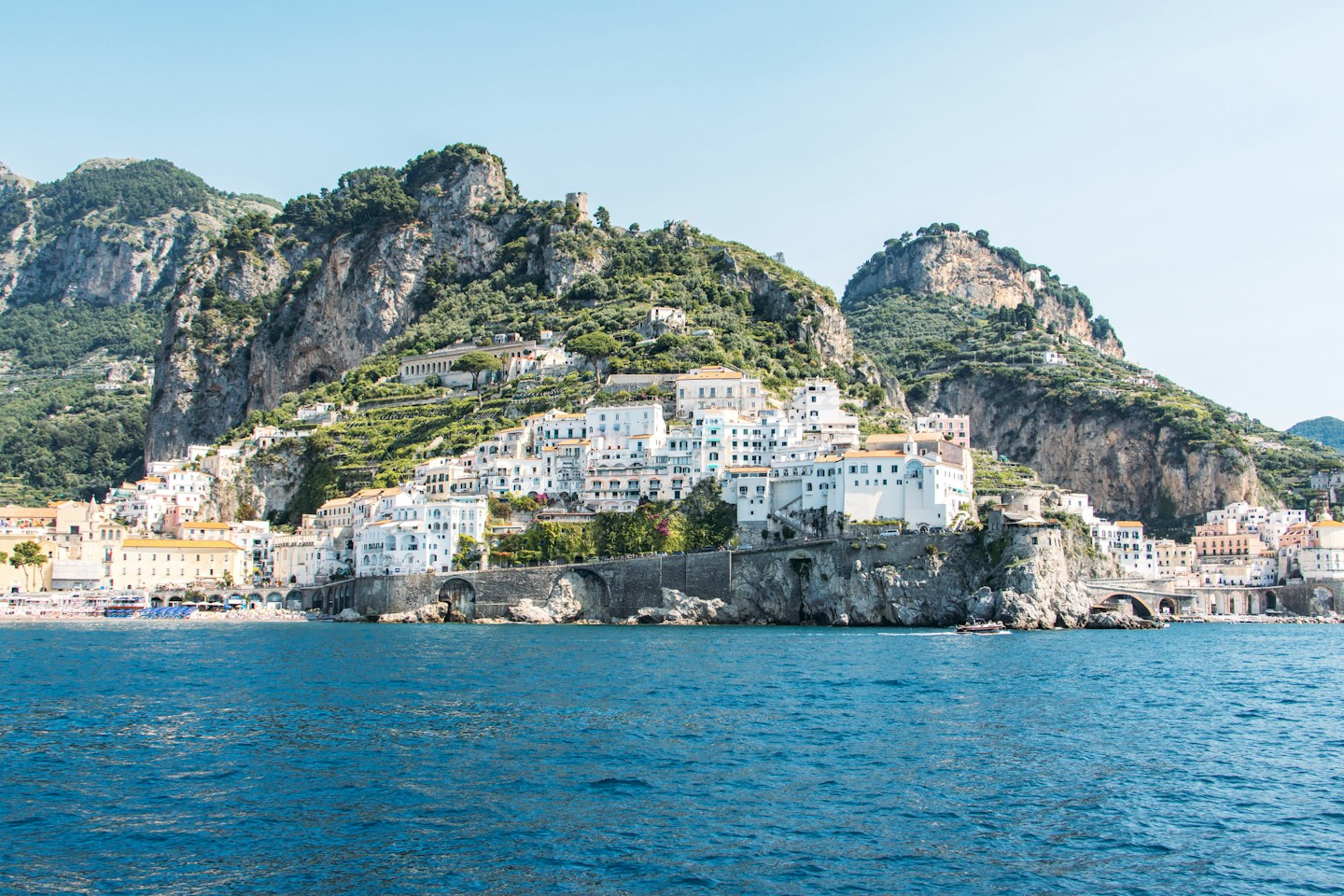
A photograph of clear water may have been made far from the airport or accommodation you are considering. Identify the actual island and coastline behind the image before treating it as the promise of a general Okinawa booking. Decide whether the priority is a settled main-island stay, a particular smaller island or a carefully paced combination. Each option can work, but each requires a different relationship with transport and contingency time.
For a short visit, reducing the scope often increases the useful time outside. A second island means checking out, carrying luggage and reaching a departure point, then repeating the arrival process at the other end. Include those hours when comparing itineraries. If marine activities are important, ask how the chosen base supports alternative dates and what happens when conditions cancel an outing. Keep the final connection to the onward flight conservative, especially if it depends on inter-island travel. The purpose of choosing fewer places is to give each one enough weather flexibility and attention, rather than make the trip hinge on an uninterrupted sequence of perfect transfers.
Let Naha be an urban destination
Naha offers food streets, regional history and the practical density of an urban base. Give it a day when you are not simply passing through with bags. Begin with a small area, choose a cultural stop and allow time for a market meal or ordinary neighborhood walk. The city provides a different encounter with Okinawa from a resort stay and helps establish context for what appears elsewhere on the island.
Public transport can be useful within the urban area, but its convenience should be checked for the actual accommodation and intended outing. Include the walk from the stop, luggage access and the return after dinner. A property described broadly as being in Naha may still require additional transfers for your routine. When exploring food streets, observe where to order, how seating works and whether an establishment has its own expectations about purchases. Ask politely when uncertain. Urban time becomes most rewarding when it is treated as participation in a working city, with space for residents and businesses, rather than as a quick shopping interval before the supposedly real island experience begins.
Read Shuri through the Ryukyu Kingdom
Okinawa's cultural history differs from the generic resort image often used to introduce it. The official tourism history explains how the Ryukyu Kingdom developed through trade with China, Korea and Southeast Asia, with Shuri central to its political world. This background makes architecture, objects and regional traditions more intelligible. A visit focused on Shuri is an opportunity to connect those relationships rather than merely photograph a symbolic structure. The official overview is useful preparation: visitokinawajapan.com.
Check the current arrangements for the specific places you want to enter. Heritage sites can have restoration work, changed visitor routes or other restrictions, so old photographs should not be used as access information. Let interpretation guide the visit and allow time to distinguish what survives, what has been reconstructed and how the history is presented. Do not assume that every sacred or residential space near a recognized landmark is public. A respectful visit can include learning why a place matters without entering every part of it. That perspective gives later experiences of food, craft and neighborhood life more depth, connecting them with historical exchange rather than treating them as decorative regional variations.
Place the north on its own day
Northern main-island outings involve meaningful road distances from Naha. Plot the full journey, including the final approach, parking and return, before grouping several coastal attractions together. A large list of nearby-looking pins can disguise a day spent mostly in a vehicle. If the north is a central interest, consider whether a base there would serve the trip better than repeated long excursions from the south.
Travel with a realistic meal and rest plan. An early start does not eliminate fatigue, and a scenic drive still requires a driver who has enough reserve for the return. For public transport, confirm the exact service and any connections; coverage outside the main urban area should not be assumed from the convenience of travel within Naha. Choose one principal outing and let other stops remain optional. A coastal afternoon with time to sit and look can reveal more than a rapid sequence of attraction entrances. The main island's variety becomes easier to appreciate when its distances are acknowledged rather than compressed into a single ambitious loop.
Coral viewing begins with restraint
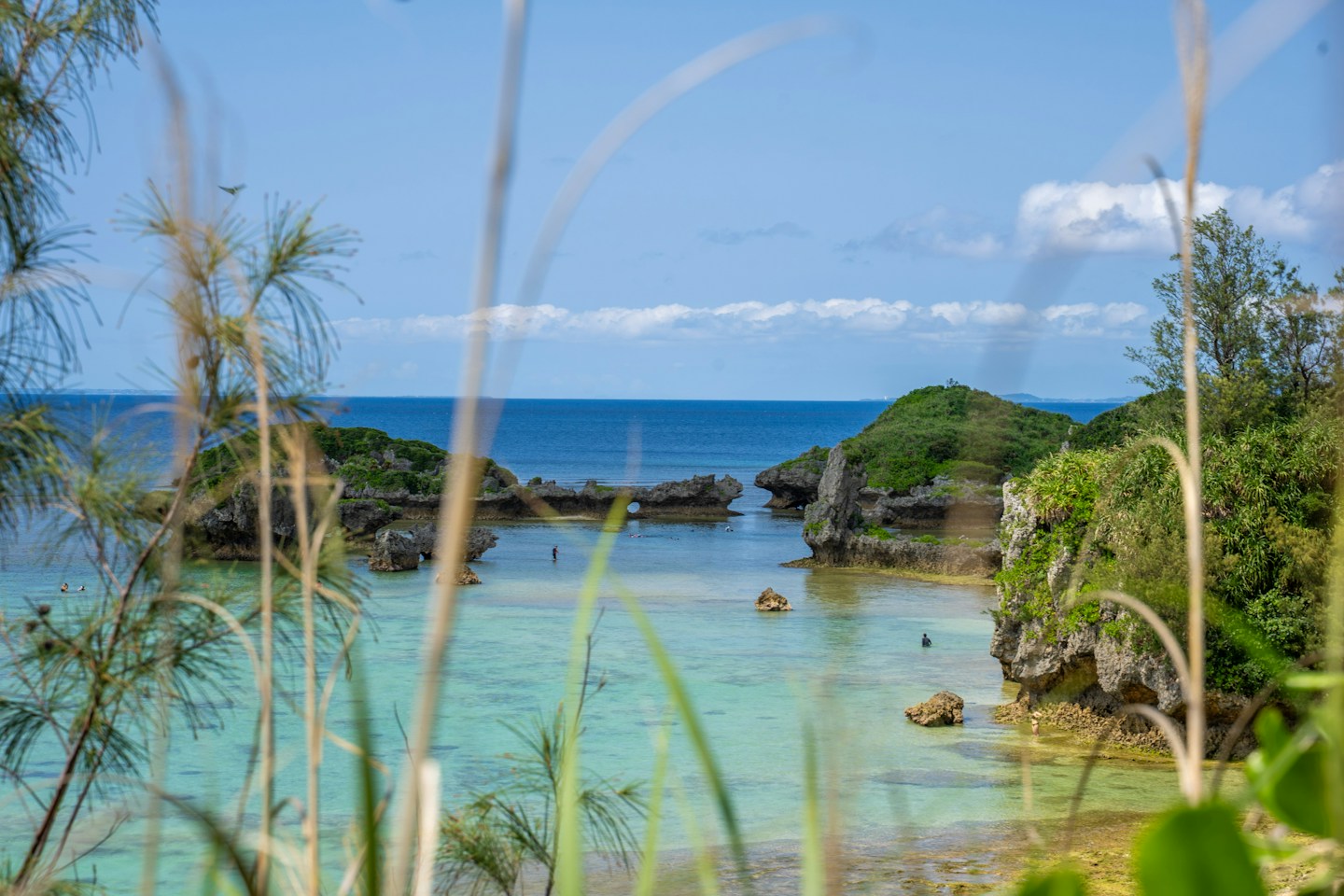
Marine scenery deserves a form of attention that leaves it intact. Do not touch or stand on living coral, and follow the guidance of a responsible operator for any snorkeling or other water activity. Ask about the excursion's suitability, supervision, equipment and the conditions under which it will be canceled. A confident swimmer still needs to understand an unfamiliar setting, while a novice should not be pressured to join because the water looks gentle from the beach.
Beach flags and current local advice matter more than surface appearance. Use designated access and keep children within an appropriate level of supervision. If the planned activity is canceled, do not seek an informal substitute that ignores the reason. A museum, town walk or regional meal can be a complete day, and another marine opportunity may arise later. Photography should remain secondary to safe behavior and habitat protection. The most satisfying water experience is one in which the participant understands enough to move carefully, observe without handling and return without having treated the marine environment as equipment for a personal image.
Make heat visible in the timetable
Tropical heat changes the effort involved in an otherwise modest walk. Carry water, plan shade and build seated breaks into the day before anyone becomes uncomfortable. An itinerary that alternates short outdoor sections with interiors or meals often works better than one long exposed circuit. Consider the needs of older travelers and children when estimating distance; the same route can impose different demands on different people.
Do not reserve the strongest heat for the one activity with no easy retreat simply because the morning was spent traveling. Arrange the sequence so that the most demanding outdoor portion occurs under suitable conditions, with local advice guiding the choice. Keep a flexible alternative close to the accommodation for a day when energy is lower than expected. Rest can be part of island speed rather than a failure to exploit the trip. A shaded afternoon and an evening meal may produce a more attentive visit than an extra distant stop reached by everyone in silence. The goal is to remain interested and comfortable enough to notice the setting, not merely endure it.
Find regional character at the table
A market meal can introduce regional ingredients without requiring an elaborate restaurant program. Begin by looking at how ordering and seating work, then ask what is being prepared. Avoid assuming that every unfamiliar ingredient has a direct equivalent in a dish you already know. A short conversation about preparation can be more useful than ordering solely from a photograph. Explain allergies and dietary requirements clearly and confirm understanding, especially where sauces or shared cooking surfaces are involved.
Leave enough appetite and time for the meal itself. Constant snacking can make a food-centered day less coherent than one deliberate lunch followed by a walk. In an urban base, choosing dinner nearby also reduces the temptation to make another cross-island journey after a demanding outing. Food provides an everyday context for the broader historical connections encountered at cultural sites, but individual meals need not carry the burden of representing the entire region. Let them be particular: what this establishment makes, how people use it and how it fits the day's route. That is often where a destination begins to feel less abstract.
Give bad weather a worthwhile role
Inter-island transport and marine activities can be affected by weather, so preserve margins around essential connections. Confirm current information with the operator and understand changes before leaving the accommodation. Keep important belongings and documents organized for a revised plan rather than burying everything under beach equipment. A fixed onward flight should influence how close to the departure point you spend the final part of the trip.
Begin official planning at visitokinawajapan.com and use its regional distinctions to refine the scope rather than expand it endlessly. Identify cultural visits that genuinely interest you and check their current arrangements. A rainy day can then add context rather than simply fill a gap. Okinawa becomes a richer destination when Naha, Ryukyuan history, regional food and marine environments each receive appropriate time. The island decision made at the beginning remains important to the end: a manageable geography gives weather room to change the order of experiences without unraveling the holiday. That flexibility is what allows island speed to become a practical rhythm rather than merely a phrase.
A few practical questions
Should a short Okinawa visit include several islands?
Only if the transfers serve a clear purpose and leave adequate margins. A focused stay can offer more useful time and greater weather flexibility.
What should happen when a marine excursion is canceled?
Follow the operator's decision and choose an appropriate land activity. Keep cultural interests in the itinerary from the start so that the alternative feels worthwhile.
For current destination information, access guidance and local updates, visit the official Okinawa travel resource. Check transport and attraction details directly before booking.
This is a general planning guide, not a live conditions report. Found something that needs updating? Send a correction.