Porto from the river up
Porto’s river views are memorable, but the climb away from the water is part of the experience. Organize the city as a sequence of levels rather than a flat walking loop.
Inside this story
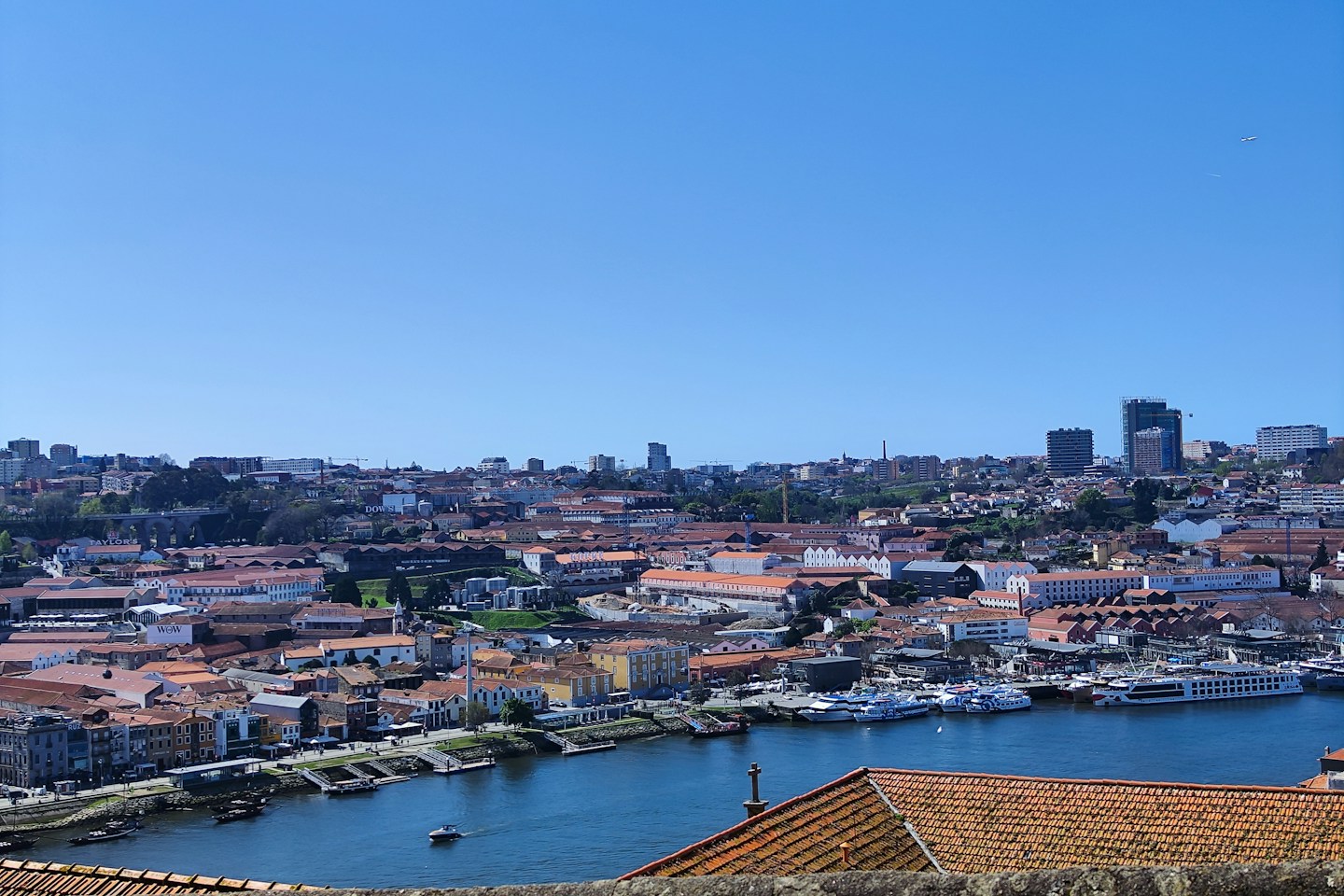
Porto's river is the visual anchor, but the climb away from it defines much of a visit. Ribeira sits below substantial parts of the center, and a room that appears close to the water may demand a meaningful ascent on every return. Think of the city as a sequence of levels rather than a flat walking loop. That change in perspective makes it easier to combine architecture, food and the Douro without quietly exhausting the afternoon.
A short stay works best when it gives the river and the upper streets different periods of attention. One outing can descend gradually toward Ribeira and finish with a planned return; another can focus on a collection or the Atlantic-facing Foz area. The famous views then belong to a city with an intelligible shape, rather than a series of scenic stops linked by unexplained flights of steps.
- Ribeira sits at the river edge below much of the central city.
- São Bento station remains a transport space as well as an architectural stop.
- A short visit benefits from choosing one indoor cultural stop rather than collecting queues.
Choose a base through its final approach
Before booking accommodation, inspect the exact walk from a useful transport stop. Central is a broad description that reveals little about gradients or stairs. Ask about steps inside the building too, particularly when carrying luggage or traveling with someone who needs level access. A beautiful room can be a good choice, but its daily approach should be understood. The relevant distance is the one you will actually walk, with bags or after dinner.
Consider where you are likely to eat in the evening. A convenient neighborhood restaurant can make the base feel settled and reduce late climbs after a full day. If the room is above the river, decide how often you want to return between outings. A midday rest may be practical, or the geography may favor remaining in one area until dinner. Either arrangement can work when it is chosen deliberately instead of discovered through fatigue.
Keep arrival simple. Store bags, learn the nearest useful connection and take a short orientation walk rather than immediately descending to every famous waterfront view. A first afternoon spent understanding how the levels connect is useful preparation. It gives later walks a clear return and helps you distinguish a genuinely convenient route from a shortcut that saves a few meters while adding a staircase the group would rather avoid.
Descend toward Ribeira with time to remain
Ribeira's river-edge position gives it a different atmosphere from the upper city. Let the descent become part of the experience, noticing how streets narrow or open and how glimpses of the Douro grow into a broader view. A route should include time to pause near the water instead of arriving only long enough for a photograph. The setting becomes more legible when you can watch activity and compare the banks without immediately navigating again.
A meal or a drink can provide a natural resting point, but choose according to comfort and appetite rather than the desire to occupy a particular photograph. Keep passageways and entrances clear if you stop to look. The waterfront attracts people moving at different speeds, and a group arranging itself can become an obstacle without noticing. Look from somewhere that allows both observation and ordinary movement to continue.
The uphill return needs its own place in the plan. Do not assume that enjoying the descent predicts how the same route will feel later. Check available transport and alternative approaches before the group becomes tired. A riverside afternoon can be complete without another major attraction afterward. Returning comfortably, with enough energy for an easy evening near the accommodation, often preserves a better memory than adding a final ambitious detour.
Bridges connect different kinds of walk
The Douro's bridges are part of Porto's appeal, but crossing requires more thought than selecting the nearest line on a map. Upper and lower routes are not interchangeable for every itinerary. The approach on each bank determines the climb, the distance and the connection to whatever you intend to do next. Examine the whole route before committing, including the return crossing if the outing is meant to be circular.
Choose a crossing for a reason. An elevated perspective, a continuation along the opposite waterfront or a particular visit across the river can each shape a coherent walk. Trying to include all possibilities can turn an enjoyable outing into a sequence of climbs. A route with one clear emphasis is easier to adapt when weather changes or someone has less energy than expected. It also leaves room to look at the river instead of constantly consulting directions.
Allow crossings to remain functional public space. Take photographs without blocking people or stepping into areas intended for other movement. Wind and exposure may differ from the streets below, so carry a suitable layer when conditions suggest it. If a planned crossing no longer feels comfortable, use an appropriate alternative rather than forcing the route. The view is valuable because it belongs to an enjoyable day, not because completing it is an obligation.
São Bento and the life around a tiled surface
São Bento station attracts attention for its architecture and tilework, yet it remains a transport space. Approach the visit with the same consideration you would bring to any active station. Keep luggage and bodies clear of people trying to reach services, and stand somewhere that permits looking without obstructing circulation. A quieter position can make the decorative detail easier to appreciate than joining the densest cluster in the center of movement.
Look at how the surfaces relate to the building. A tile-covered wall has scale, framing and a relationship to doors and public space, not just individual images to photograph. Give your eyes time to move between detail and whole. This habit also improves the walks outside, where tiled façades appear in settings that remain homes, shops or religious buildings. Public visibility does not remove the need to respect access and activity.
Choose one indoor cultural visit to deepen that attention. It might relate to art, architecture or another personal interest, but check the actual subject and visitor arrangements rather than selecting only by a broad reputation. A short Porto stay benefits from one collection seen well. Several queues can consume the time that would otherwise connect the indoor experience to streets, food and the river, leaving the city strangely fragmented despite a busy itinerary.
Foz gives the trip an Atlantic horizon
The Atlantic-facing Foz area offers a different landscape from the old center. Treat it as a distinct outing with a transport plan, a suitable walk and time for a meal or pause. The appeal is partly the change in scale: an open coastal edge after steep streets and the river valley. That contrast deserves attention rather than being squeezed into the remaining hour after a full central sightseeing day.
Weather matters differently at the coast. Conditions that feel mild among buildings can be windier and cooler beside open water. Bring clothing according to the forecast and avoid assuming that a sunny photograph predicts the experience of the day. The water itself should be approached through current local guidance. Looking at waves from a suitable public route is a complete coastal experience without adding activities that conditions do not support.
Keep the return realistic. Check where the intended transport actually stops and include the final walk to the accommodation. If dinner is planned in central Porto, leave a comfortable margin rather than connecting the outings through the shortest possible estimate. Alternatively, let the coastal visit remain the day's principal afternoon and end with something simple near the room. Foz adds variety precisely because it asks for a different pace, not because it increases the number of districts collected.
Rain changes the route through the city
Rain can make smooth paving and steep streets more difficult underfoot. A practical Porto itinerary includes an indoor option that is genuinely convenient, rather than a distant attraction reached only by crossing more slippery ground. Place the chosen collection where it can anchor part of the day, with a nearby meal and an uncomplicated return. This creates a coherent wet-weather plan instead of a series of improvised escapes.
Footwear matters even on an entirely urban trip. Choose something stable enough for slopes and prolonged standing, and do not let a short map distance conceal the demands of the surface. Anyone with limited mobility should examine exact routes and ask accommodation providers or institutions about access. A reliable transport connection may offer a more enjoyable experience than an ambitious walk that depends on every pavement being easy.
If the weather improves later, add a modest outdoor section rather than attempting to restore all the plans displaced earlier. A short familiar view of the Douro can finish the day well. A city does not become less rewarding because you have spent longer inside one place. The combination of a meaningful interior visit, a good meal and a comfortable river walk can be more substantial than continuous sightseeing in conditions that prevent you from looking closely.
A short visit with a clear shape
Organize a first stay around levels and contrasts: upper streets and a chosen collection, a descent to Ribeira with a planned return, and a separate coastal outing if time allows. Keep the most demanding walks away from arrival and departure when luggage adds effort. Meal locations can provide useful endpoints, especially when they keep the evening close to the accommodation after a substantial day outside.
Use Porto's official visitor resources for broader cultural information, then confirm transport and institution details directly. Preserve space to remain where interest develops. The city's river views are memorable, but they become richer when connected to the climbs, buildings and ordinary pauses around them. A visit that understands those relationships leaves you with a usable sense of Porto, and enough energy to enjoy the final walk home.
For current destination information, access guidance and local updates, visit the official Porto travel resource. Check transport and attraction details directly before booking.
This is a general planning guide, not a live conditions report. Found something that needs updating? Send a correction.