A Copenhagen weekend built around the water
Copenhagen’s waterfront connects quite different kinds of city life. Use it as a thread between old harbor streets, contemporary architecture and unhurried neighborhood meals.
Inside this story
Water gives Copenhagen an unusually clear thread through a weekend. It links colorful harbor façades, residential canals, large contemporary buildings and everyday places to sit outdoors. Following that thread does not require walking the entire waterfront. It means using a few connected sections to understand how the city fits together, then turning inland when a neighborhood, collection or meal invites closer attention.
A successful short visit balances Copenhagen's ease with its scale. Much is approachable on foot, yet long harbor detours and a succession of attractive districts can quietly exhaust the day. Choose one waterfront outing, one neighborhood beyond the central circuit and an indoor anchor. Leave enough unscheduled time for the weather and your own curiosity to influence which stretch becomes the most memorable.
- Nyhavn is an orientation stop rather than a place that needs an entire afternoon.
- A metro-based accommodation plan can reduce the need for long daily transfers.
- Leaving one afternoon without a reservation makes room for a longer harbor walk.
Nyhavn as an introduction
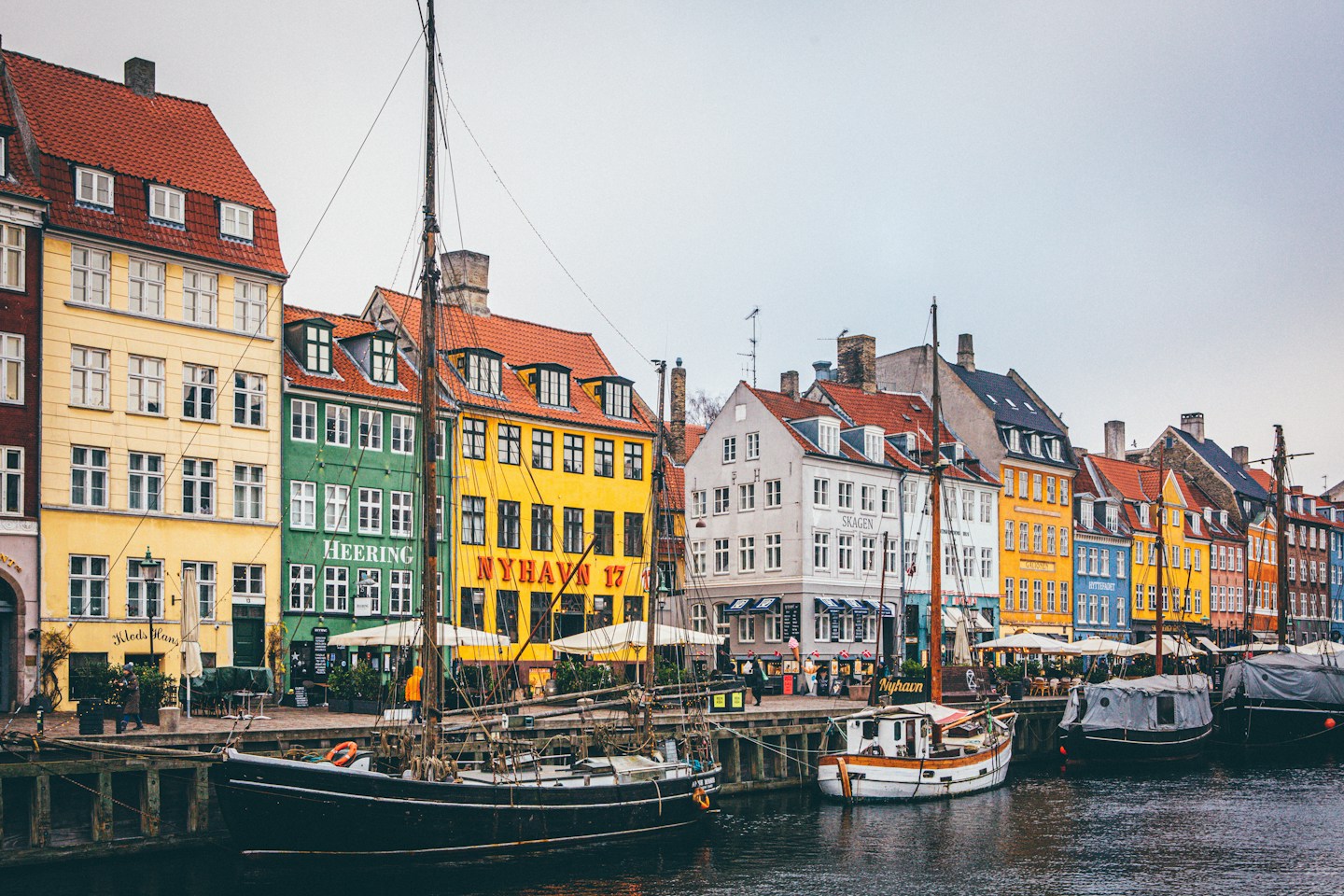
Nyhavn makes a useful starting point because the relationship between water, façades and public space is immediately visible. Take time to look along the harbor rather than stopping only where photographs gather. Notice how a working urban setting accommodates movement, restaurant activity and sightseeing at the same time. The view is compact enough to appreciate without assigning it the whole afternoon. Its main practical value is helping you settle into the city's waterfront geography.
Stand where you can look comfortably without narrowing a busy passage. A group arranging photographs can occupy far more space than it realizes, especially near crossing points. If you want a longer pause, choose somewhere intended for sitting rather than remaining in the traffic of pedestrians. Looking carefully from a slightly less obvious position often reveals more of the setting than standing at the most popular camera angle.
From here, decide which part of the city the day actually belongs to. Continuing beside the water can make sense, but it should be a chosen walk rather than the result of following every appealing turn. Check where you will eat, where the next indoor option lies and how to return. Those simple anchors let the route remain relaxed without making it indefinite, particularly if wind begins to make the exposed sections feel less inviting.
Christianshavn and a more intimate waterfront
Christianshavn offers a different scale of water and streets. Canals narrow the view, bridges divide the walk into manageable sections, and residential buildings remind visitors that the city continues beyond its recognizable façades. Walk slowly enough to notice moored boats and street details without treating every doorway as an attraction. Public routes provide plenty of interest; private courtyards and residential entrances should remain private even when their architecture is appealing.
A canal-side outing works especially well with one purposeful stop, perhaps a meal or cultural visit chosen according to current access. Leave room for an ordinary street away from the busiest stretch. This is how a neighborhood begins to feel distinct: through the transition from waterside activity to quieter blocks, rather than through a series of marked sights. The aim is to understand the setting at walking speed, not complete an inventory of everything within its boundary.
Bridges can create more walking than a map initially suggests. If a destination is opposite you across the water, the nearest legal crossing may dictate a considerable detour. Examine that detail before committing to a reservation. This matters especially when members of the group tire at different rates. Knowing a nearby transport alternative allows everyone to enjoy the canals without making the return dependent on finishing a longer loop than expected.
Learn the movement before borrowing a bicycle
Copenhagen's cycling infrastructure is a major part of its daily life, and it has its own rhythm and rules. Pedestrians should pay attention before crossing cycle tracks and avoid standing in them while consulting directions. An apparently empty strip may carry riders approaching faster than someone on foot expects. Treating cycle space as a convenient overflow pavement makes movement harder for everyone and can turn a moment of inattention into a collision.
Renting a bicycle can suit travelers who already feel comfortable signaling, navigating and maintaining a steady line among other riders. It is not automatically the best choice for every visitor. If you are uncertain, begin with walking and public transport while observing how junctions work. There is no loss of authenticity in choosing the mode that lets you move confidently. A stressful ride reveals less of the city than a comfortable journey by another means.
For a short stay, a useful metro connection near the accommodation can simplify plans more effectively than an address beside every attraction. Examine the walk between station and room, including luggage access. Good connections give you the option of returning after an exposed harbor walk before going out again. They also make an inland neighborhood visit easier to keep separate from a day that already includes substantial waterfront walking.
Turn toward Nørrebro for another city story
Nørrebro adds a neighborhood perspective to a weekend otherwise shaped by central water views. Give it enough time for a proper walk and meal instead of treating it as a quick excursion between landmarks. The interest lies in streets used for shopping, meeting and everyday travel. Follow a modest route with a few flexible stopping points, and let the character of the area emerge from the businesses and public spaces you encounter.
Avoid approaching a neighborhood solely as a list of fashionable addresses. A café or independent shop can make a useful pause, but the spaces between them explain how the place functions. Notice where people sit, how bicycles are stored and how shopfronts meet the pavement. Those details connect the city's design reputation to ordinary life more directly than a succession of carefully composed interiors visited only for photographs.
Plan the return before dinner if the day has already been long. A neighborhood evening can be satisfying without becoming an expedition across multiple districts. Agree whether the meal is the final activity or the beginning of another outing. That small decision prevents a common problem on short trips: everyone keeps adding one more destination because no one has named a comfortable ending. Copenhagen gives you plenty of reasons to return on another day.
Design belongs inside the itinerary
An indoor design collection can explain objects that otherwise pass unnoticed: furniture, lighting, domestic tools and the organization of everyday spaces. Choose one collection based on its actual subject rather than assuming that every institution tells the same story. Check current exhibitions and visitor arrangements directly. A focused visit with time to read and compare is more rewarding than rushing through several collections simply because design feels like a compulsory Copenhagen interest.
Connect what you see indoors to the rest of the day. After looking at chairs or lighting, you may notice the arrangement of a bakery, the relationship between a bench and a view or the way a café manages a small footprint. This need not become an academic exercise. The point is to give the city's visual pleasures a language and a practical context, so the museum and streets enrich each other.
A collection also provides a useful weather anchor. Place it where it can absorb a windy or wet period, then keep the following walk adjustable. Do not assume that an indoor visit requires the same amount of time from everyone. A clear meeting point or a nearby place to rest lets different interests coexist. The best plan supports attention, and attention usually diminishes when a visitor is moving merely to keep pace with the group.
Bakery mornings and harbor afternoons
A bakery breakfast can give the morning a simple structure before cultural visits begin. Choose somewhere near the accommodation or the day's route and allow time to sit when seating is available. Queuing across town for a particular pastry can consume the same period you hoped to spend exploring. A pleasant ordinary breakfast may contribute more to the day than a celebrated one that starts with a complicated journey.
Leave one afternoon without a reservation if possible. That space allows a harbor walk to grow when conditions are pleasant or shorten when the wind changes. It also gives room for a longer lunch, an unexpected exhibition or an early return to rest. Flexibility becomes meaningful when it occupies real time in the itinerary rather than existing only as an intention squeezed between fixed appointments.
The harbor contains infrastructure and active movement as well as leisure spaces. Keep clear of operational areas and follow local signage. If swimming interests you, use designated places and current local guidance; attractive water alone does not establish suitable access or conditions. A waterside pause can be equally rewarding from dry land. There is no requirement to turn a view into an activity in order to have experienced it fully.
Let the season shape the weekend
Wind and available daylight can change the balance of a Copenhagen visit. An itinerary imagined through long summer evenings needs reconsideration in winter, when exposed walks may feel more demanding and darkness arrives earlier. Put the outing that matters most into a comfortable daylight period, and let indoor collections and meals structure the rest. Seasonal adjustment produces a coherent trip rather than a shortened imitation of another time of year.
Use the official Copenhagen visitor resources to explore district information, then confirm transport and institution details through their operators. A weekend can remain simple: central harbor orientation, canals, one inland neighborhood and a chosen collection. Each adds a different scale of experience. Together they reveal a city where water and design are part of ordinary routines, provided the visitor leaves enough time to notice those routines unfolding.
For current destination information, access guidance and local updates, visit the official Copenhagen travel resource. Check transport and attraction details directly before booking.
This is a general planning guide, not a live conditions report. Found something that needs updating? Send a correction.