Along the Douro by train, with time to stop
The Douro makes a rewarding rail-centered outing when the river journey is given its own time. Separate the pleasure of the train from any expectation of visiting several distant estates in one day.
Inside this story
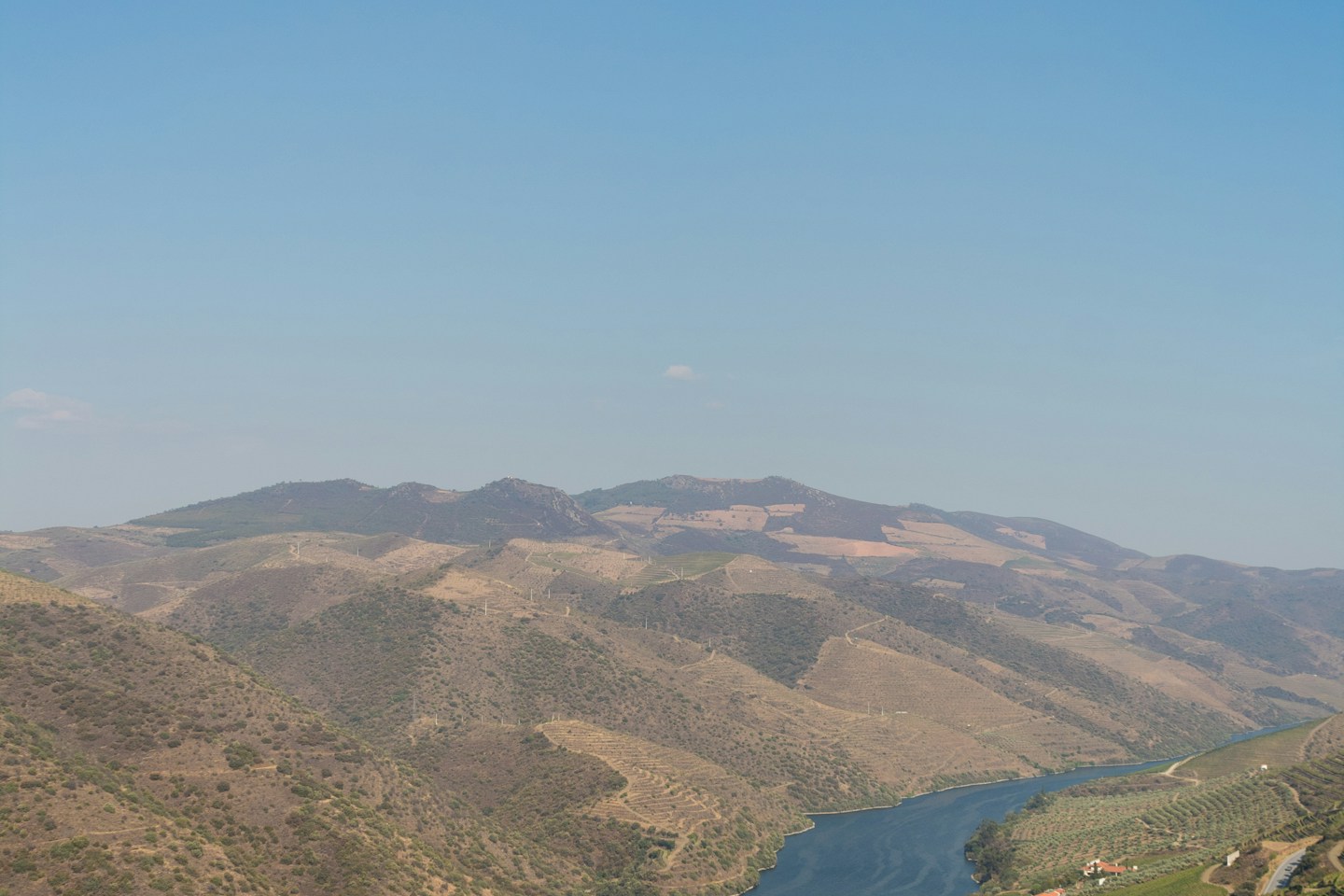
The Douro railway offers a particular kind of access to a large and demanding landscape. A train can follow the river corridor while terraced slopes rise away on either side, giving a continuous view that would be difficult to reproduce through a succession of roadside stops. Yet the ease of looking from a carriage should not be mistaken for easy access to every estate on the hills. The river journey and a vineyard visit are different projects.
Decide which project matters most before choosing departures. A day centered on the train, a riverside walk and lunch can be complete in itself. A booked estate visit needs confirmed transport beyond the station. An overnight stay can add a quiet morning and remove some of the pressure of the return. The valley rewards these modest distinctions because they allow time for the landscape instead of making every visible place an obligation.
- Porto is a practical starting point for travel into the Douro corridor.
- Estates may lie far from stations and need arranged transfers.
- An overnight stay can give the valley a quieter morning beyond a day-trip schedule.
Begin with the actual Porto departure
Porto is a practical starting point, but confirm the station and service for the intended date. City accommodation, urban transport and the main rail departure are separate pieces of the morning. Check the operator's current timetable and service notices before booking any activity farther into the valley. An appealing route description cannot establish whether the train you need runs at the hour you imagined or whether works affect the journey.
Keep the first transfer simple. Pack a manageable bag, obtain food or water if the timing makes that useful and allow room to find the platform without haste. If returning to the same Porto base, ask about leaving the larger suitcase there during a valley overnight, subject to the accommodation's actual arrangements. Carrying less can make a riverside stop much easier. The point of the railway is partly the freedom to watch the route unfold; a departure spent resolving avoidable baggage and ticket questions diminishes that advantage.
The river view is a continuous experience
The interest of the line is not confined to one photographic bend. Watch how the relationship between water, railway, settlements and slopes changes over the journey. A short tunnel or an obstructed view does not interrupt the value of the whole day; it is part of moving through real terrain. Keep the camera secondary enough that looking does not become a task performed only through a screen.
Terraces should prompt questions as well as admiration. Their geometry makes human work visible across steep ground, and the railway offers a way to notice the scale of that transformation. Avoid supplying detailed agricultural or historical explanations from guesswork. If those subjects interest you, choose an interpretation visit or reliable account that distinguishes particular places and practices. The view becomes richer when it is connected to specific knowledge, but it does not need an invented story to justify attention.
Régua and Pinhão are different stop decisions
Both names appear in Douro travel plans, but they should not be treated as interchangeable exits from the same scenic train. Look at what you want to do at the stop, how far it lies from the station and how the onward or return service fits. A short riverside break, a museum-oriented visit and an estate transfer lead to different decisions. Choose the stop that serves the purpose rather than trying to include both merely because they are familiar names.
Station surroundings deserve the same practical attention as the train. Confirm where luggage could be kept if needed, whether a chosen restaurant is realistically reachable and how much walking the group wants after the ride. A stopover works when these ordinary details align. If they do not, continuing to an overnight base may be more enjoyable than dividing the day into fragments that each require another round of navigation, bag carrying and waiting for a service.
A hillside estate is not necessarily a station walk
An estate associated with a riverside town may lie well above it or farther along a road than the shared place name suggests. Before reserving a visit, ask about the precise arrival point and the recommended transfer from the station. Confirm both directions. A taxi outward does not establish that another will be readily available at the end, and an operator's general description of being near a town may not answer the question for a traveler on foot.
Walking should be assessed as a route, not a distance alone. Gradient, road width, shade and traffic can make a seemingly modest approach unsuitable. Avoid assuming that a path through vineyards is public because it appears on a map or provides a direct line. If the visit is important, arrange transport through a reliable channel and leave enough margin around the booking. This preserves the pleasure of arriving rather than turning the approach into the most demanding part of the experience.
Tastings need context and a return plan
A wine visit is most informative when the host explains the particular site, production and wines on offer. Ask what the booking includes, whether the visit is guided and how long it normally takes. A cellar tour, a seated tasting and an outdoor vineyard walk are distinct activities. Check language and accessibility where these affect the experience. The fact that a visit takes place in the Douro does not establish a single standard format.
Plan food, water and the return before the tasting begins. Anyone driving should make a responsible decision about participation, and nobody should feel obliged to finish every sample. Visitors who do not drink can ask whether the explanation and setting still suit their interests. Keep purchasing separate from enjoyment of the visit: understand bottle transport, storage and relevant import rules before acquiring a quantity that becomes a problem for the remainder of the trip. A thoughtful tasting can remain complete without a large purchase.
Heat changes the value of an afternoon walk
Exposed slopes can feel very different from the sheltered interior of a train. In hot conditions, a long afternoon walk should not be added casually because the morning involved sitting down. Assess shade, water and the route back, and follow local advice about conditions. A short riverside outing and a seated pause may offer a better experience than a climb pursued mainly to earn a wider view.
Timing can help without solving every issue. An early or later walk may be more appealing, but it must still fit transport and remaining daylight. If staying overnight, ask the accommodation about suitable public routes nearby rather than improvising through agricultural access roads. The valley can be appreciated at several scales: the changing panorama from the train, the settlement at walking speed and the detail of a properly arranged estate visit. There is no need to make all three physically demanding.
Lunch is part of the rail timetable
With less frequent departures, food plans can materially affect the day. Identify whether a meal belongs before a stop, during a long interval or after reaching the overnight base. Check a chosen restaurant's current service arrangements rather than assuming a convenient kitchen will be available whenever the train arrives. Carry something suitable for a delay if needed. Hunger can turn an otherwise pleasant waiting period into pressure to abandon the intended plan.
A relaxed lunch is particularly compatible with a train-centered visit when it sits near the return station. Leave time to pay, walk back and find the correct departure without cutting the meal short. If an estate visit includes food, understand whether that means a substantial meal or a small accompaniment to tasting. Clear expectations prevent the day from depending on an assumption. The ideal lunch supports the landscape experience, giving both appetite and impressions time to settle before the next journey.
A boat trip adds another timetable
A river outing can offer a different perspective, but it is not automatically an extension of the railway ticket or schedule. Check the actual embarkation point, duration, operator and conditions of cancellation. Allow a realistic margin between train arrival and boarding, and between disembarkation and the return service. A picturesque combination on paper can become rushed if it relies on two independent services meeting at their theoretical minimum.
Consider whether the boat adds something you particularly want. A shorter rail day with a longer stop can already provide variety, while an overnight stay may make a boat trip easier to enjoy. More modes of transport do not necessarily create a richer encounter with the valley. If weather or operational conditions prevent the outing, retain the train journey's independent value rather than treating the entire day as lost. The river remains central to the experience even when it is viewed from shore.
An overnight stay changes the valley's tempo
Staying beyond the day-trip window can create room for an ordinary evening and a morning walk before the next departure. Choose accommodation by its real relationship to the station and food options, not only by its view. A secluded property may be appealing but can require arranged transport for every meal or excursion. Ask how arrival works with luggage and what happens if the incoming train is delayed.
Keep the next day proportionate. The advantage of an overnight stay disappears if it becomes the excuse for an early transfer, a distant estate and a rushed return all before lunch. Allow the settlement and river to have time without an appointment. A visit built this way can leave distinct memories: the changing banks through the carriage window, the slope understood through a guide and the quieter waterfront after other travelers have departed. Those relationships give the Douro more substance than a sequence of scenic stops.
A few practical questions
Is an estate visit essential to a Douro rail outing?
No. The train journey, a suitable stop and an unhurried meal can form a rewarding day. Add an estate when its subject interests you and the transfer is confirmed, rather than because every valley itinerary appears to include one.
Should the return train be checked before leaving Porto?
Yes. Confirm the exact date, service and station, and leave enough time around meals or booked activities. Keep current operator information available so that a revised plan can be based on real departures rather than a remembered timetable.
For current destination information, access guidance and local updates, visit the official Douro Valley travel resource. Check transport and attraction details directly before booking.
This is a general planning guide, not a live conditions report. Found something that needs updating? Send a correction.