Setouchi by ferry: a smaller island itinerary
Japan’s Inland Sea rewards a modest island plan. Choose one or two destinations, align ferries with museum opening days, and leave enough margin to enjoy ports as places rather than transfer points.
Inside this story
The Seto Inland Sea encourages an itinerary that looks simple from above: a few islands, short stretches of water and cultural sites marked neatly on a map. On the ground, ferries, museum calendars, local buses and hills give that map a different meaning. A modest island plan usually offers more freedom than an ambitious sequence of crossings. Choose one or two places and allow their ports, villages and shorelines to become part of the visit.
Naoshima and Teshima are useful examples of why fewer destinations can create a richer experience. Art may be the initial reason to travel, but the institutions sit within inhabited island landscapes. An exhibition, the walk to a port and a quiet meal should be able to coexist without every minute being counted against a final boat. Begin with the calendar and the return connection; then decide how much art the day can comfortably hold.
- The Seto Inland Sea includes many islands with different transport links.
- Bicycles are useful only when hills, weather and rental rules suit the rider.
- A port café or shoreline pause can be worthwhile without adding another museum reservation.
A region is not a single ferry network
Setouchi refers to a broad Inland Sea setting, not one compact attraction with a universal ticket. Islands have different gateways and links, and the most useful mainland or Shikoku base depends on the destinations chosen. Examine the actual route between ports rather than joining place names with an imagined direct line. A short distance over water may still require a particular service or a change that substantially shapes the day.
Choose the base after deciding which island is central to the visit. Consider the route from accommodation to the departure pier, the return from that pier in the evening and the possibility of storing larger luggage. A convenient railway station does not automatically mean a convenient ferry approach. The whole chain matters. Once a workable base exists, resist adding a distant island merely because the regional map makes it appear nearby. A smaller geographic scope leaves more attention available for the places already selected.
The museum calendar belongs beside the ferry timetable
Check the opening calendar for every cultural site that is essential to the trip. Closure patterns and special arrangements can change the value of an island day, and a museum's schedule should not be inferred from that of another institution nearby. Dates, ticket arrangements and any timed entry need to fit the actual ferry options. A route that works well on one day may be awkward on another even though the map is identical.
Official access guidance is particularly valuable because transport can interact with closures. Benesse Art Site Naoshima notes that some services alter island calls when particular museums are closed. Do not generalize that into a rule for all ferries; use it as a reason to check the exact sailing and date. Keep the confirmed information available offline. Once those fixed pieces are clear, leave the remaining time less tightly specified so that the visit can include observation and rest rather than only movement between reservations.
Naoshima deserves a selection rather than a sweep
Naoshima's cultural sites should be chosen by interest, location and the physical effort of connecting them. A map filled with art symbols can make every stop feel compulsory, but a full sequence may leave little time inside the places that matter most. Select a few and understand how they relate to ports and local transport. Allow for walking at the site as well as the journey to its entrance.
Different settings ask for different kinds of attention. A museum interior, an architectural space and an outdoor work do not necessarily benefit from the same pace. Read the site's instructions before taking photographs, and accept that some experiences require the camera to remain put away. These limits can improve concentration by making looking the main activity. If a work interests you, stay long enough to test your first impression rather than leaving as soon as a recognizable image has been secured.
Teshima is not an automatic extension of another island
Teshima has its own cultural destinations, settlements and terrain. Adding it to a day elsewhere should depend on the actual ferry sequence and the time needed on the island, not a general assumption that the art islands form one continuous circuit. A dedicated day may allow a much better encounter than a hurried crossing fitted into the interval between two reservations.
Check the port used by the intended service and the onward route to the particular site. An island's name does not guarantee arrival at the most convenient landing. Hills and distances matter after disembarkation, especially in heat or rain. If a local bus, bicycle or other arrangement is needed, confirm its operation and return timing before committing to entry tickets. Transport preparation is most useful when it protects time with the art, rather than forcing the visitor to spend that time worrying about the journey back to the quay.
A bicycle adds freedom only when it suits the rider
Cycling can connect places efficiently, but an island setting does not imply flat roads. Consider hills, weather, traffic confidence and the type of bicycle available. Check brakes, tires and the rental conditions before departure, and understand what assistance is available after a problem. If using an electrically assisted bicycle, ask how it operates and how much reserve is needed for the intended route. Familiarity with ordinary cycling does not establish confidence with every unfamiliar machine.
Keep the return deadline and rental handover in the day's calculations. A bicycle that must be returned before a final ferry can create two linked time pressures. Park only where permitted and do not leave a hired bicycle in a residential entrance or beside an art site without checking. For companions who do not want to ride, look at alternatives before the group arrives. The best transport choice is the one that lets everyone engage with the island rather than turning the slopes into the day's defining challenge.
Ports are working places
A small port can be an excellent place to pause and understand the island's relationship with the water. Watch the sequence of arrival and departure, but remain clear of loading areas and follow crew or terminal instructions. Ferry infrastructure is not simply an attractive foreground. Vehicles, supplies and residents depend on routes that visitors may see only as the way to a museum.
Village streets deserve similar care. Keep voices modest near homes, avoid entering private gardens for a view and ask before close photographs of people. A small café or shop can provide a welcome pause, but do not assume every settlement has services available at every hour. Purchase food when appropriate and carry away waste responsibly. The island's inhabited character is part of what makes the visit meaningful; supporting a business and respecting a threshold are ordinary ways to recognize that it continues beyond the visitor's schedule.
The last boat determines the real afternoon
Work backward from the intended return sailing. Include time to leave the final site, reach the port, return a bicycle if necessary and board according to the operator's requirements. Do not count the entire interval before departure as museum time. The final connection can be consequential where alternative accommodation or transport is limited, so an earlier return option may be the more comfortable choice.
A missed boat should not be the event that reveals the lack of a contingency. Know whom to contact and whether any later service genuinely exists before relying on it. Weather and operational changes require current information, not confidence based on a remembered timetable. This does not mean watching the clock throughout the day. It means designing an afternoon with enough margin that the remaining hours can be enjoyed without repeated anxiety about every delay at a bus stop or entrance.
Small luggage changes the island experience
Large cases make boarding, local transfers and short walks more cumbersome. Where possible, leave the main luggage at a confirmed base or use an appropriate storage arrangement checked in advance. Carry what is needed for the day, including water, weather protection and essential booking information. A saved map helps, but it should include the actual port names and transport stops rather than only art-site pins.
For an island overnight, confirm how the accommodation is reached from the arrival port and what dinner arrangements are available. A quiet setting can be delightful while still requiring practical preparation. Ask about late arrival and weather-related changes, and keep contact details accessible. Staying overnight may offer a different rhythm after day visitors leave, but it should be chosen because the island itself interests you. It need not become a device for adding yet more sites to an already full itinerary.
Make room for looking without an admission slot
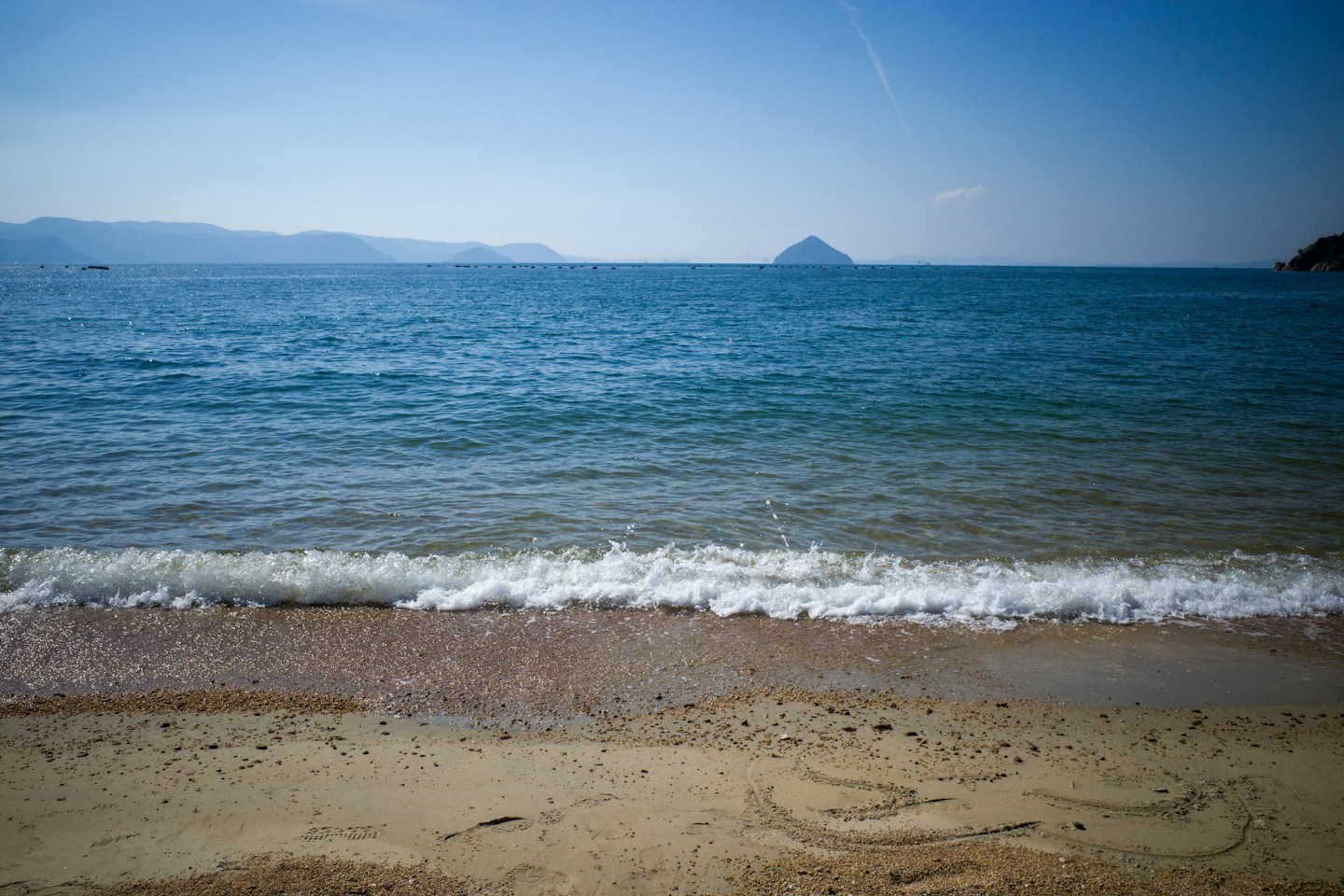
A shoreline pause, a short public village walk or time in a port café can help the cultural visits register. The sea, cultivated ground, buildings and art are encountered together, even when not every view is formally part of an institution. Avoid assigning a grand interpretation to every ordinary object. Let the surrounding place retain its own purposes rather than treating the whole island as a museum extension.
At the end of the trip, a small number of sustained encounters may be easier to remember than a complete list of entrances. An artwork seen patiently, a hill understood through the journey across it and a port that became familiar can connect into a coherent island day. Setouchi rewards the traveler who leaves enough time for those relationships. The ferry timetable provides the frame; the experience inside that frame should have room to be more than a perfectly executed sequence of departures.
A few practical questions
Can Naoshima and Teshima be visited on one day?
Check the actual sailing dates, ports and site bookings before deciding. A combined day may be possible in some circumstances, but separate days can offer more time with the art and reduce pressure around local transport and the final return.
Are museums enough to plan an island visit?
They are only part of the plan. Confirm ferry access, the route between sites, food and the return connection. The island's terrain and inhabited streets matter as much as the distance between museum names on a map.
For current destination information, access guidance and local updates, visit the official Setouchi travel resource. Check transport and attraction details directly before booking.
This is a general planning guide, not a live conditions report. Found something that needs updating? Send a correction.